





Introduction — Where to Stay in Dublin: B&B, Hotel or Hostel — The Ultimate Guide to Choosing
Dublin, Ireland’s lively capital, packs an impressive variety of places to stay into a surprisingly small area: luxury hotels overlooking Georgian parks, cozy bed & breakfasts tucked into Victorian townhouses, and modern hostels designed for budget travelers. Picking where to stay in Dublin is less about a single perfect location and more about balancing budget, travel pace, desire for local immersion, and tolerance for noise (pubs usually stay open late on weekends). This complete guide walks you through the pros and cons of each accommodation type (B&B, hotel, hostel), gives sample addresses and approximate prices in euros, lists practical timings (check-in/out, reception hours) and shares local tips to help you make the most of your stay.
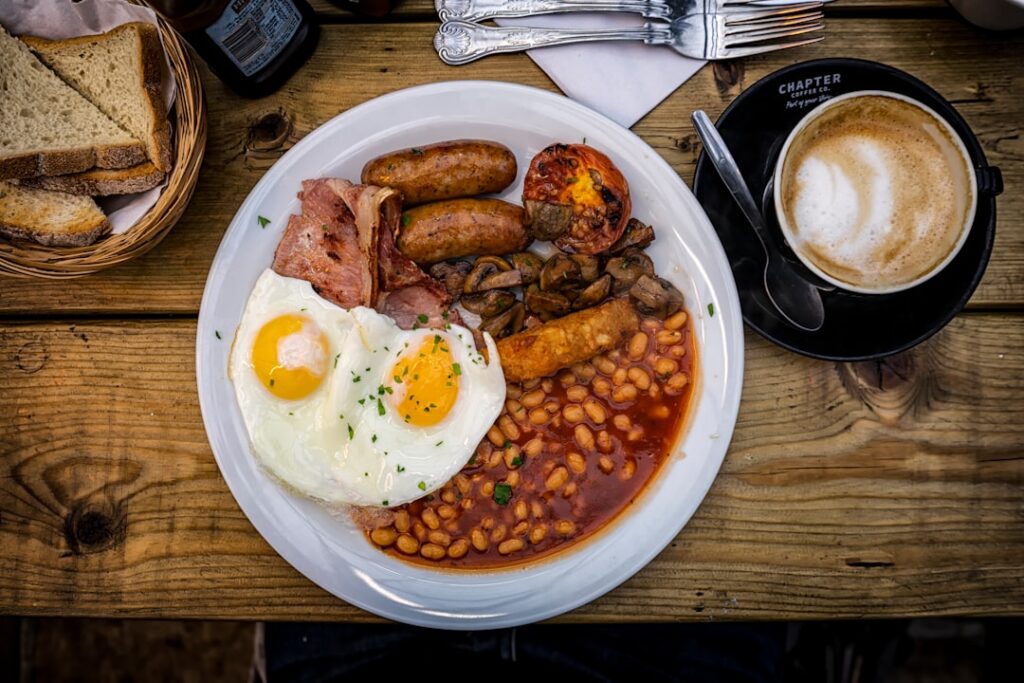
Dublin B&Bs are often family-run or hosted by independent owners. They offer a personal welcome, individually decorated rooms and, importantly, a traditional Irish breakfast (eggs, bacon, sausages, toast, soda bread, strong tea). Expect average double-room rates from about €70 to €150 per night depending on season and centrality. Hotels, from four-star chains to intimate boutique properties, provide standard services (room service, concierge, bar, gym). Hotel prices vary widely: around €120 per night for decent three-star options up to €400–€600 per night for historic luxury hotels. Finally, hostels are the economical, social choice: dorm beds from €18–€25 per night, and private budget rooms from roughly €55–€90.
This guide is for weekend culture-seekers as much as for business travelers planning a longer stay. You’ll find specific recommendations: exact addresses, indicative rates, reception and breakfast hours, plus practical booking tips (when to book, how to haggle, neighborhood-based alternatives). We’ll also cover key areas — Temple Bar, St Stephen’s Green, Docklands, Smithfield and Rathmines — and explain which accommodation type suits different plans in Dublin. Finally, you’ll get local pointers: avoid rooms on certain noisy streets, ask for a kettle in your room, and how to enjoy a traditional B&B breakfast.
1) Understanding the Differences: B&B, Hotel and Hostel — Pros and Cons
Before you book, think about your priorities: comfort, budget, local experience or social scene. Each option has its own strengths.
- B&B (Bed & Breakfast): These are private homes converted into guest rooms, often located in residential neighborhoods (Rathmines, Ballsbridge, Portobello). Pros: personalized welcome, local tips, breakfast usually included (typically served between 7:30 and 9:30), competitive rates for doubles (≈ €70–€150). Cons: some don’t have 24-hour reception; arrival times may be restricted; comfort can be simpler than in a hotel.
- Hotel: From international chains to boutique properties, hotels offer round-the-clock services: 24-hour reception, daily housekeeping, bars, restaurants and sometimes a spa. Pros: reliable service, dining options, security. Cons: higher cost (€120–€600 per night), and chain hotels can feel impersonal.
- Hostel: Great for backpackers and social travelers, but also for anyone looking for a sociable stay. Dorm beds start around €18–€25 per night, private rooms from €50–€100. Pros: price, friendly atmosphere, organized events and tours. Cons: possible noise, shared bathrooms, and less privacy.
Practical note: most hotels and B&Bs set check-in between 14:00 and 16:00 and check-out around 11:00. If you arrive early, ask if you can leave your bags (often free). Many B&Bs don’t accept late arrivals after 21:00 without prior notice, while larger hotels keep reception open 24/7 (e.g., The Shelbourne Hotel, 24-hour reception, 27 St Stephen’s Green, Dublin 2).
2) Recommended Hotels in Dublin: From Historic Luxury to Boutique Stays
If you want comfort, a central location and full services, here are some iconic hotels with practical info. Prices are indicative and fluctuate with season and availability.
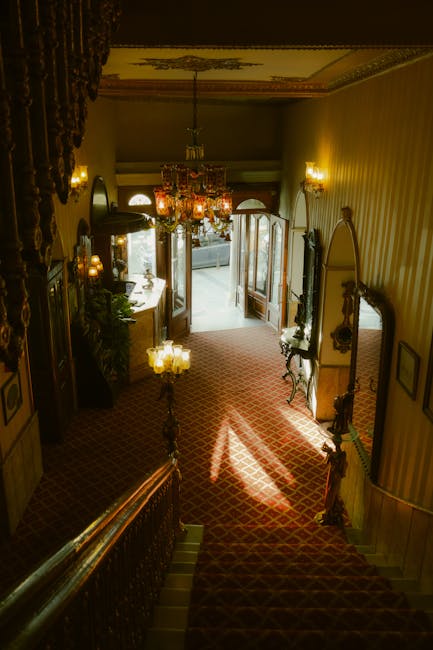
- The Merrion Hotel — 21-23 Merrion Street Upper, Dublin 2. Rates: €350–€650 / night for a standard double. 24-hour reception. Breakfast buffet and a la carte 07:00–10:30. Description: a Georgian luxury hotel close to Merrion Square and the National Gallery of Ireland, elegant décor, cocktail bar and Michelin-starred restaurant. Tip: ask for a room overlooking Merrion Square for a peaceful garden view. Parking: valet service available (extra charge).
- The Shelbourne, a Renaissance Hotel — 27 St Stephen’s Green, Dublin 2. Rates: €300–€550 / night. 24-hour reception. Breakfast 07:00–11:00 (room service available). Description: historic hotel with views over St Stephen’s Green, a spa, sophisticated bars and close to Grafton Street shopping. Tip: perfect for romantic getaways and high-end shopping.
- The Alex (Alex Hotel) — 41-47 Fenian Street, Dublin 2. Rates: €140–€260 / night. 24-hour reception. Continental breakfast 07:00–10:30. Description: modern boutique hotel near Trinity College, youthful vibe with contemporary design and a lively bar. Tip: a good central city option without the price tag of the grand hotels.
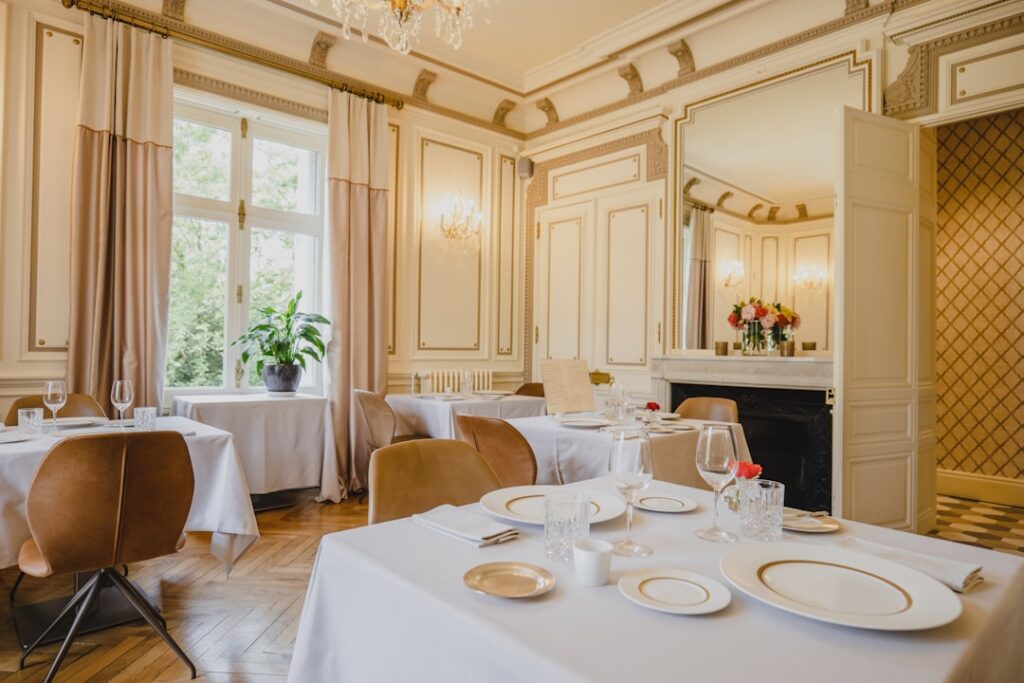
For business travelers: choose hotels with a business center and easy access to the Dublin Convention Centre (Dublin Docklands). The Marker Hotel (Grand Canal Square) — 1 Grand Canal Square, Docklands, Dublin 2 — offers rates of €160–€320 and may provide a corporate shuttle subject to availability. 24-hour reception, breakfast 06:30–10:30 on weekdays.
3) Charming B&Bs: Local Immersion and Irish Breakfasts
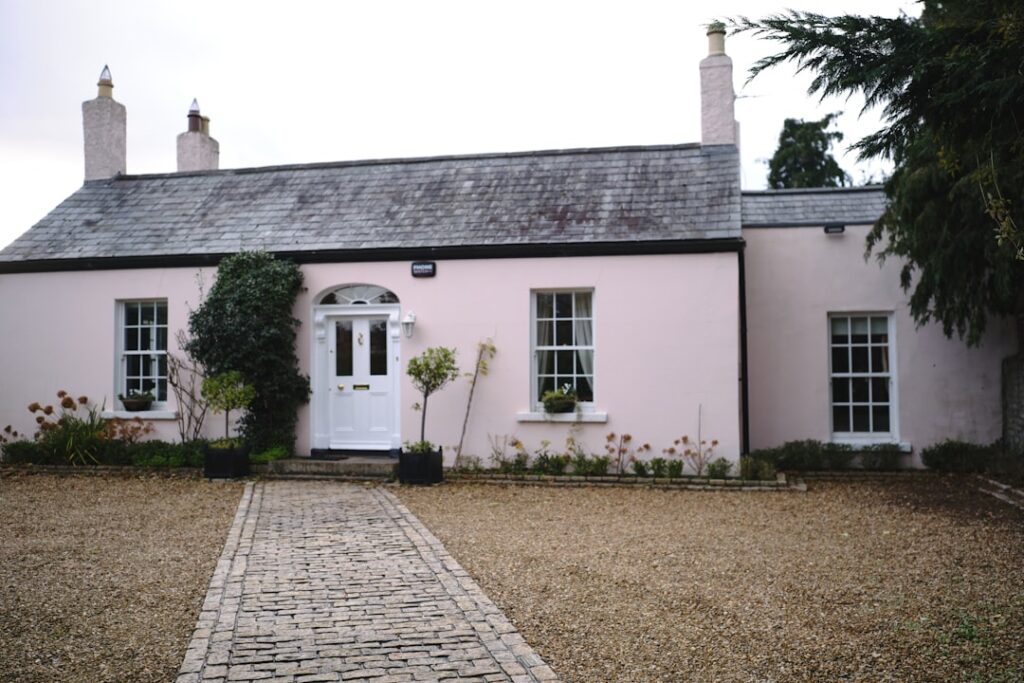
Choosing a B&B in Dublin often means choosing human connection. Hosts will share maps, routes and sometimes family stories. Comfort varies, but most offer a clean room, a good mattress and a full breakfast. Here are recommended B&Bs with addresses, approximate rates and timings:
- Belvedere Lodge Guesthouse — 90 Merrion Road, Ballsbridge, Dublin 4. Rates: €85–€160 / night (double). Check-in: 15:00–20:00 (notify for late arrival). Breakfast served 08:00–09:30. Description: renovated Victorian house, rooms with private bathrooms, quiet neighborhood about a 20-minute walk to the center. Tip: ideal if you want to be near Aviva Stadium and Ballsbridge.
- Clareville Lodge — 2 Clareville Grove, Ballsbridge, Dublin 4. Rates: €90–€150 / night. Check-in 14:00–19:00. Breakfast 08:00–09:30. Description: family atmosphere, private garden, easy access by LUAS tram (St Stephen’s Green two stops away). Tip: great for guests who prefer an upscale residential neighborhood.
- Rathmines House B&B — 41 Belmont Avenue, Rathmines, Dublin 6. Rates: €75–€130 / night. Check-in 15:00–19:00. Breakfast 08:00–10:00. Description: close to independent cafés and The Stella cinema, a lively but less-touristy area. Tip: excellent value for money, convenient for discovering local life away from the crowds.
Tips for booking a B&B:
- Contact the host directly to confirm arrival times and ask for directions if the street is small or hard to find.
- Ask if breakfast can be adapted (vegetarian, gluten-free). Most hosts will accommodate dietary needs.
- Check the cancellation policy: many small B&Bs require full or partial prepayment to secure a booking.
4) Hostels and Budget Options: Where to Stay Cheap Without Missing Out
For budget travelers or those who want to meet others, Dublin has modern hostels with comfortable dorms, lively common spaces and professional services. Here are some reliable options:
- Generator Dublin — Smithfield Square, Dublin 7. Exact address: 13-17 Prussia Street (entrance on Smithfield Square). Rates: dorms €20–€35 / night, private rooms €70–€120 / night. Reception: 24/7. Facilities: bar, café, coworking spaces, regular music events. Description: large contemporary hostel with an industrial look and very social vibe. Tip: great for young travelers and groups, close to Hugh Lane Gallery and the Smithfield market.
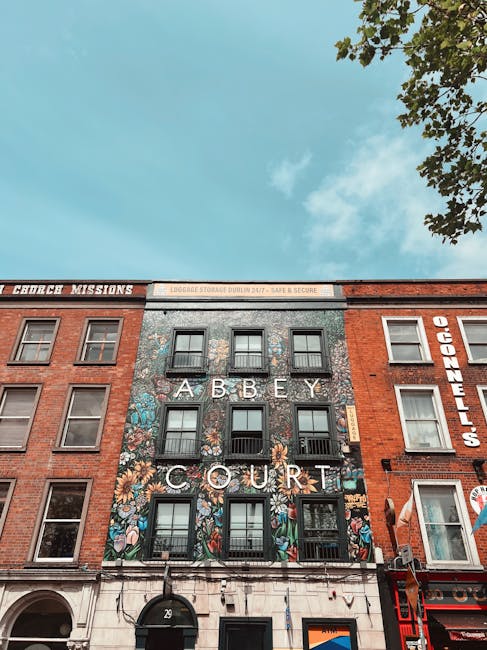
- Abbey Court Hostel — 8-12 Bachelors Walk, Dublin 1. Rates: dorms €18–€30 / night, private rooms €60–€110 / night. 24-hour reception. Facilities: ground-floor bar-restaurant (The Church Café and Bar), spacious common areas, breakfast 07:30–10:00 (supplement). Description: central spot on the River Liffey, a 5–10 minute walk to Temple Bar and Trinity College. Tip: request a courtyard-facing room if you’re noise-sensitive.
- Jacobs Inn Hostel — 21-28 Talbot Street, Dublin 1. Rates: dorms €22–€40 / night, double rooms €90–€140 / night. 24-hour reception. Facilities: rooftop terrace, on-site bar, airport shuttle for an extra fee. Description: modern design, handy for the north side and near Connolly Station. Tip: the rooftop is great for summer evenings, but street-facing rooms can be noisy at night.

Practical hostel tips:
- Book early in high season (May–Sept and during festivals like St. Patrick’s Day). The cheapest dorm beds go quickly.
- Check if luggage storage is free and whether lockers are provided (bring a small padlock or buy one on site).
- If you’re traveling as a couple, booking a private room in a hostel can be a good price/comfort compromise.
5) Neighborhoods and Local Tips: Where to Stay Based on Your Priorities
Your choice of neighborhood shapes your experience. Here’s a neighborhood-by-neighborhood breakdown with recommended types of accommodation.
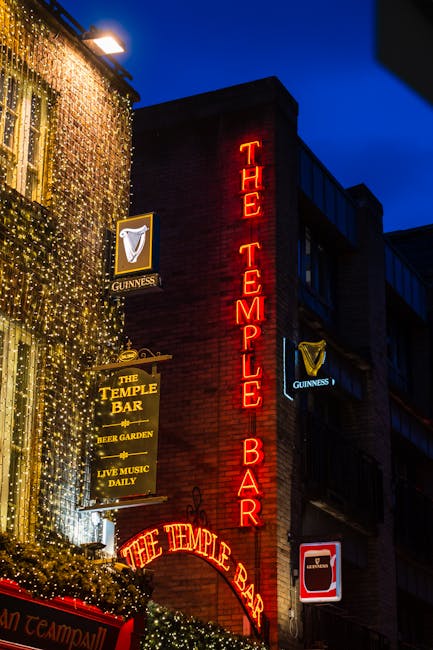
- Temple Bar — The tourist hub (pubs, live music, restaurants). Pro: close to sights and nightlife. Con: noisy at night. Best for: hotels if you want comfort despite the noise (The Morgan Hotel, Temple Bar). Hotel rates are generally higher due to the location.
- St Stephen’s Green / Grafton Street — An upscale area, great for shopping and museums. Best for: boutique hotels and high-end B&Bs (The Shelbourne, The Merrion nearby). Quieter at night, with excellent LUAS and bus links.
- Docklands / Grand Canal — A modern neighborhood with many business hotels (The Marker Hotel). Ideal for business travelers and those wanting to be near the Dublin Convention Centre. Good tram and bus connections.
- Smithfield — An up-and-coming area with solid hostels and trendy bars (Generator, Teeling Whiskey Distillery). Best for: hostels and mid-range B&Bs, youthful atmosphere.
- Rathmines / Ballsbridge / Portobello — Residential areas with local cafés and picturesque B&Bs. Best for: a quiet stay, local immersion, and easy access to the center by tram or bus.
Additional local tips:
- Ask for a room at the back in touristy areas (Temple Bar, O’Connell Street) to avoid street noise at night.
- If you arrive late from the airport (Dublin Airport, about 10 km north of the center), choose a hotel with 24-hour reception or notify your B&B in advance — many hosts can arrange a late check-in.
- Check parking policies if you have a car: city-center spaces are limited and paid. Many hotels offer valet parking for a fee (€25–€40 / day) or nearby paid parking.
- Book early for festival weekends (TradFest, St. Patrick’s Day): prices often double and availability runs out fast.
Conclusion — Making the Right Choice for Where to Stay in Dublin
Choosing where to stay in Dublin comes down to the kind of experience you want. If you value luxury, convenience and consistent service, a central hotel like The Merrion (21-23 Merrion St Upper) or The Shelbourne (27 St Stephen’s Green) can justify the price with location, comfort and 24-hour services. For a warm local welcome and homemade breakfasts, B&Bs such as Clareville Lodge (2 Clareville Grove) or Belvedere Lodge (90 Merrion Road) often offer excellent value — just be mindful of arrival times. If your budget is tight or you want to meet other travelers, modern hostels — Generator Dublin (Smithfield Square), Abbey Court Hostel (8-12 Bachelors Walk), Jacobs Inn (21-28 Talbot Street) — provide economical options with handy services like 24-hour reception and sociable common areas.
Golden rules to remember: book early for high season and major events, always confirm check-in times for a B&B, and request a courtyard-facing room if quiet is essential. Budget-wise, expect roughly €20–€40 for a dorm bed, €70–€160 for a B&B, €120–€350 for a 3–4 star hotel and €300+ for a luxury palace. Let location guide you: Temple Bar for nightlife, St Stephen’s Green for upscale shopping, Docklands for business stays, and Rathmines/Portobello for residential immersion. With these details — addresses, indicative prices, opening hours and local tips — you’ll be able to pick the Dublin accommodation that best fits your cultural, romantic or business trip.