





Introduction: Planning the Perfect Day in Dublin Using the Luas, Bus and Bike
Spending a day in Dublin using the Luas (the modern tram), Dublin Bus (the city buses) and DublinBikes (the bike-share) is one of the smartest ways to see the most without wasting time. This multimodal approach balances comfort, speed and local immersion: the Luas for fast cross-town links between north and south, the bus to reach areas the tram doesn’t serve well, and the bike to explore parks, quays and narrow shopping streets at your own pace. This detailed guide lays out a sample itinerary, exact addresses, typical opening hours, indicative prices in euros and practical tips to make the most of your day.
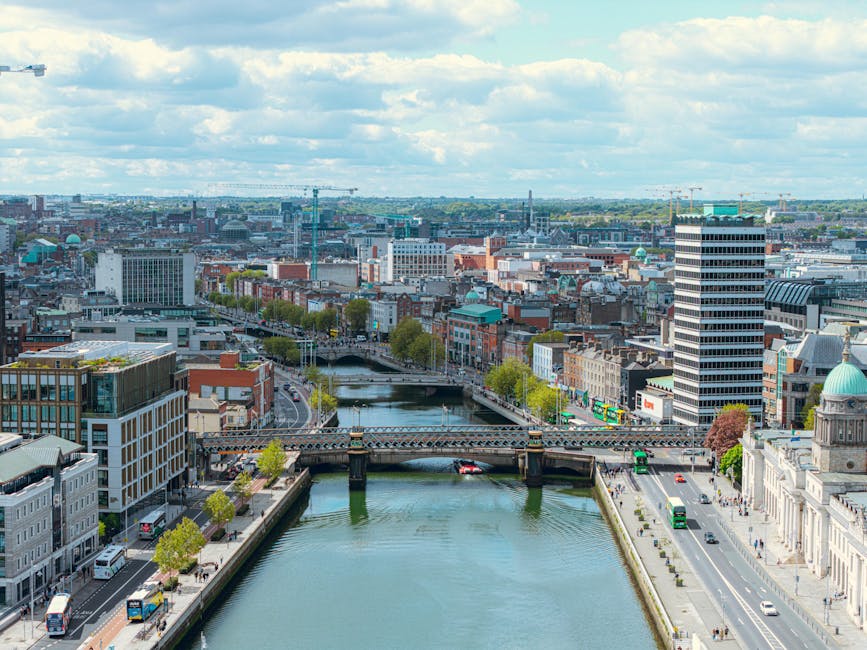
Dublin is compact but packed with highlights: Trinity College Dublin, the Guinness Storehouse, Christ Church Cathedral, Phoenix Park and the Liffey waterfront are all reachable by mixing these three transport modes. The Luas has two main lines: the Green Line (south-central to the south) and the Red Line (east-west, with connections toward the airport). Dublin Bus covers the whole city and gets you to places like Kilmainham Gaol and Phoenix Park from stops the Luas doesn’t serve directly. DublinBikes is perfect for short hops, especially along the Liffey quays, at St. Stephen’s Green or inside Phoenix Park.
In this guide you’ll find: a full-day plan, precise stop and transfer details, exact addresses for major sites, usual opening times to know (museums and attractions), approximate current prices (entry fees and transport costs) and local tips to save time (getting a LEAP Card, best times to avoid crowds, where to pick up or drop off a bike). I also give visual cues for each step so you’ll know exactly what to look for on site.
Note: schedules and prices can change. The amounts shown here are indicative, based on the latest public information and expressed in euros (€). Before you set off, check official sites (Luas.ie, TransportforIreland.ie, DublinBikes.ie, guinness-storehouse.com, tcd.ie, kilmainhamgaolmuseum.ie) for last-minute updates. This guide is designed for a full day at a brisk but comfortable pace — ideal for a first day of sightseeing or a transit day between ferries or flights.
Morning: Start on the Luas and Explore the Historic Core (250+ words)
Kick off your day in the city centre, ideally near the Luas Green Line. If you’re based around Grafton Street or St. Stephen’s Green, head to the St. Stephen’s Green stop (Luas Green Line). The Luas is reliable and helps you avoid surface traffic in the morning. Catch a tram toward Bride’s Glen or Parnell (depending on direction) to get closer to Trinity College and the historic quarter.
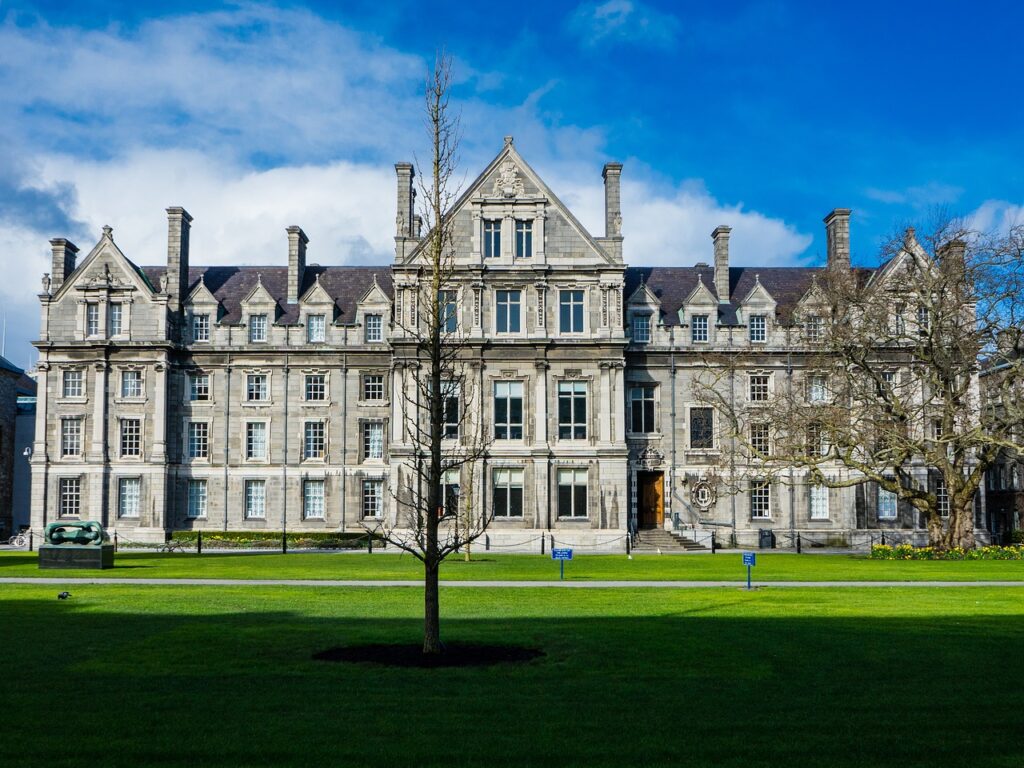
First stop: Trinity College Dublin, College Green, Dublin 2, D02 PN40 — typical Visitor Centre and Book of Kells opening hours: 09:30–17:00 (subject to change). Book of Kells / Old Library entry: from €16 for an adult ticket bought online (indicative). The library and medieval manuscript tour is immersive: marble, aged wood, the Long Room with its statues and shelves stacked with ancient volumes. Allow 45–60 minutes for a full visit.

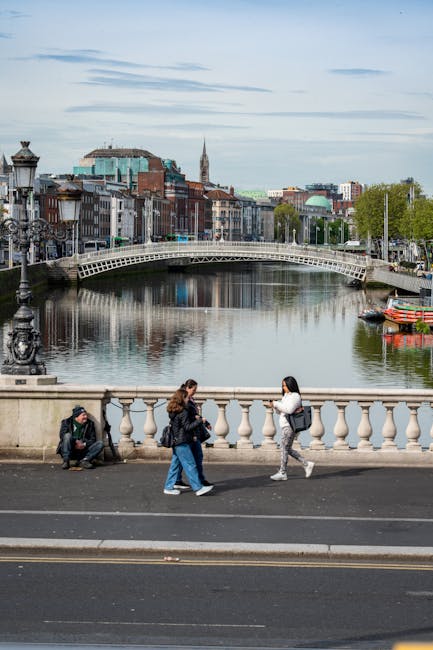
Right next door, stroll down Grafton Street (Grafton Street, Dublin 2) to soak up the street performer scene and window-shopping. For a quick coffee, try Bewley’s Grafton Street Café, 78–79 Grafton Street, Dublin 2 — usually open 08:00–18:00; average coffee price: €3.50–€4.50. After that, walk down to the Ha’penny Bridge (Liffey River crossing near Wellington Quay) to cross the River Liffey and snap those iconic photos.
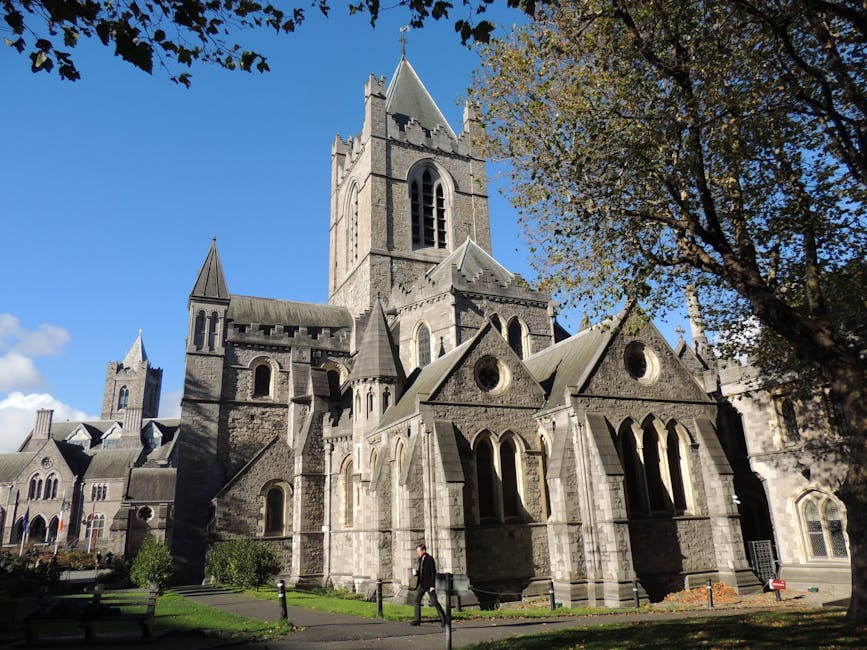
Continue to Dublin Castle (Dame Street, Dublin 2, D02 TD99) — open 09:45–17:45 for guided tours and exhibitions; adult ticket around €8–€10. Nearby you’ll find Christ Church Cathedral (Christchurch Place, Dublin 8, D08 K2A8 — hours 09:30–17:00; entry about €8.50) and the Chester Beatty Library (in the Dublin Castle complex), often free or donation-based. To save time, hop on the Luas if the weather turns sour; otherwise, walking between these sites is delightful and immerses you in Dublin’s medieval history.
Afternoon: DublinBikes and the Guinness Storehouse — a Detailed Route (250+ words)
After a quick lunch in the area (Fishamble Street or Temple Bar for atmosphere), move on to the afternoon portion by switching to DublinBikes to enjoy the quays and parks. DublinBikes has numerous docking stations; the closest to the centre are typically on Westmoreland Street or near the Grand Canal. General company address: DublinBikes, City Centre docking stations — short-term subscription: a « 3-day ticket » roughly €5 and annual membership about €35 (indicative — check https://www.dublinbikes.ie for current rates). The first 30 minutes of most rides are included with subscriptions; additional charges apply after that in time blocks.

Recommended route: hire a bike and cycle along the quays toward St. James’s Gate to visit the Guinness Storehouse, St. James’s Gate, Dublin 8, D08 VF8H — typically open 09:30–19:00 (last admission varies); standard adult ticket around €28–€32 (usually includes a pint at the Gravity Bar). The bike ride from the centre (about 2.5–3 km depending on your start) uses cycle lanes along the quays and crosses residential areas, giving you a glimpse of modern Dublin and local pubs.
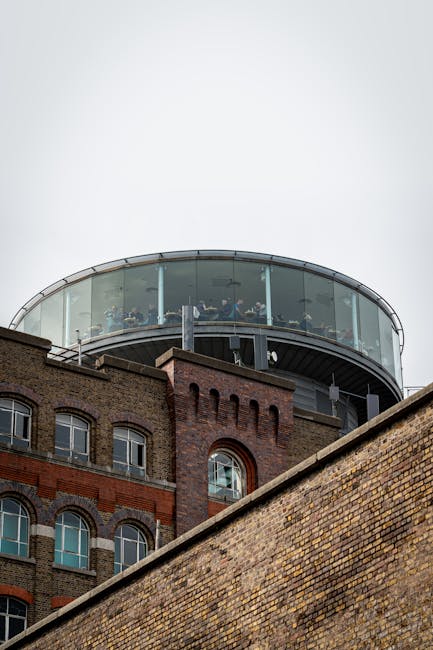
At the Guinness Storehouse, allow 1.5–2 hours for the full experience: immersive exhibits, the brewing process and panoramic views from the Gravity Bar. After the tour, relax in the grounds or hop back on a bike to head south-west to Phoenix Park (Phoenix Park, Dublin 8, D08 C6C0). If you’d rather take a bus from Guinness, routes like the 123 or 13 linking Heuston/James’s Gate to the centre can make the crossing easier.
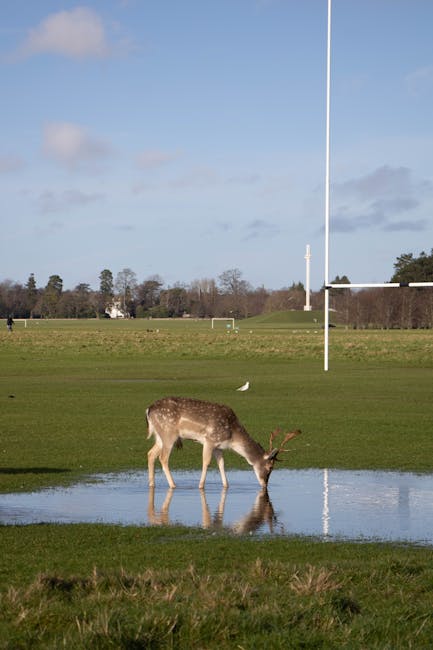
If you want to visit Dublin Zoo (Phoenix Park, Dublin 8, D08 C6C0 — usual hours 09:30–17:30; adult ticket around €20), add another 1.5–2 hours. The bike is excellent for covering Phoenix Park’s wide avenues, but watch for mixed-use paths and respect lawns and pedestrian crossings. Later in the afternoon, return your bike at a DublinBikes station near Heuston Station or around St. Stephen’s Green to continue the evening.
End of Day: Bus to Kilmainham and Return by Luas — Pubs and Nightlife
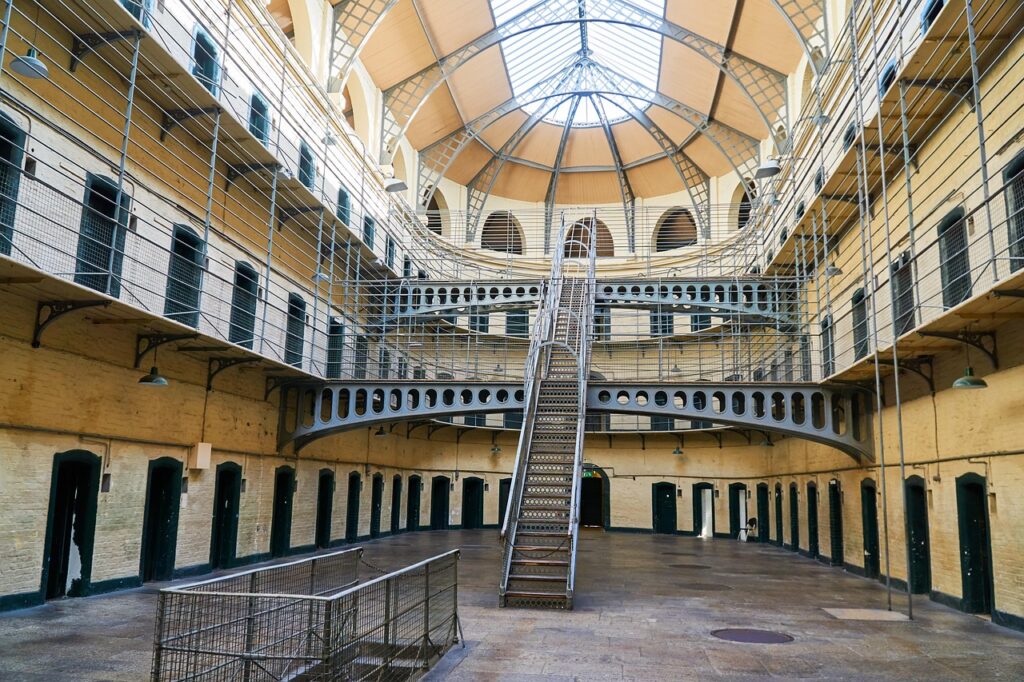
In the late afternoon, make your way to Kilmainham Gaol (Inchicore Road, Kilmainham, Dublin 8, D08 A9XT) for a guided historical tour if the schedule allows. Kilmainham Gaol is generally open 09:00–17:00 (last tours vary by season); booking is recommended; adult ticket roughly €8–€9. The site is reachable by Dublin Bus (lines 13, 40 or 123 depending on origin) from Heuston or the city centre, or by bike from Phoenix Park in 10–15 minutes. Buses are a great option if your legs are tired after a day on two wheels.
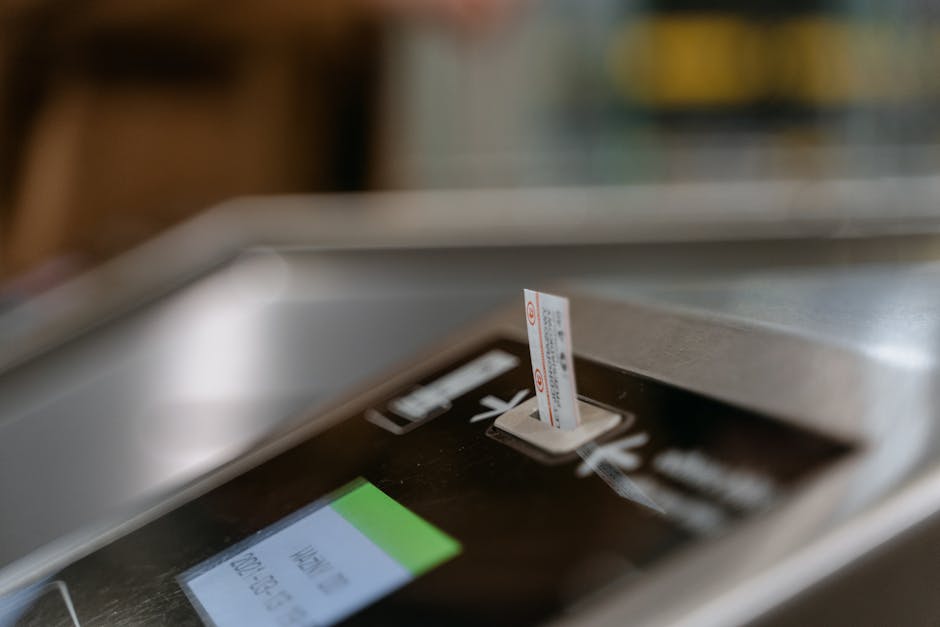
Practical tip: use a LEAP Card (rechargeable public transport card). The LEAP Card significantly reduces Luas and Dublin Bus fares (compared with paying cash) and activates daily caps. A single Luas ride in the city can range from €2.10 to €3.30 in cash depending on distance and zone; with a LEAP Card, single urban trips often cost less and a daily cap applies — check https://www.transportforireland.ie for current caps. For DublinBikes, budget about €5 for a 3-day pass or around €35 for an annual membership; the first half hour is usually included, with extra fees thereafter.
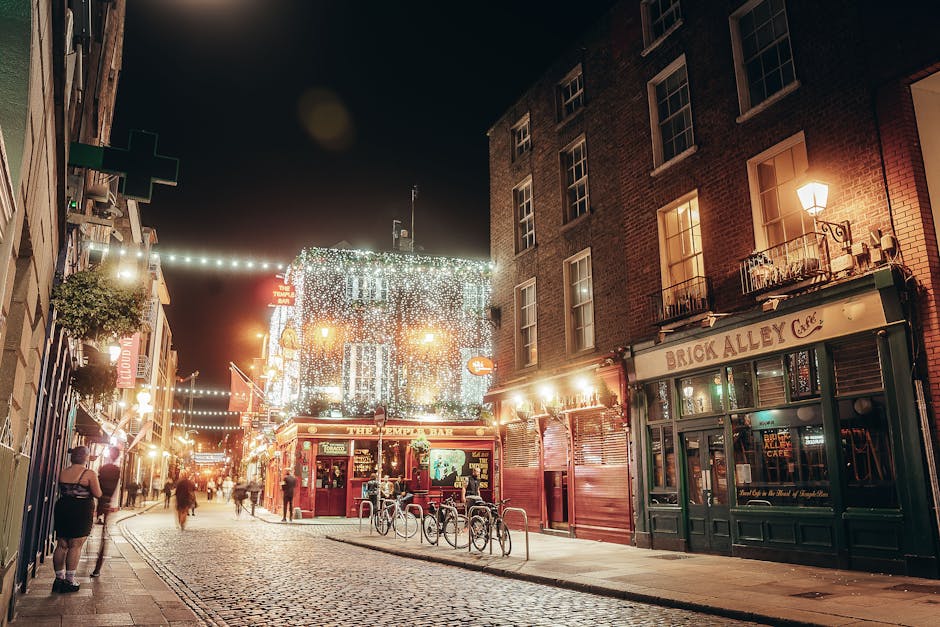
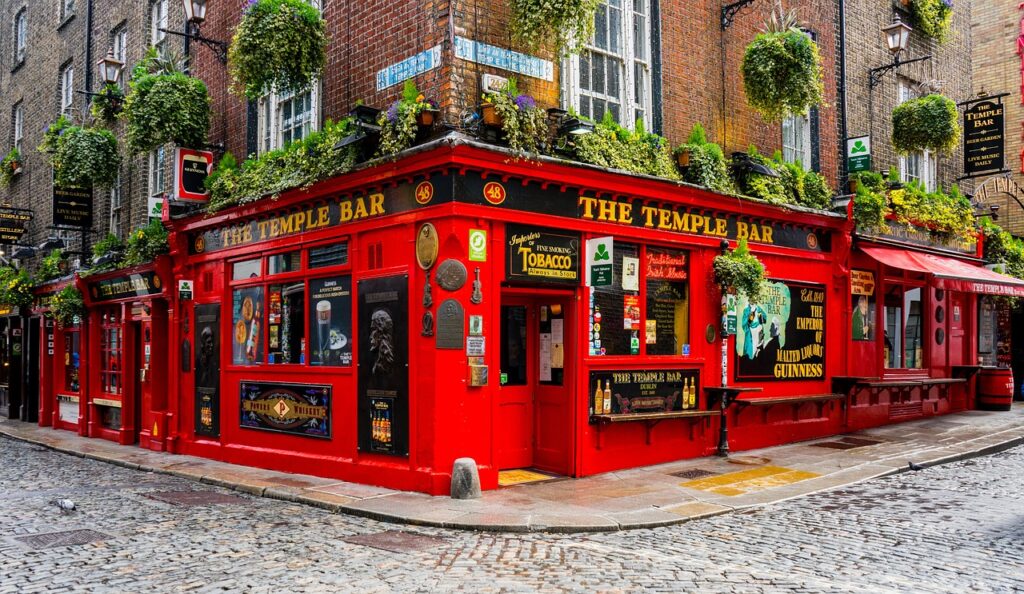
For dinner and the evening, head back to Temple Bar (Temple Bar, Dublin 2) by bus or Luas (connect via Tallaght/Phoenix Park depending on line). Temple Bar is the nightlife hub with pubs like The Temple Bar Pub, 47–48 Temple Bar, Dublin 2 — often open from about 10:00 until late; live music and pints typically €5–€6. If you prefer less touristy vibes, Grafton Street or Harcourt Street have great local spots like The Long Hall, 51–54 South Great George’s Street, Dublin 2 — open 10:00–01:00; food and drinks from around €4.50.
To get back to your accommodation, the Luas Green Line serves most south-side neighbourhoods while the Red Line is handy if you’re near Connolly or north of the river. Luas trams run frequently during the day (every 5–10 minutes at peak times) and less often late at night. Night buses (Nitelink or some late regular services) also cover after-dark routes — check schedules on the Transport for Ireland app.

Local Tips, Ticket Purchases, Safety and Time-Saving Hacks (250+ words)
Buy tickets in advance for major attractions (Book of Kells, Guinness Storehouse, Kilmainham Gaol) — it cuts queue time and secures your preferred slot. For the Luas and Dublin Bus, the LEAP Card is the most cost-effective method: it can be topped up online, at Luas machines and at select retail outlets. A prepaid LEAP Card avoids paying cash or buying multiple single tickets. Keep in mind fares change regularly; as a guide, a single Luas cash fare in the city centre often sits around €2.10–€3.30, a similar Dublin Bus ticket costs about €2.00–€3.30 depending on zone, and the LEAP Card daily cap is usually competitive (check online for the current figure).
Safety: Dublin is generally safe for visitors, but like any big city, watch out for pickpockets in very touristy spots (Temple Bar, Grafton Street, crowded Luas stops). Secure your valuables, use a zipped bag and stick to well-lit stations at night. When cycling, wear a helmet if you can, obey traffic lights, use cycle lanes and signal your turns; give priority to pedestrians on footpaths.
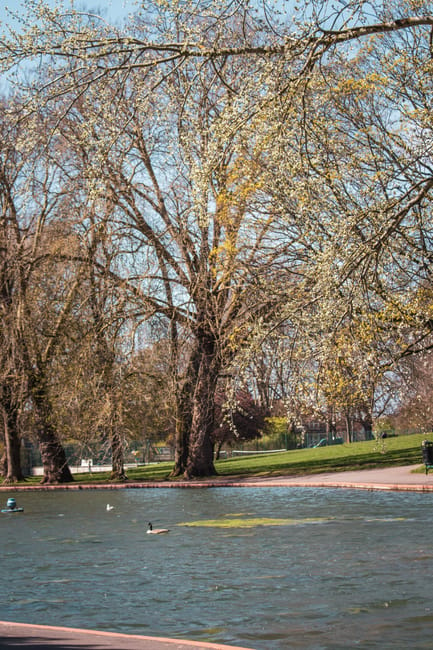
Time optimisation: start early (Trinity College/Book of Kells opens at 09:30) to beat the crowds; book your Guinness Storehouse slot for the afternoon (more flexible times and better Gravity Bar photos). Photographers should use the early light for the Long Room and Ha’penny Bridge. To save money, pick two paid attractions (for example Book of Kells + Guinness) and balance them with free visits: the National Gallery of Ireland, the National Museum of Ireland – Archaeology (Kildare Street, Dublin 2, D02 HF90 — often free) and walks through St. Stephen’s Green and Phoenix Park.
Useful apps: install the Luas app, Transport for Ireland, DublinBikes app and Google Maps or Citymapper to plan real-time connections. These apps show tram frequencies, possible delays and DublinBikes dock availability. Finally, if you have an extra day, consider a trip to Howth (DART train from Connolly or Pearse Station) for coastal cliffs and fresh seafood.
Conclusion: Getting the Most Out of a Multimodal Day in Dublin (200+ words)
Mixing the Luas, bus and bike in one day delivers the most flexible, well-rounded way to see Dublin: the tram’s speed and reliability for north-south crossings, the buses’ reach for spots outside the Luas network, and the bike’s freedom to roam parks, quays and side streets at your own pace. In practice, start on the Luas in the morning for the historic sights (Trinity College, Dublin Castle), spend the afternoon on DublinBikes heading to the Guinness Storehouse and Phoenix Park, and use Dublin Bus for places like Kilmainham Gaol or a comfortable evening return. This combo reduces fatigue, maximises on-site time and gives you a layered view — architectural, historical and local — of Dublin.
Think about a LEAP Card to save on fares, pre-book major attractions (Book of Kells, Guinness Storehouse, Kilmainham Gaol) and plan connections with a transport app. Follow local guidelines (cycling safety, pedestrian flow) and take breaks in green spaces like St. Stephen’s Green or Phoenix Park to recharge. Prices and schedules shown here are indicative: always check official sites before you travel for the latest updates.
By following this sample plan you’ll squeeze the essentials of Dublin into a single day while still getting a real sense of the city: a blend of history, friendliness and modern energy. Safe travels, and sláinte — enjoy your day in Dublin combining the Luas, bus and bike!