





Introduction: How to Tailor Your Dublin Itinerary to Your Accommodation
Dublin is a compact, welcoming city where the type of place you sleep changes how you’ll explore its streets, pubs and museums. Whether you’re bunking in a lively hostel dorm, staying in a four-star downtown hotel, renting an apartment in a residential neighborhood, or splurging on a boutique luxury hotel, your pace, routes and priorities will differ. This guide offers an ideal itinerary for four traveler profiles, with exact addresses, opening hours, indicative prices in euros, immersive descriptions and local tips to help you get the most from each option.
The aim isn’t to push a single “must-see” list on everyone, but to help you optimize your days based on where you’ll rest your head at night. A hostel encourages sticking close to the beating heart of the city — Temple Bar, Grafton Street and walking tours — while an apartment out in Ranelagh or Howth means thinking about DART or bus travel but enjoying authentic local markets and coastal walks. A central four-star hotel lets you maximize walking tours and add a few foodie experiences; a luxury hotel offers comfort and services for recovery, though you’ll still want to plan breaks to enjoy the parks and views.
Each section includes practical advice: how to buy tickets for the Guinness Storehouse or the Kilmainham Gaol tour, approximate prices and opening hours, tips to avoid queues, how to save on transport (Leap Card) and ways to enjoy genuinely local experiences — like bringing a light rain jacket, packing waterproof shoes and booking certain restaurants in advance. Full addresses (number, street, postal code and neighborhood) are provided so you can paste them straight into your GPS or map app. Finally, image placeholders are included at the most photogenic and representative spots to help you plan your photo ops.

Hostel Stay: Social, Short-and-Sweet Itinerary (≤ 3 days)
Dublin hostels attract mostly young, social travelers. If you stay, for example, at Generator Dublin (Smithfield), address: Smithfield Plaza, 29-30 Merchant’s Quay, Dublin 7, D07 E3E9, you’re a 10–20 minute walk from major sights and in the thick of the nightlife. A dorm bed typically costs €20–€40 per night depending on season; 24-hour reception, usual check-in from 15:00. For this type of stay, prefer a short, budget-friendly itinerary focused on meeting people.
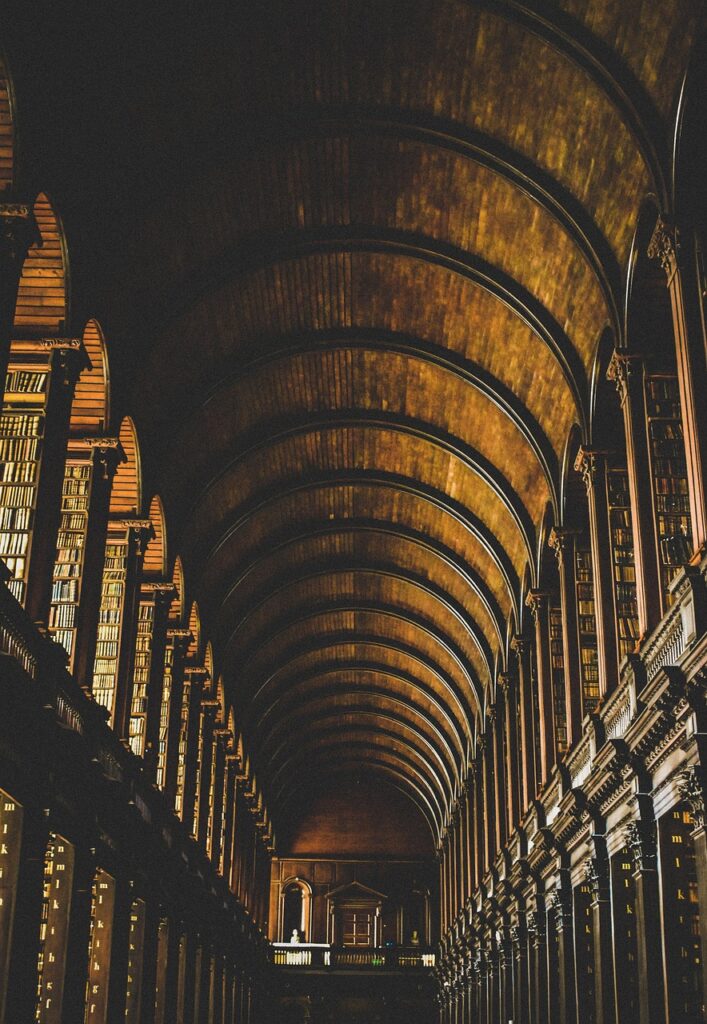
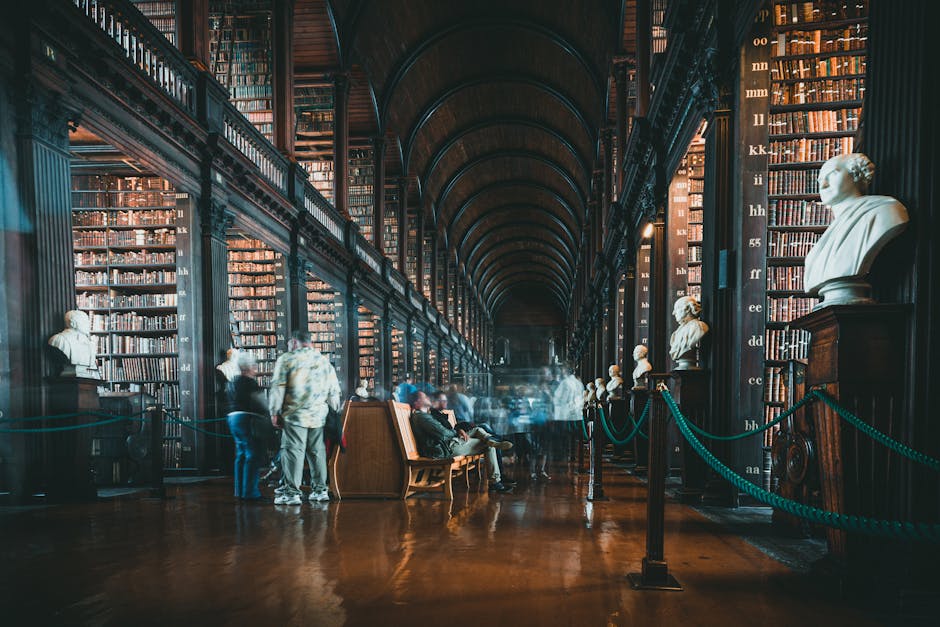
Day 1 (morning): Start at Trinity College Dublin, address: College Green, Dublin 2, D02 PN40. Open 9:30–17:00 (check seasonal hours). A ticket for the Old Library & Book of Kells is around €16 for adults. The bookstore and the Long Room are impressive — perfect for photos and a quick cultural context.
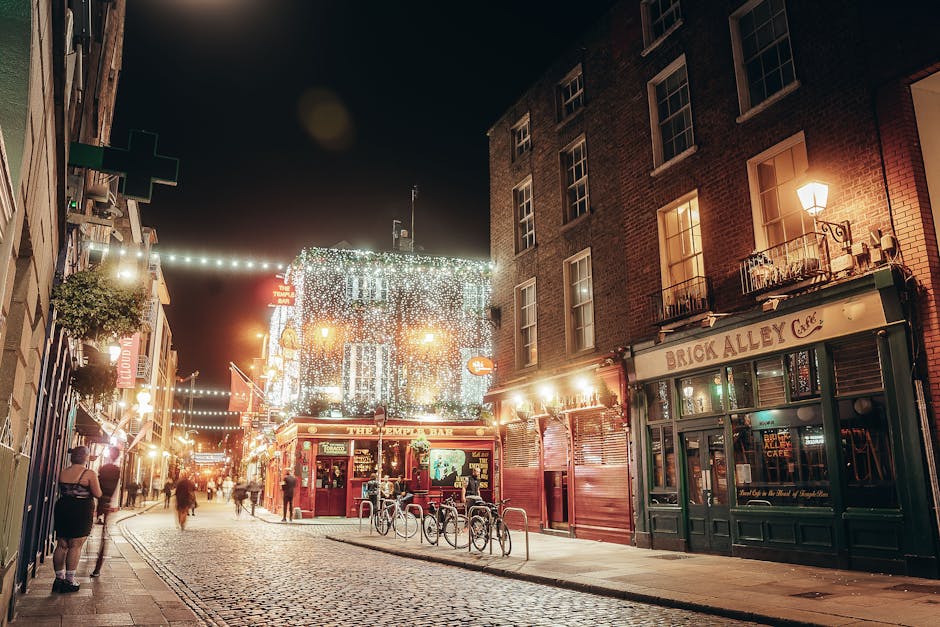
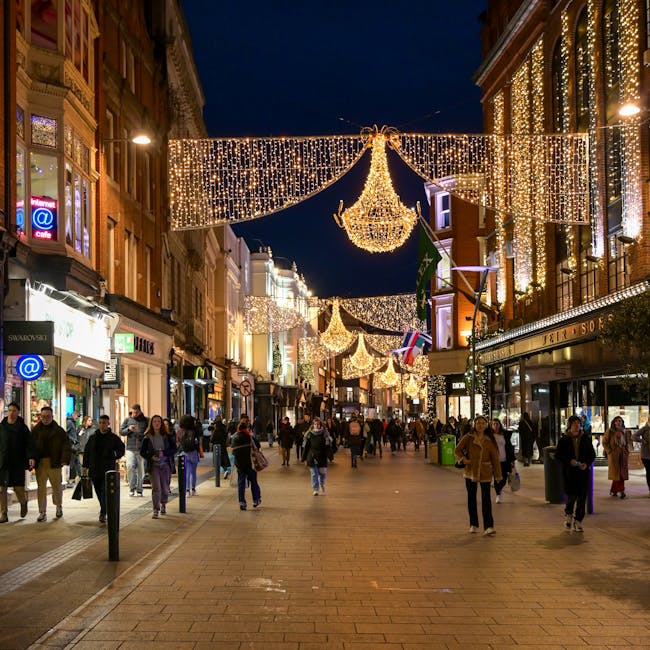
Day 1 (afternoon): Stroll along Grafton Street (Grafton St, Dublin 2) to listen to street musicians, then relax in St Stephen’s Green (St Stephen’s Green, Dublin 2) with a simple picnic. At 15:00, visit the Little Museum of Dublin (15 St Stephen’s Green, Dublin 2), tickets €10–€12, open 10:00–17:30. Spend the evening in Temple Bar, address: Temple Bar, Dublin 2; check out pubs like The Temple Bar Pub (47–48 Temple Bar, Dublin 2) — a pint of Guinness is roughly €6.50.
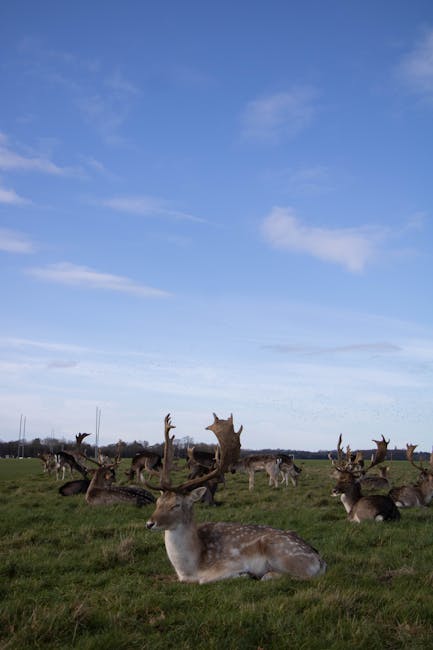
Day 2: For a budget-friendly day head to Phoenix Park (Phoenix Park, Dublin 8) — free entry, great for bike rentals (around €12–€18 per day). Afterwards, visit the National Museum of Ireland – Archaeology (Kildare St, Dublin 2), free, open 9:30–17:00. In the evening hunt for free music sessions in pubs around Capel Street or Camden Street.
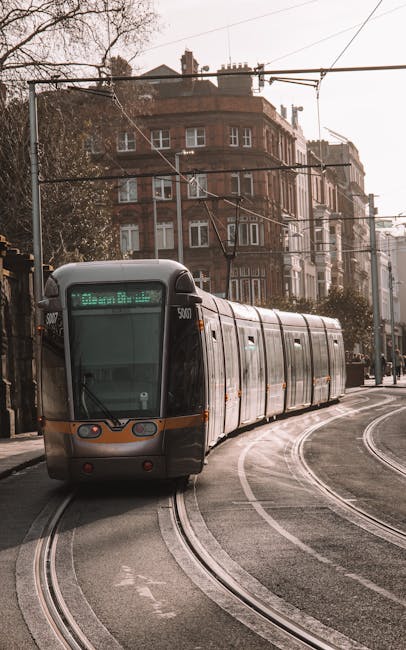
Local tips: get a Leap Visitor Card (3 days ~€40) if you’ll use buses and the Luas tram; book popular attractions online (Guinness Storehouse, Kilmainham Gaol) to avoid queues; bring a padlock for your dorm bed and a lightweight rain poncho. Hostels encourage socializing — join events they organize (pub crawls, free pay-what-you-want walking tours).

Central Four-Star Hotel: Comfortable Pace and Walkable Sights (3–4 days)
Staying in a central four-star hotel — for example The Morrison, a DoubleTree by Hilton (Ormond Quay Lower, Dublin 1, D01 ET84) — gives you a great base for walking attractions and comfortable recovery after long days on foot. A standard double room runs €140–€220 per night depending on season; check-in 15:00, check-out 12:00. Breakfast buffets are often €15–€25 if not included.
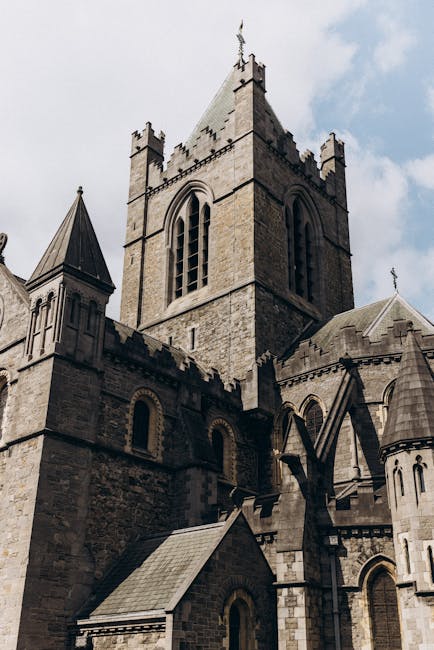
Day 1 (morning): Start at Dublin Castle (Dame St, Dublin 2, D02 XW77), open 9:45–17:45, tickets for the State Apartments around €10–€12. Walk to Christ Church Cathedral (Christ Church Place, Dublin 8), open 9:00–17:00, entry €8–€10. These sites offer a deep historical dive with medieval architecture and well-presented exhibits.
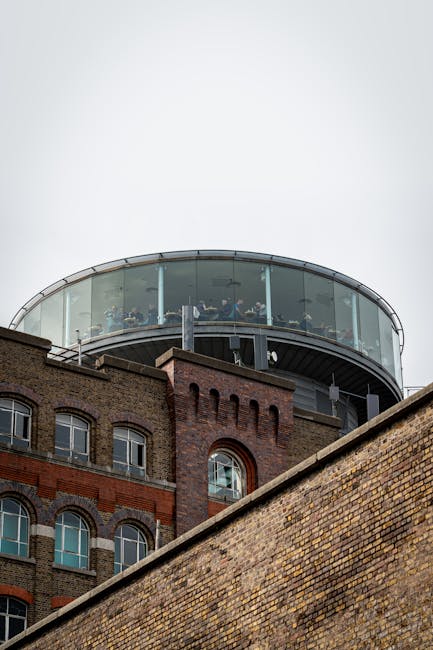
Day 1 (afternoon): Lunch at Queen of Tarts (Cow’s Lane, Dame St, Dublin 2) — savory tart + coffee ~€12–€15. Then head to the Guinness Storehouse (St. James’s Gate, Dublin 8, D08 VF8H) — open 9:30–17:00, standard tickets about €28–€34 (book online to lock in a timeslot). Finish at the Gravity Bar for sweeping views of Dublin and a pint of Guinness included with your ticket.
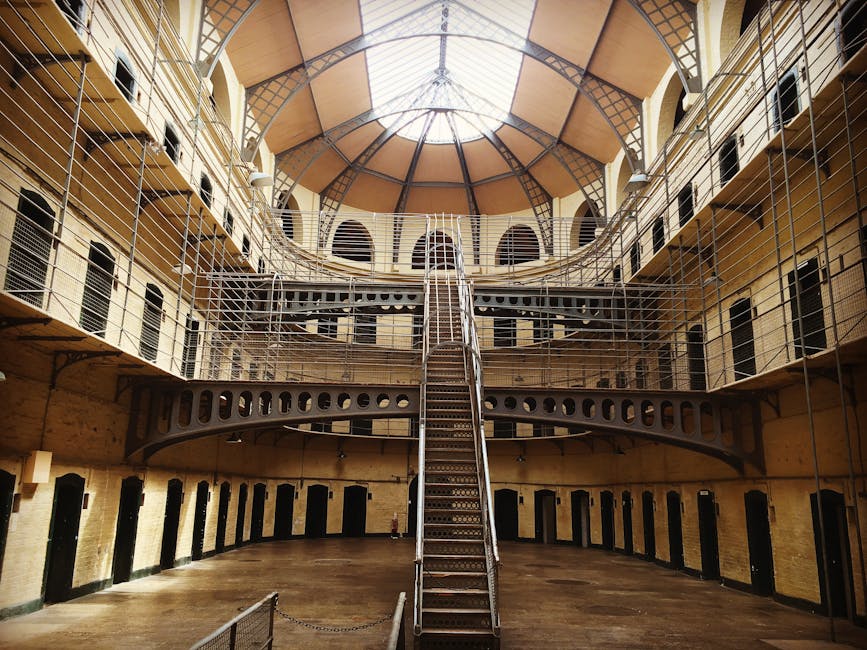
Day 2: Book Kilmainham Gaol (Aughrim St, Kilmainham, Dublin 8, D08 H6X3) — the guided tour is essential, tickets €8–€10; tours run 10:00–17:00 (check guided tour times). In the afternoon visit the Irish Museum of Modern Art (IMMA, Royal Hospital Kilmainham, Military Rd, Dublin 8), free or donation-suggested, open 11:00–17:00. For an upscale evening, dine at The Winding Stair (40 Ormond Quay Lower, Dublin 1), mains €18–€28 — reserve ahead.
Local tips: use the concierge to book theatre tickets for the Abbey or Gaiety; use ride-hailing apps like Free Now for late-night trips; ask for a courtyard-facing room if you want less street noise. A four-star hotel also gives you options for spa breaks or a nap between sightseeing.
Apartment / Airbnb in a Residential Neighborhood: Local Immersion and Longer Routes (4+ days)
Renting an apartment in a residential area like Ranelagh (Ranelagh Village, Dublin 6) or Howth (Howth, Co. Dublin, A96) gives you a slower rhythm and the chance to explore markets, coastal walks and neighborhood restaurants. Useful reference points: Ranelagh Village for cafés and the LUAS stop (Ranelagh LUAS stop, Ranelagh, Dublin 6), Howth Harbour (Howth Harbour, Howth, Co. Dublin) for nature. A one-bedroom rental typically costs €80–€150 per night depending on location and season.
Day 1 (settling in): Stock up at Fallon & Byrne (15–17 Exchequer St, Dublin 2), open 8:00–22:00, for a homemade breakfast. Explore the Ranelagh market (if it’s a Saturday) for artisan bread, cheeses and coffee. Take the LUAS or the DART to the city centre in 15–25 minutes.
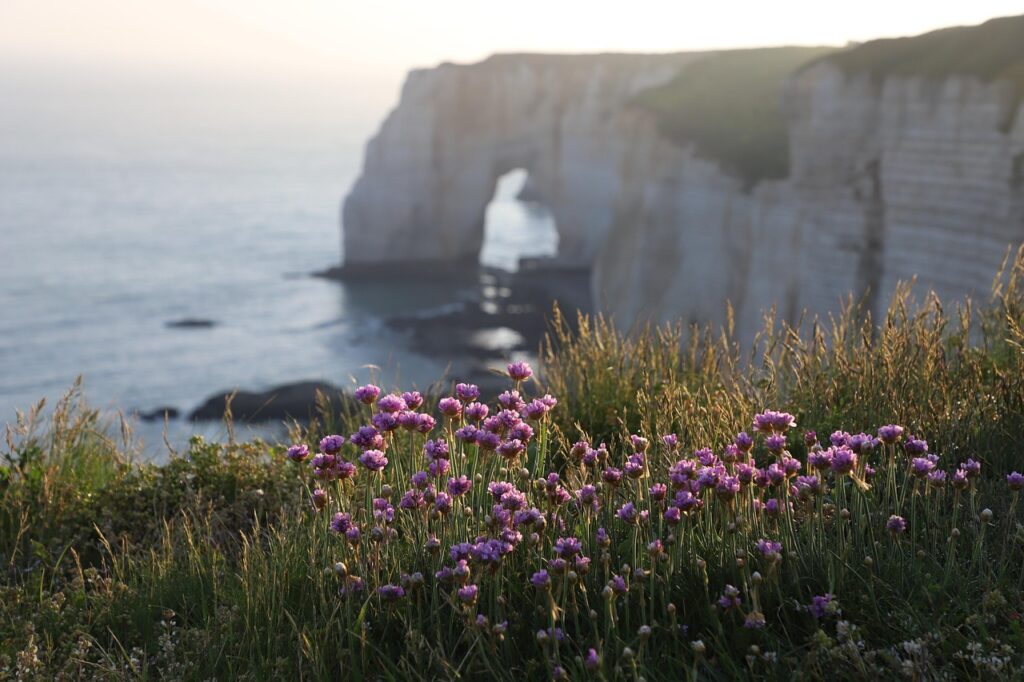
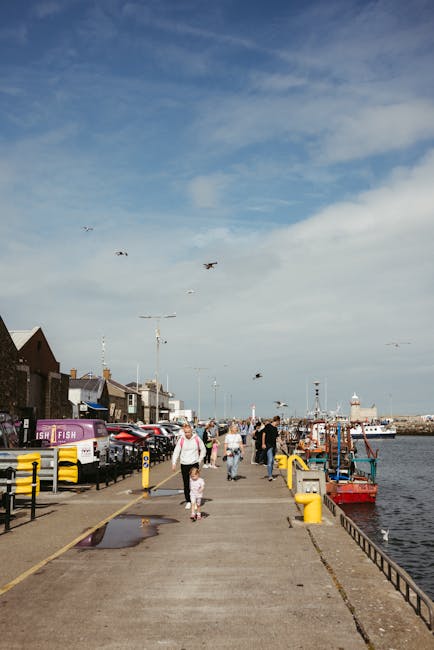
Day 2 (excursion): If you’re based in or travel to Howth by DART (Howth DART station, Howth, Co. Dublin), enjoy the Howth Cliff Walk (a coastal loop), free and offering cliffs, Irish Sea views and seafood restaurants. Try oysters or fish and chips at Beshoff Bros (Howth Main St, Howth, Co. Dublin): dishes ~€12–€18.
Day 3 (markets and local life): Head to the Dublin Flea Market (location varies, Marsh’s Library / St. Patrick’s Close depending on events), or visit the Temple Bar Food Market (Meeting House Square, Temple Bar) on Saturdays, snacks typically €3–€10. In the evening cook at your apartment or book a table at a neighborhood bistro for a quiet night in.
Local tips: check for a washer and dryer in the apartment — handy for longer stays; buy a rechargeable Leap Card to cut transport costs; bring a European adapter and some coins for coffee machines and lockers. The residential pace is about slow discovery: neighborhood cafés, reading in parks and chatting with local shopkeepers.
Luxury / Boutique Hotel: Comfort, Fine Dining and Bespoke Experiences
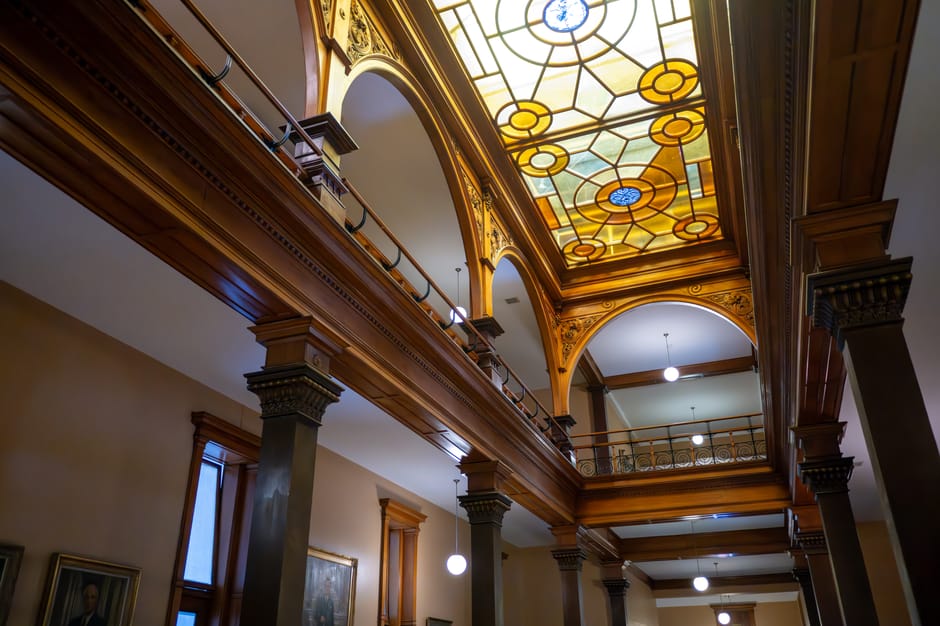
For a luxury stay — for example The Shelbourne, Autograph Collection (27 St Stephen’s Green, Dublin 2, D02 K224) — you’ll enjoy high-end services, a spa, concierge and immediate proximity to St Stephen’s Green and Grafton Street. A standard double room starts at €300 and can go up to €600 per night depending on season and room category. The hotel spa and restaurants offer relaxing and gourmet options; breakfast buffets typically €25–€40.
Day 1 (morning): Begin with a private walking tour arranged through the concierge around St Stephen’s Green (St Stephen’s Green, Dublin 2), followed by shopping on Grafton Street (Grafton St, Dublin 2). Book a VIP tour at Trinity College if you want an exclusive visit. Afternoon options include a spa treatment or afternoon tea at The Shelbourne (Afternoon Tea ~€45–€55 per person).
Day 2: Choose a private VIP tour of the Guinness Storehouse (VIP experiences ~€50–€70 depending on package and tastings), or enjoy a tasting menu at Chapter One (18–19 Parnell Square N, Rotunda, Dublin 1, D01 T3V8) — tasting menus ~€85–€120 per person. In the evening attend a concert or theatre performance at the Bord Gáis Energy Theatre (Grand Canal Square, Docklands, Dublin 2), tickets €25–€80.
Day 3: Arrange a private day trip to the Boyne Valley or Kilkenny through the hotel (full-day tours, prices vary €80–€150 per person). The hotel can make reservations at sought-after restaurants and provide a driver if needed. Luxury hotels are ideal for celebrating an anniversary, a romantic getaway or for indulgent recovery while still experiencing local highlights.
Local tips: take advantage of priority reservations and luggage service; request rooms with views over St Stephen’s Green for a peaceful panorama. For fine-dining experiences, book 2–4 weeks in advance, especially on weekends. Finally, use the concierge to arrange off-the-beaten-track experiences (historic pub tours, private distillery visits).
Conclusion: Choose Your Route Based on Your Accommodation
Picking the ideal Dublin itinerary really comes down to the type of accommodation: a hostel encourages social life and short trips, a four-star hotel makes walking tours and foodie evenings easy, an apartment offers local immersion and longer excursions, while a luxury hotel brings comfort and tailored experiences. Whatever you choose, Dublin packs outstanding sites into a reasonable area — Trinity College (College Green, Dublin 2), Guinness Storehouse (St. James’s Gate, Dublin 8), Kilmainham Gaol (Aughrim St, Kilmainham, Dublin 8) or the coastal walks in Howth — all lend themselves to adaptable itineraries.
Practically speaking: book popular attractions online (Guinness Storehouse €28–€34, Kilmainham Gaol €8–€10, Book of Kells €16), buy a Leap Card to save on transport (daily and Visitor options available, 3 days ~€40), check seasonal opening hours (museums and sites sometimes close earlier in winter), and be ready for changeable weather with a waterproof jacket and comfy shoes. Above all, don’t forget the essentials: take time to listen to live music in a pub, try local dishes, and wander without a strict plan — often it’s between two cobbled streets that Dublin reveals its best charms.