





Introduction — Why pick your Dublin hotel based on neighborhood and trip type
Dublin is a compact, lively city steeped in history, and where you stay has a big impact on your travel experience. From the buzzing nightlife of Temple Bar to the leafy, upscale streets of the Southside and the up-and-coming bohemian pockets, each area offers its own atmosphere, services and conveniences tailored to different kinds of visitors: business travelers, couples on a getaway, families or budget backpackers. This guide helps you navigate those options by highlighting the key neighborhoods, representative hotels, exact addresses, price ranges in euros, common opening hours and practical tips so you can choose the hotel that best matches your needs.
When booking in Dublin, think about several practical factors: proximity to transport (DART, Luas, buses), walking access to sights (Trinity College, Dublin Castle, Guinness Storehouse), vibe (quiet, upscale, lively), facilities (business center, spa, parking) and pricing policy (nightly rate, breakfast included, taxes). Rates fluctuate a lot with the season: peak tourist months (May–Sept) and event weekends (St. Patrick’s Day, festivals). For instance, a 4-star hotel in a central spot might start around €180–250 per night in low season and climb to €300–450 in high season. Hostels and budget hotels on the outskirts can offer dorm beds from €25–60 per night or private rooms from €60–100.
In this guide I cover the most relevant neighborhoods for staying in Dublin: the historic center and Temple Bar for nightlife and walkable sightseeing; the Southside (Ballsbridge, Merrion, Grand Canal) for refinement and character hotels; and budget and alternative options (Smithfield, Phibsborough, Portobello) for travelers watching their wallets or wanting a more local feel. For each area you’ll find concrete hotel examples with full addresses, price ranges in euros, useful opening hours (reception, check-in/check-out), detailed descriptions of services and local tips to make the most of your stay. Finally, recommendations on transport, bookings and local etiquette will help you get the most out of Dublin.
City Centre and Temple Bar: hotels for visitors who want to do everything on foot
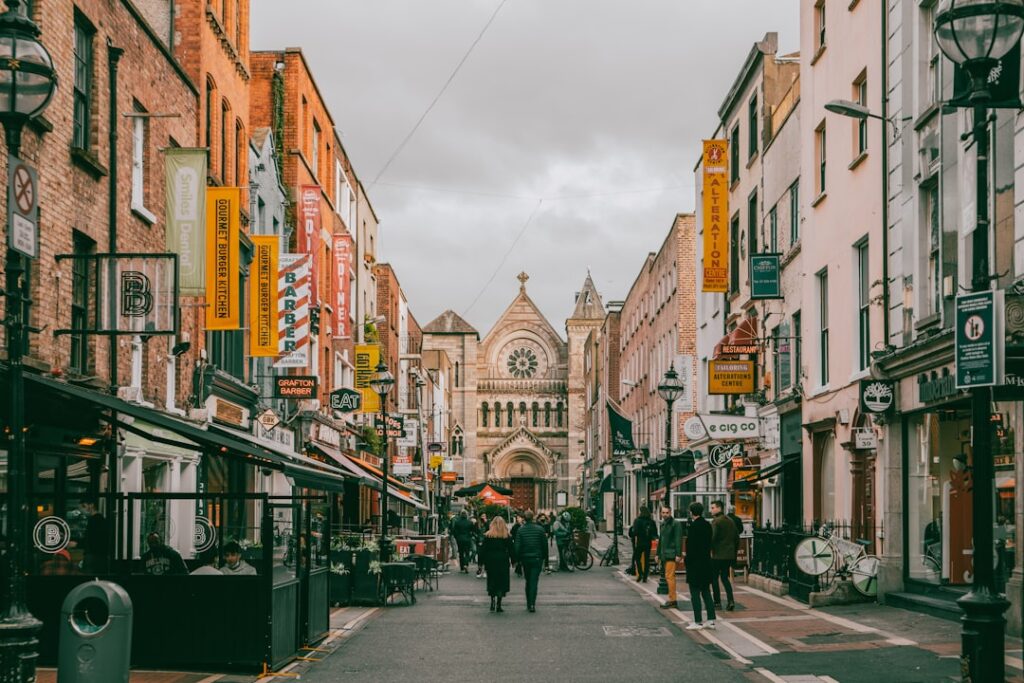
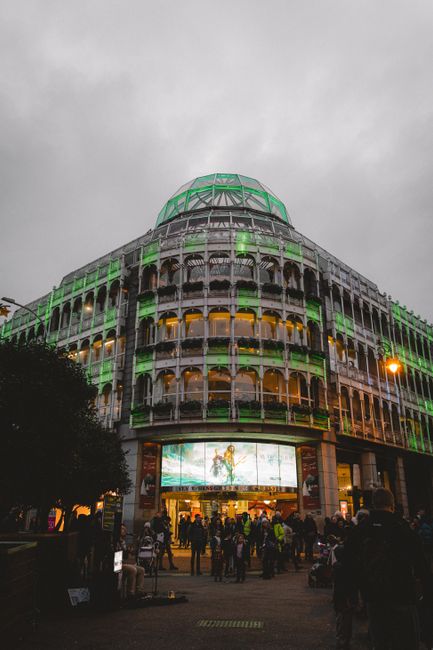
Dublin’s city centre is home to the main tourist attractions and a mix of historic and modern hotels. If being within walking distance of Trinity College, Grafton Street, Dublin Castle and the museums is your priority, look for a hotel between O’Connell Street and St Stephen’s Green. Temple Bar, on the south bank of the Liffey, is the cultural heart: pubs, galleries and live music. It’s great for night owls but noisy overnight, so opt for well soundproofed hotels if you want to sleep.
Concrete examples:
- The Shelbourne, Autograph Collection — 27 St Stephen’s Green, Dublin 2, D02 K224. Standard double rooms from €240–380 per night depending on season. 24-hour reception, check-in from 15:00, check-out 12:00. Spa, historic bar and valet parking. Vibe: classic luxury, ideal for romantic breaks and business trips.
- The Westbury — Balfe Street, off Grafton Street, Dublin 2, D02 DK79. Indicative rates €220–420 per night. 24-hour reception. Ground-floor fine dining restaurant, perfect for shopping and theatre nights (Gaiety Theatre nearby).
- Temple Bar Hotel — 3C Fleet Street, Temple Bar, Dublin 2, D02 W358. Double rooms from €140–220 per night. 24-hour reception, breakfast served 07:00–10:30. Central location but very lively — ideal if you want nightlife on your doorstep.
Practical tips: if you stay in Temple Bar, request a courtyard-facing room and check the soundproofing. For getting around, the Luas (red and green trams) and bus lines (Dublin Bus routes 7, 46A, 41) serve the centre. Official taxis are « Dublin Taxi » and apps like Free Now work well. Book early for weekends or event dates (concerts at 3Arena or the Festival of Curiosity) — prices can rise fast.
Southside — Ballsbridge, Merrion and Grand Canal: luxury, business and peaceful green surroundings
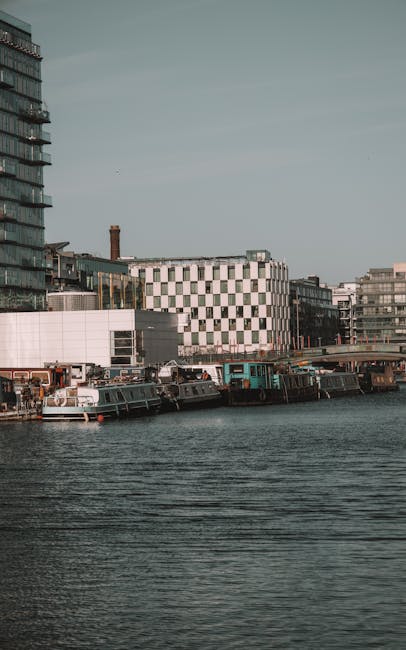
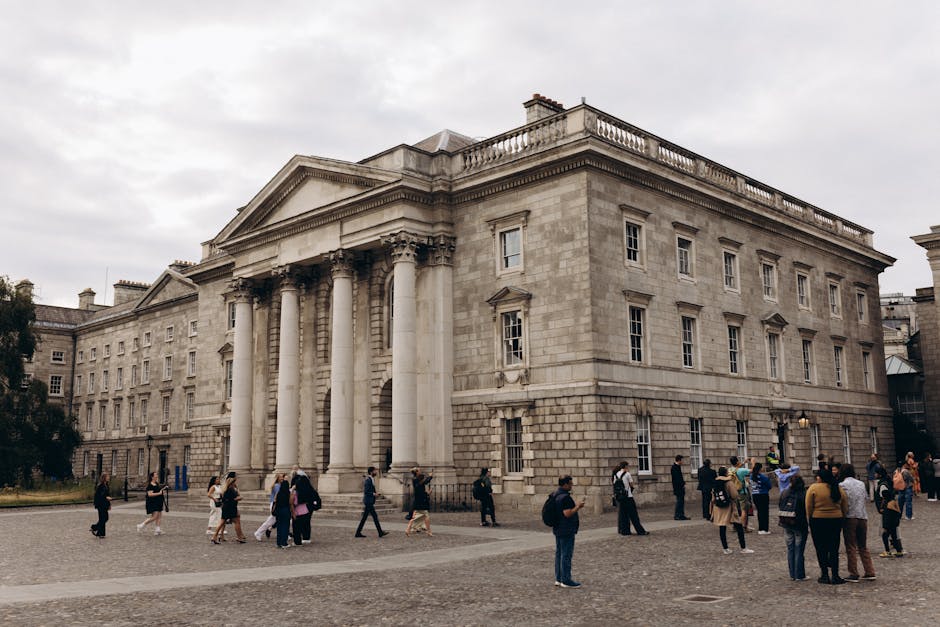
Dublin’s Southside offers a more upscale and often quieter experience, suited to business travelers, families seeking comfort and high-end stays. Ballsbridge, near the Aviva Stadium and Herbert Park, hosts international hotels and business residences. Merrion, around Merrion Square, is known for elegant hotels, museums and Georgian townhouses. Grand Canal Dock is modern and vibrant, attracting design hotels, startups and contemporary restaurants.
Representative hotels and practical info:
- The Merrion Hotel — Upper Merrion Street, Dublin 2, D02 VY88. Double rooms from €260–420 per night. 24-hour reception. Spa, indoor pool, Michelin-style restaurant and private gardens. Vibe: Georgian refinement and attentive service.
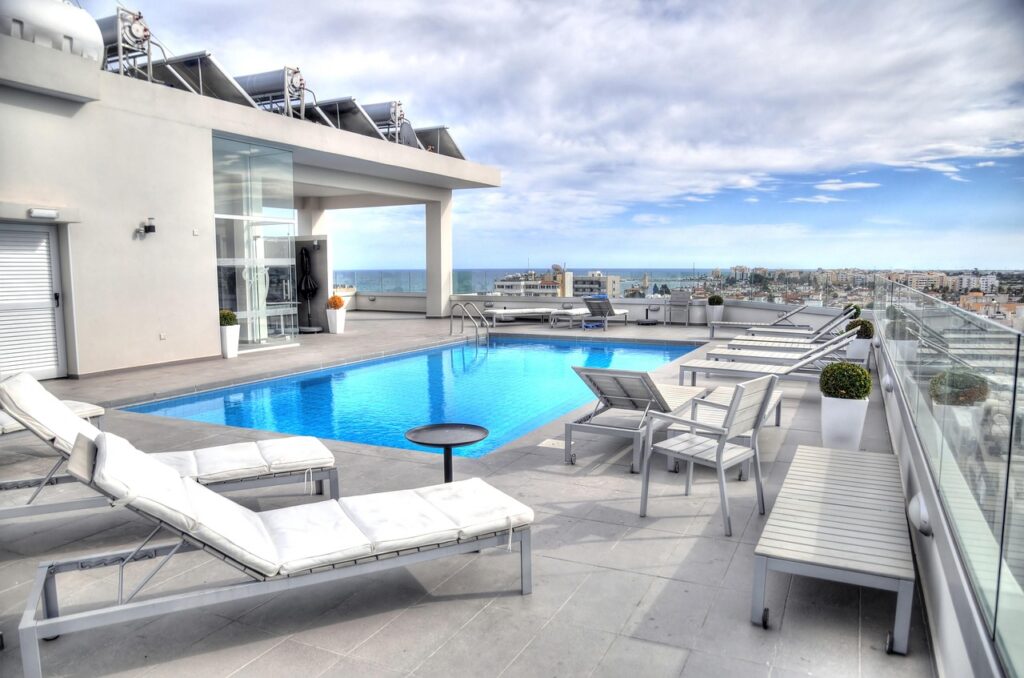
- The Marker Hotel — Grand Canal Square, Docklands, Dublin 2, D02 RY28. Rates €180–320 per night. 24-hour reception, rooftop with seasonal pool (hours 07:00–21:00 depending on season), conference facilities. Contemporary atmosphere, popular with business travelers and modern couples.
- Clayton Hotel Burlington Road — Burlington Road, Dublin 4, D04 C2N6. Double rooms €120–200 per night. 24-hour reception, parking, airport shuttle on request. Good value-for-money option for families and longer stays.
Local tips: Ballsbridge is walkable to the centre but better served by taxis, Luas and buses. If you’re attending events at Aviva Stadium, book early and ask about luggage storage on match day. Merrion is perfect for museum lovers (National Gallery of Ireland, address: Merrion Square West, Dublin 2) and peaceful strolls. Grand Canal Dock is handy if your trip mixes leisure with meetings at the multinational offices in the area.
Budget and alternative stays: Smithfield, Phibsborough and Portobello
Dublin also has budget-friendly and offbeat options away from the usual tourist paths. Neighborhoods like Smithfield, Phibsborough and Portobello offer friendly hostels, small guesthouses and affordable boutique hotels, while keeping a genuine local life: markets, independent cafés and alternative music scenes. These areas suit solo travelers, young couples and families looking for great value.
Examples and details:
- Generator Dublin (hostel) — Smithfield Square, Dublin 7, D07 K0Y2. Dorm beds from €25–35 per night, private double rooms €70–120 depending on season. 24-hour reception, check-in from 14:00, check-out 10:00. On-site café/bar and regular music events. Vibe: young and international.
- Malone Lodge Hotel — 1 Windsor Terrace, Adelaide Road, Dublin 2 (near Portobello). Double rooms €90–150 per night. Reception 07:00–23:00. Breakfast service 07:30–10:00. Suitable for travelers seeking a quiet residential feel with easy bus links to the airport.
- Maldron Hotel Smithfield — 2-6 Queen St, North City, Dublin 7, D07 CFK8. Double rooms from €95–160 per night. 24-hour reception. A good base for visiting the Guinness Storehouse (St James’s Gate, Dublin 8) and the vibrant Smithfield Plaza area.
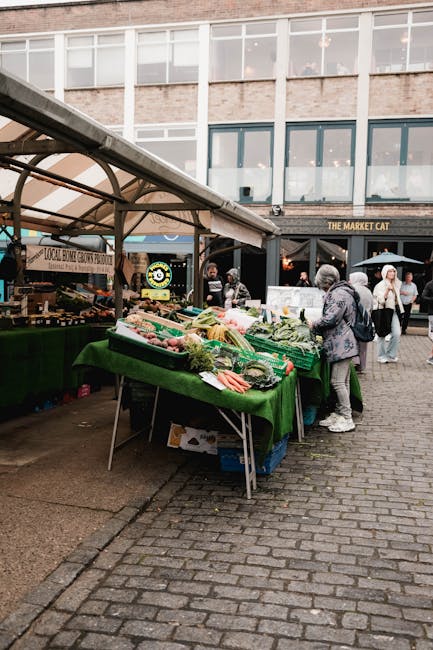
Practical tips: these neighbourhoods are often well served by buses and some are connected to the Luas (Red Line towards Heuston or Connolly). For budget stays, compare options that include breakfast — it can lower your overall costs. Local cafés and markets (for example the Smithfield Market on weekends) offer affordable meals and an authentic vibe. Also check reception hours to avoid collecting keys outside opening times, although many hostels offer late automated check-in.
Conclusion — Picking the hotel that matches your trip to Dublin
Choosing the right hotel in Dublin means balancing location, atmosphere, budget and services. If you’re after nightlife and walkable sightseeing, the city centre and Temple Bar are top picks despite potential noise. For a quieter, more luxurious stay, aim for the Southside (Merrion, Ballsbridge, Grand Canal Dock) where hotels offer spas, gourmet restaurants and green surroundings. Alternative neighbourhoods like Smithfield, Phibsborough and Portobello are great for budget travellers or anyone wanting a more local immersion.
Before you book, check the following: the hotel’s exact address (to gauge proximity to transport), prices in euros and any extra fees (supplementary charges or tourist taxes), reception hours and check-in/check-out policies. Consider the season: book early in May–Sept and for major event weekends. Use public transport (Luas, DART, Dublin Bus) to make the most of your time, and don’t hesitate to ask hotel staff for tips on local restaurants, show bookings and walking routes.
Finally, adopt a few simple rules: choose a courtyard-facing room to reduce noise, ask about discounts for longer stays, verify Wi‑Fi coverage if you’re working remotely, and consider mixing locations (for example two nights in the centre then a few nights on the Southside) to experience multiple sides of Dublin. With these pointers and the addresses and price ranges provided, you’ll be better equipped to book a hotel that really fits the vibe and services you want for your Dublin trip.