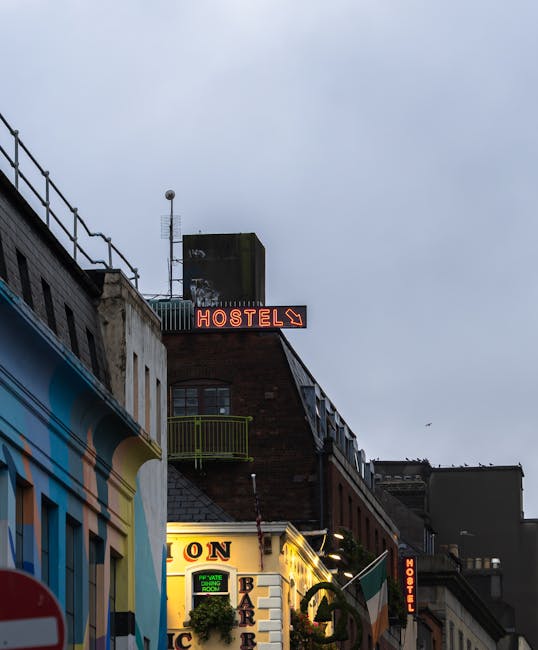






Introduction: The Appeal of Hostels in Dublin for Young Travelers
Dublin, Ireland’s lively capital, draws thousands of young visitors every year looking for live music, cozy cafés, literary history, and a social scene ripe for meeting new people. Among accommodation options, hostels hold a special place: they strike the perfect balance between budget, central location, and the friendly atmosphere that travelers aged roughly 18 to 35 often seek. In this detailed introduction, we look at why Dublin hostels are so attractive to that crowd by combining practical, cultural, and social factors.
First off, money matters. Life in Dublin can be pricey, and hostels offer dorm beds at wallet-friendly rates—often between €18 and €45 a night depending on season and room type. That affordability lets young travelers stay longer, join local activities, and spend more on experiences like concerts, pubs, and tours. Beyond the cost, hostels provide services tailored to this audience: fully equipped shared kitchens, laundry facilities, coworking areas for digital nomads, organized social nights, and group excursions. These amenities support independent travel and encourage interaction between guests.
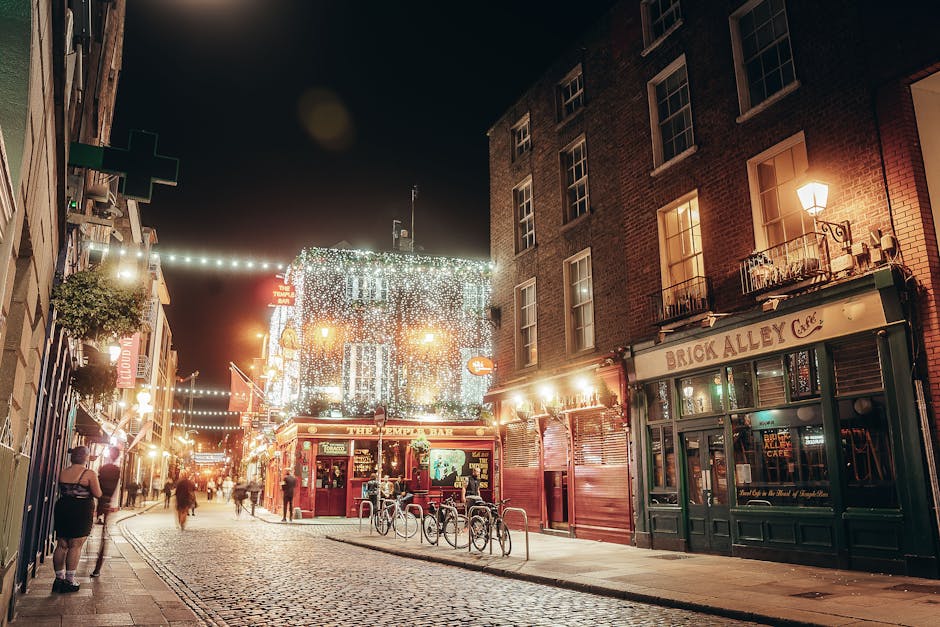
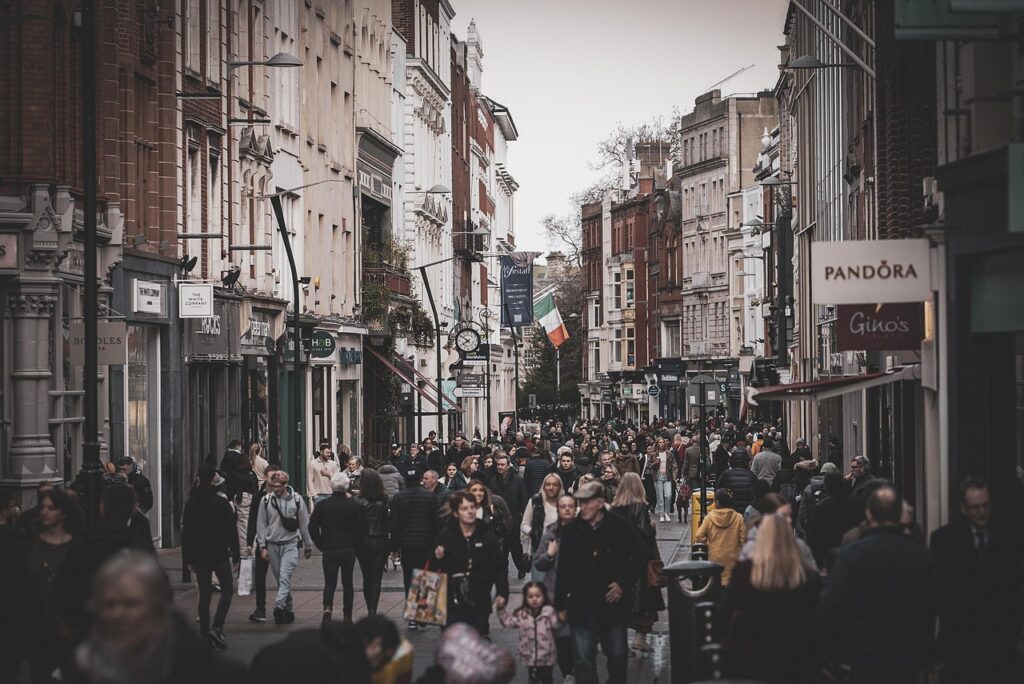
Location is another big draw. Many Dublin hostels are just minutes on foot from iconic neighborhoods like Temple Bar, Trinity College, and Smithfield, cutting travel time and transport costs. Young travelers love being able to walk home after a gig or night out and explore the city without relying on buses or the Luas tram. Hostels also often supply up-to-date local info, maps, and tips for discovering less touristy spots—traditional pubs, street markets, parks, and pop-up events.
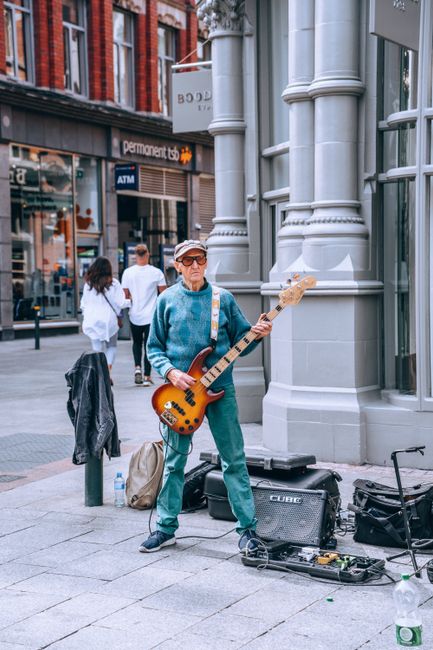
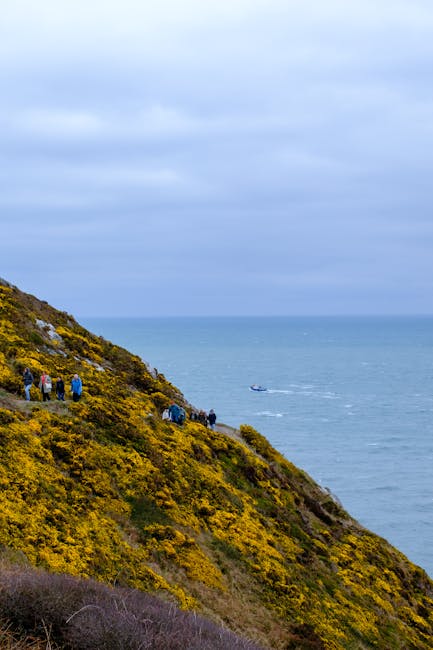
Finally, the social and cultural side is key. Hostels are hubs for meeting both local and international travelers, encouraging language exchange, forming groups for hikes or day trips, and even arranging shared reservations (for example a group booking for a museum crawl). Young people are drawn to that collective energy: impromptu living-room gigs, quiz nights, whiskey tastings, and organized trips to Howth or the cliffs at Bray. All of this creates a rich, safe, and budget-friendly travel experience tailored to a young, energetic crowd.
Why Dublin Hostels Appeal Especially to Young Travelers
Hostels aren’t just cheap—they represent a way of traveling. Young travelers fit naturally into spaces designed for sharing and discovery. Dorms cut costs but also offer the chance to meet people to explore the city with or join day trips. In Dublin, that vibe is amplified by a vibrant cultural scene: live music nightly, festivals like the Dublin Fringe or St. Patrick’s Festival, and a wide range of free or low-cost activities.
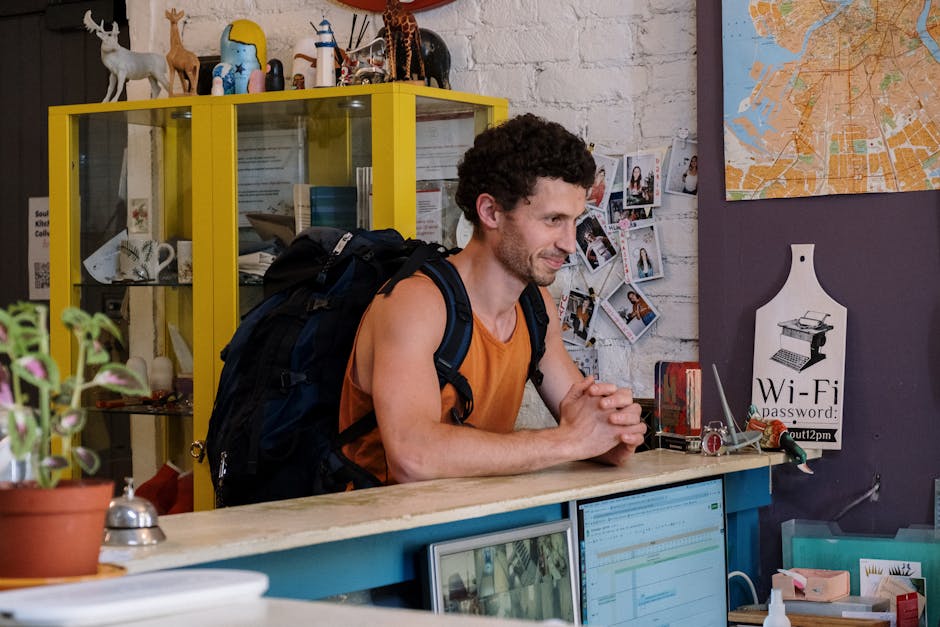
Another strong point is the accessibility of services aimed at younger guests: fast Wi‑Fi, power outlets at every bed, secure lockers, fully equipped kitchens, and affordable or included breakfasts. Hostels often partner with local businesses (discounts for guided tours, partner pubs, bike rentals) that make a stay both convenient and cost-effective. For example, some hostels offer discount cards for attractions like the Guinness Storehouse, Trinity College, or Liffey cruises.
Flexibility is also a perk: late check-ins, last-minute bookings, and more relaxed cancellation policies than many hotels. Many hostels have 24-hour receptions or self-check-in systems—handy for late flights or night buses. Young travelers, who often keep irregular schedules, appreciate that freedom.
Finally, safety and friendliness have become priorities: multilingual staff, CCTV, individual lockers, and clear codes of conduct. These features reassure solo female travelers, couples, and mixed groups while preserving the relaxed social atmosphere expected in a hostel.
Recommended Hostels in Dublin: Practical, Immersive Profiles
Generator Dublin — Smithfield
Address: Generator Dublin, Smithfield Square, Smithfield, Dublin 7, D07 Y9N8, Ireland.
Typical prices: dorms from €22 a night, private double rooms from €80 a night (rates vary by season).
Hours: 24-hour reception, check-in from 15:00, check-out by 11:00. Shared kitchen open 07:00–22:00, bar-café open daily 10:00–02:00.
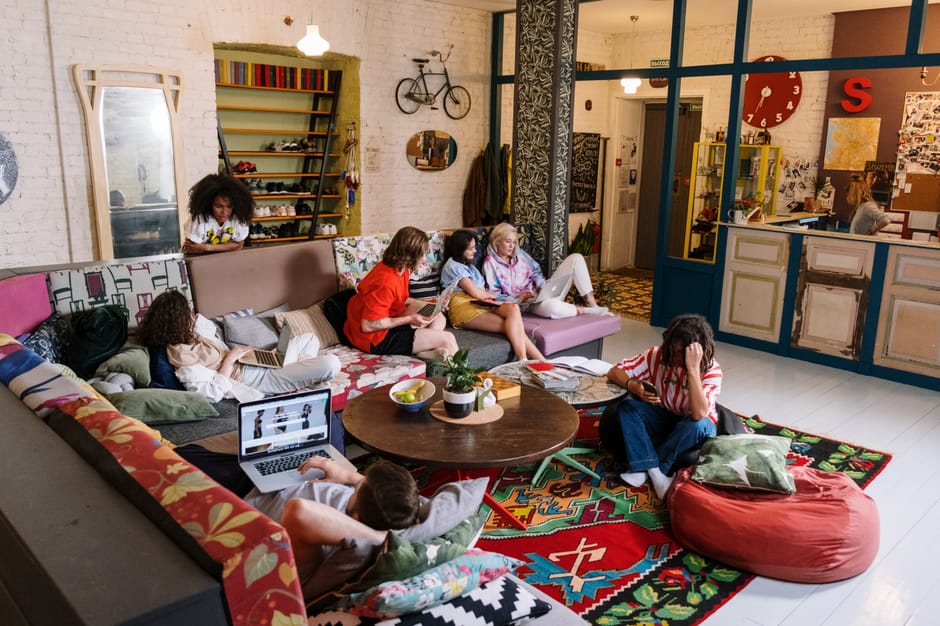
Description: Generator Dublin is a modern hostel in a roomy building close to the Old Jameson Distillery and the CHQ Building. The common areas are expansive: a large lounge with sofas, a lively bar, games area (pool, foosball) and coworking spaces. Rooms are designed for comfort with lockers, USB outlets and privacy curtains. It’s ideal for young travelers looking to combine sociability with contemporary facilities. The bar regularly hosts live music and themed nights that draw an international crowd.
Jacobs Inn Hostel — Central Dublin
Address: Jacobs Inn Hostel, 21-28 Talbot Place, Dublin 1, D01 FW7A, Ireland.
Typical prices: dorms from €20 a night, private rooms from €75 a night.
Hours: Reception open 24/7, check-in 15:00–00:00, check-out 11:00. Breakfast buffet 07:30–10:30 (€6), laundry 08:00–22:00.
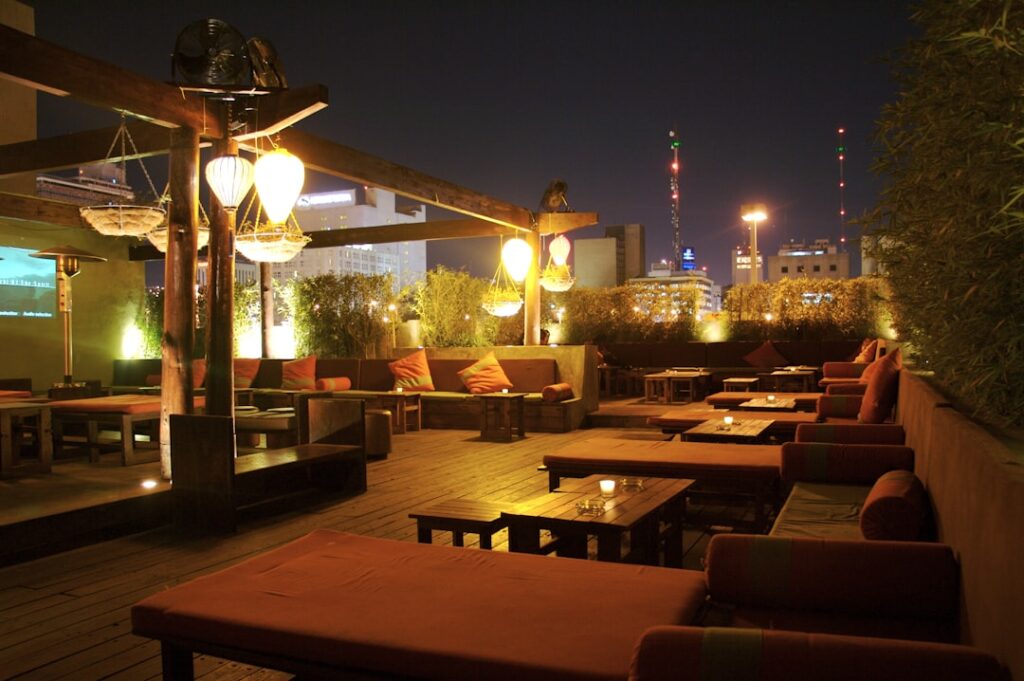
Description: A few minutes’ walk from Connolly Station and the lively O’Connell Street area, Jacobs Inn is known for its rooftop terrace with city views—a great spot for summer evenings. The hostel runs activities (free walking tours, pub crawls) and offers mixed dorms and female-only dorms. The shared kitchen is spacious and well-equipped, encouraging shared meals and traveler interactions.
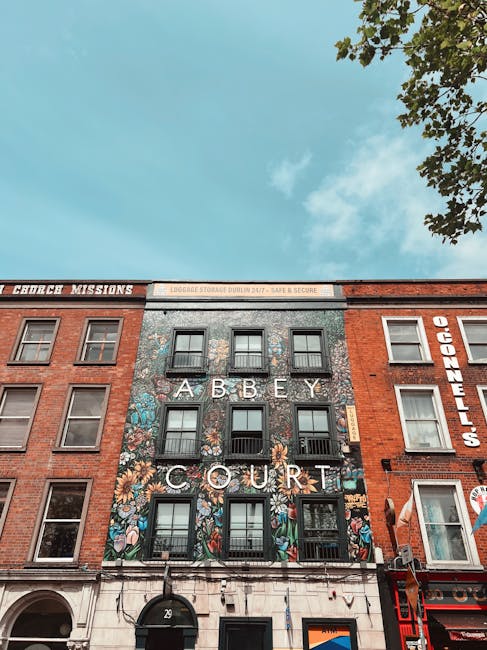
Abbey Court Hostel — Riverside Central
Address: Abbey Court Hostel, 29-30 Bachelors Walk, Dublin 1, D01 E2X4, Ireland.
Typical prices: dorm beds from €18 a night, double rooms from €70 (breakfast sometimes included depending on the deal).
Hours: Reception 08:00–23:00 (late arrival possible on request), check-in from 14:00, check-out 10:00. Continental breakfast 08:00–10:00 (included or €5 extra depending on booking).
Description: Very centrally located, Abbey Court sits along the Liffey close to Temple Bar and the Ha’penny Bridge. It’s a classic choice for travelers prioritizing location and value for money. The common rooms are welcoming, and the hostel provides personalized tourist information. It’s popular for its immediate proximity to pubs and historical sights.
Isaacs Hostel — Riverside Calm Close to the Centre
Address: Isaacs Hostel, 16-19 Bachelors Walk, Dublin 1, D01 P7R4, Ireland.
Typical prices: dorm beds from €20 a night, private rooms from €65 a night.
Hours: Reception 07:00–23:00, check-in 15:00–22:30, check-out 11:00. Shared kitchen open 06:30–22:00. Services: bike rental, tourist information, small shop on site.
Description: Isaacs combines a relaxed atmosphere with a prime riverside location, offering simple but clean rooms and friendly common areas. The hostel focuses on straightforward comfort, individual lockers and well-kept bathrooms. It’s popular with students and young professionals on the move.
Practical Tips for Booking, Saving Money, and Making the Most of Your Stay
Picking the right hostel depends on several factors: budget, location, vibe, and services. Here are practical tips to get the most out of your Dublin stay:
- Book ahead in high season (June to August, St. Patrick’s week): prices rise and beds fill fast. Use booking sites and compare cancellation policies.
- Compare what’s included: some hostels include breakfast or free activities (free walking tours), which can make a slightly pricier option better value.
- Check safety features: personal lockers, 24-hour reception, and recent guest reviews. Solo female travelers should consider female-only dorms or private rooms when possible.
- Location and transport: factor in travel time from the station or airport. Dublin has a good bus network and the Luas tram; some hostels offer shuttle services or partnerships to ease arrivals.
- Take part in local activities: sign up for hostel-organized events (pub crawls, concerts, guided tours). It’s the best way to meet other travelers.
- Respect the house rules: quiet hours, shared space etiquette, and locker usage. That helps keep a friendly and respectful atmosphere for everyone.

Social Life, Safety, and Local Advice for a Great Experience
Dublin hostels are social hubs. To make the most of your stay, here are practical local tips:
- Join the free walking tours: most leave from Temple Bar or Trinity College. They’re usually tip-based and perfect for meeting fellow travelers and getting an overview of the city.
- Pub nights and live music: check out pubs like The Cobblestone (77 King Street North, Smithfield, Dublin 7) or The Stag’s Head (1 Dame Court, Dublin 2) for traditional music. Some hostels organize routes to these spots.
- Night safety: Dublin is generally safe, but watch your belongings in dorms, avoid walking alone very early in the morning in quieter areas, and use taxis or ride-hailing services after midnight if needed.
- Getting to the coast: for a nature day trip, DART trains leave from Dublin Connolly to Howth (Howth DART Station) in about 30 minutes—perfect for coastal hikes or fishing.
- Respect nap times: many travelers work remotely; avoiding noise early in the morning helps maintain a considerate atmosphere.
Conclusion: Hostels as a Launchpad for an Authentic Dublin Experience
In short, Dublin hostels are much more than a place to sleep: they’re catalysts for experiences, cultural exchanges, and lasting connections. For young travelers, they offer an affordable option while opening the door to a lively social life—from Temple Bar nights to coastal hikes and spontaneous music sessions. Hostels like Generator Dublin, Jacobs Inn, Abbey Court and Isaacs blend social atmosphere, safety, central locations and activity programs to meet the expectations of a generation that values experiences over luxury.
When planning your trip, strike the right balance between budget, vibe and location. Book early in high season, read recent reviews, and favor hostels that clearly list their hours and services (24-hour reception, shared kitchens, luggage storage). Don’t forget to explore the surroundings: riverside walks along the Liffey, impromptu pub concerts, and day trips to Howth or Bray will enrich your visit.
Above all, adopt a curious and respectful traveler’s mindset: share your plans with reception, join activities, follow the hostel rules, and you’ll be rewarded with memorable encounters and lasting memories. Dublin hostels remain an ideal gateway to Irish culture, giving young travelers the freedom, savings and community spirit that define modern travel.