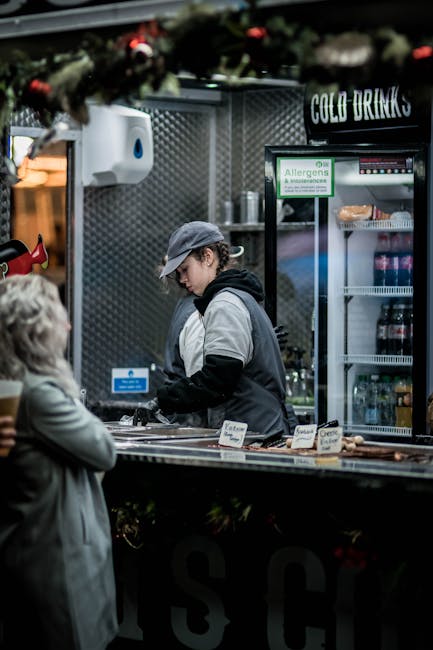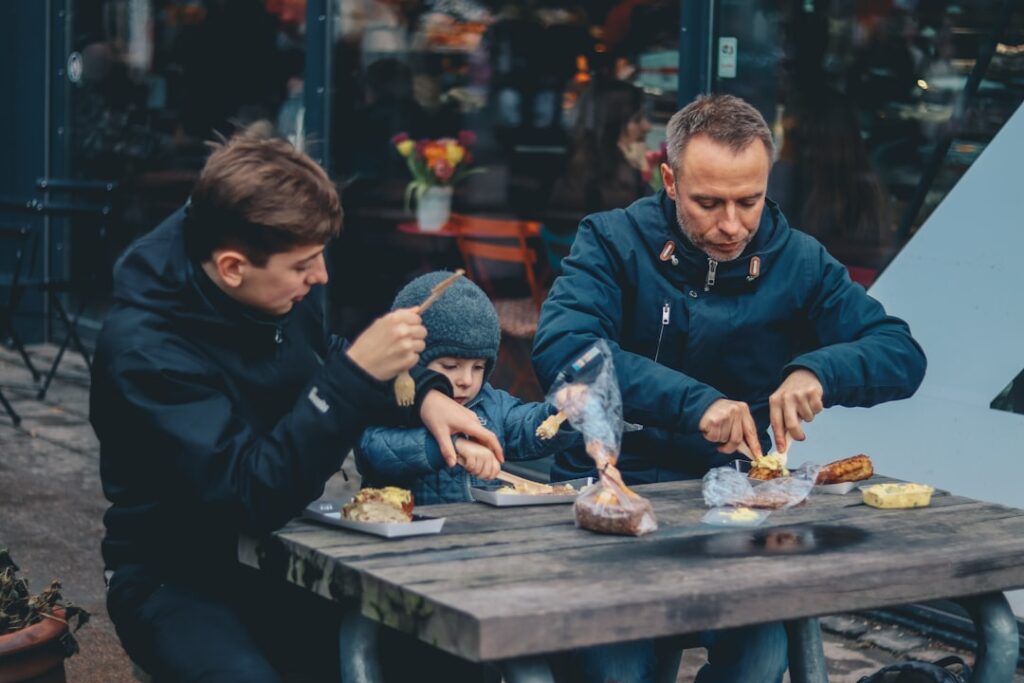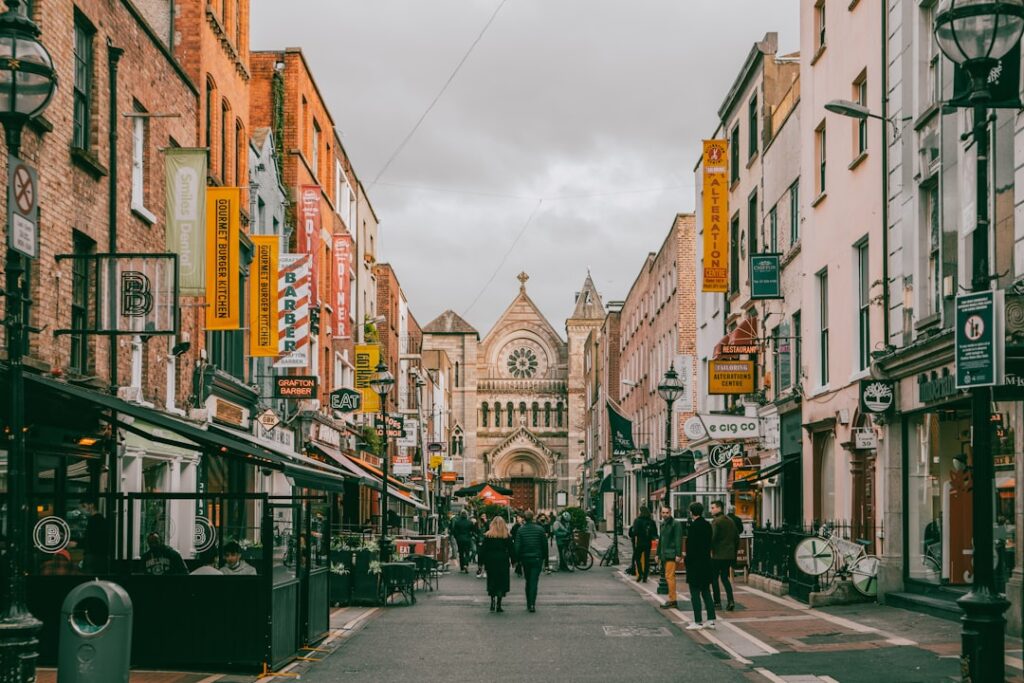






Introduction — Dublin’s food scene beyond the clichés
Dublin often gets boxed into a few easy images: smoky pubs with a pint of Guinness in hand, music-filled tourist pubs serving cheap pints, or a city break that barely scratches past the Temple Bar highlights. The culinary reality of Ireland’s capital is far richer and more layered. Over the last two decades the city has grown a vibrant food culture where neighborhood markets, small producers, independent artisans, specialty cafés and family-run pubs all play complementary roles. Together they shape a food landscape that’s both traditionally rooted and unmistakably modern.
This article aims to lift the lid on that other Dublin — the one of week-round neighborhood markets, family pubs serving honest regional cooking, and food artisans turning local produce and old recipes into memorable culinary experiences. I’ll point out concrete spots with exact addresses, rough prices in euros, typical opening hours, immersive descriptions and local tips so every visitor can navigate with confidence and curiosity.
Throughout the guide you’ll find popular markets like the Temple Bar Food Market at Meeting House Square, historic local markets such as Moore Street Market, coastal food hubs in Howth, plus city destinations like Smithfield Market and the culinary incubator Fallon & Byrne on Exchequer Street. We’ll also drop into essential family-run pubs — The Brazen Head, The Cobblestone, The Stag’s Head — which, beyond the pints, offer genuinely local food often at friendly prices. And we’ll explore the artisan scene: roasters like 3fe, signature bakeries and cafés like Brother Hubbard, and inventive café-restaurants like The Fumbally.
Each place is described in an immersive way: the vibe, the kinds of products on the stalls, the smell of bread straight from the oven, a grower’s tip about the sweetest variety, or the pub owner’s smile when they know your usual. Addresses and opening times are based on the most recent public information and on-the-ground experience; during holidays or festivals (St. Patrick’s Day, market pop-ups) it’s wise to double-check before you go. Price ranges are indicative: a coffee around €3.50–€4.50, a market plate €6–€12, a hearty pub meal €12–€20, a farmer’s basket for two €20–€40.
This guide is aimed at both curious visitors and food lovers chasing authenticity: it’s meant to steer you toward genuine local experiences focused on people and produce. You’ll also find practical tips — best times to avoid crowds, how to spot a great artisan, bargaining pointers at markets — so your dive into Dublin’s food scene is as efficient as it is rewarding.
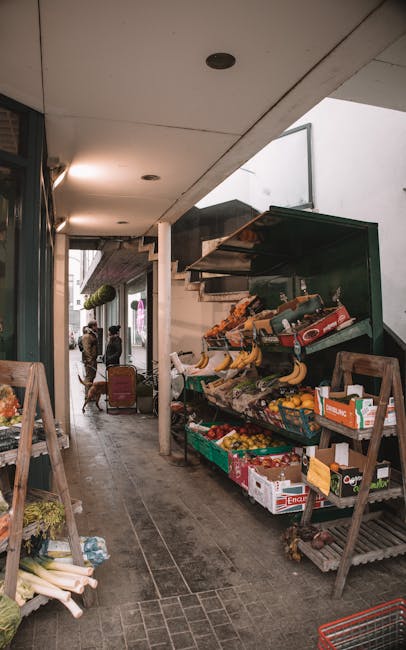
Markets across Dublin: stalls that tell the city’s story
Dublin’s markets are a perfect gateway to the city’s food diversity. They range from tourist-friendly setups to genuine local hubs, and several of them deliver excellent produce and a warm atmosphere. Here’s an overview of the most notable ones, with addresses, typical hours and price guides.
Temple Bar Food Market — Meeting House Square
Address: Temple Bar Food Market, Meeting House Square, Temple Bar, Dublin 2.
Opening hours: Saturday 10:30–16:30 (most reliable hours; open year-round; sometimes extended hours in summer).
Price guide: snacks €4–€9, takeaway dishes €6–€12, artisan pastries €2.50–€4.00.
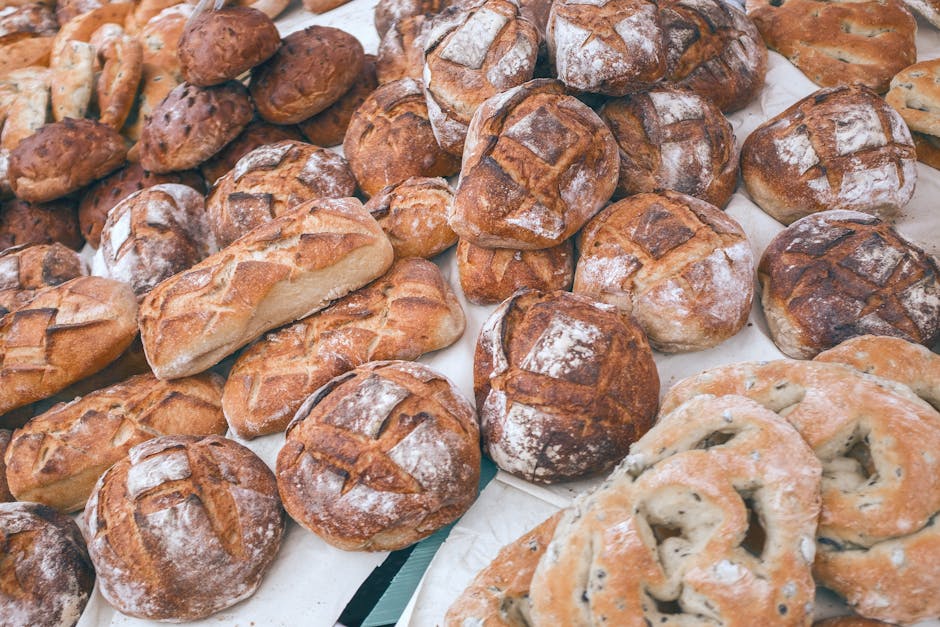
Located in the heart of Temple Bar, this market is easy to reach and draws a mixed crowd of locals and visitors. Stalls sell artisan bread, Irish farmhouse cheeses, cured meats, prepared international dishes (tacos, curries, bao) and baked goods. The vibe is noisy but friendly: outdoor benches, street musicians and a steady stream of people. For a more local feel, arrive early (10:45–11:30) to dodge the tourist tide and have a chat with the producers — many sell direct and love to talk about the origins of their goods.
Moore Street Market — the historic heart of the trading quarter
Address: Moore Street Market, Moore St, Dublin 1.
Opening hours: Monday–Saturday 07:00–17:00 (hours may vary by trader).
Price guide: fresh vegetables €1–€5/kg depending on season, fruit trays €3–€8, inexpensive popular snacks €2–€5.
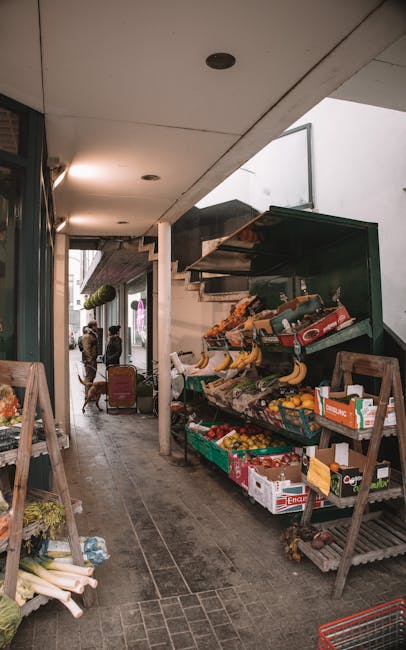
Moore Street Market is a long-standing working-class institution, often prioritizing authenticity over polish. Stalls overflow with seasonal produce and the market serves as a daily trade hub for many Dubliners. The atmosphere is intense: traders call out their offers, sell small spice sacks, loose vegetables and cheap sandwiches. It’s the ideal place to watch Dublin’s trading life, assemble an improvised picnic for a few euros, or try prepared specialties from the city’s migrant communities.
Smithfield Market & Smithfield Sunday Market — an urban mix
Address: Smithfield Sunday Market, Smithfield Square, Dublin 7.
Opening hours: Sunday 10:00–16:00 (main market), some vendors present during the week depending on events.
Price guide: bakery goods €2.50–€5, street food dishes €5–€12, handmade textiles €10–€40.
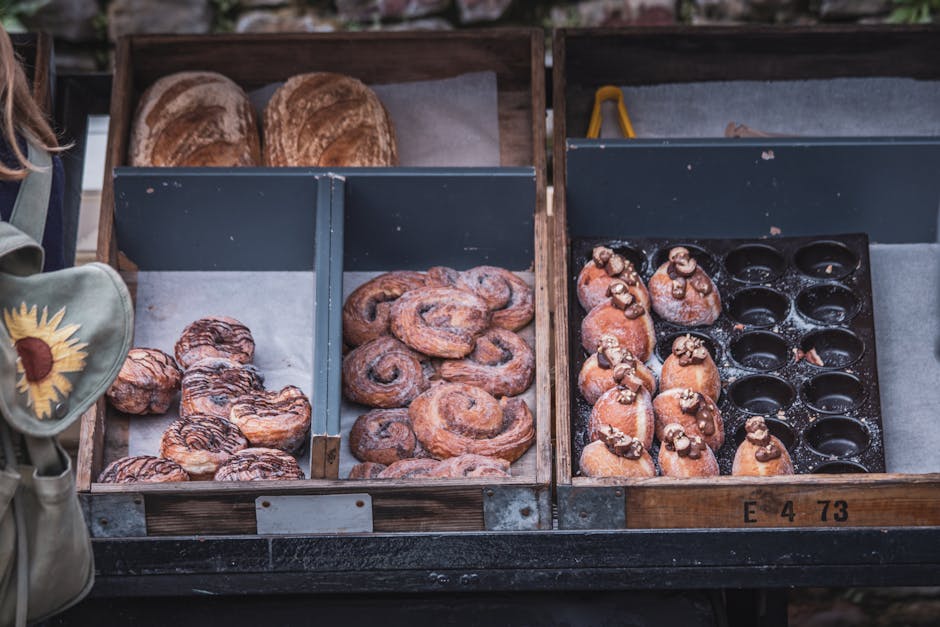
Smithfield has seen a major urban makeover: from industrial zone to creative quarter. The Sunday market brings together artisans, bakers and street-food stalls. Long-fermented breads, braised pork rolls, homemade falafel and specialty coffee stalls all share space. It’s a market where you can linger through a whole morning — grab breakfast, browse nearby shops, then have lunch in the shade of nearby landmarks.
Howth Market — fishing and coastal produce
Address: Howth Market (Howth Village), Harbour Road, Howth, Co. Dublin (about 30 minutes by DART from the city centre).
Opening hours: Saturday–Sunday 10:00–17:00 (high season).
Price guide: fresh seafood €8–€25 depending on species, fish-and-chips to eat on the spot €7–€12, takeaway platters €15–€30.
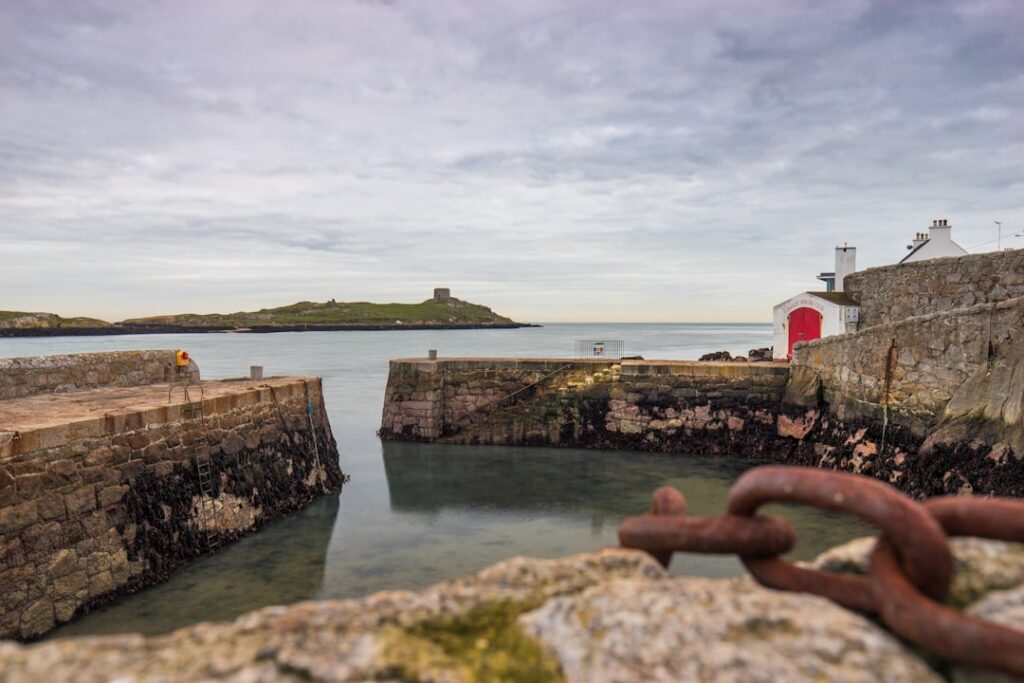
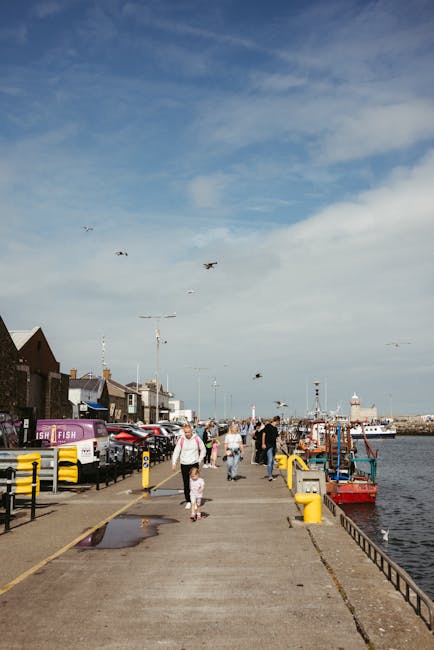
Set on the Howth peninsula, this market benefits from immediate sea freshness: oysters, mussels, crab and locally caught fillets. The port’s proximity means you can often buy fish right off the boats. Old-fashioned fish-and-chips stalls are a must. For the best experience, pair a walk along the pier (great views over Dublin Bay) with a market lunch: portions are generous and prices usually better than waterfront restaurants.
Family pubs and taverns: so much more than pints
Dublin pubs aren’t just places to drink: many are neighborhood pillars run by families or small teams where food matters. Unlike tourist-focused pubs, these spots often serve reworked Irish classics, local farm-sourced ingredients and maintain an intimate atmosphere. Here are family-run pubs worth knowing, with addresses, hours and typical prices.
The Brazen Head — history and honest cooking
Address: The Brazen Head, 20 Bridge Street Lower, Dublin 8.
Opening hours: Daily 10:30–00:00 (kitchen often serving 12:00–21:00).
Price guide: pub grub €12–€20, soups/starters €5–€8, pints €5–€6.
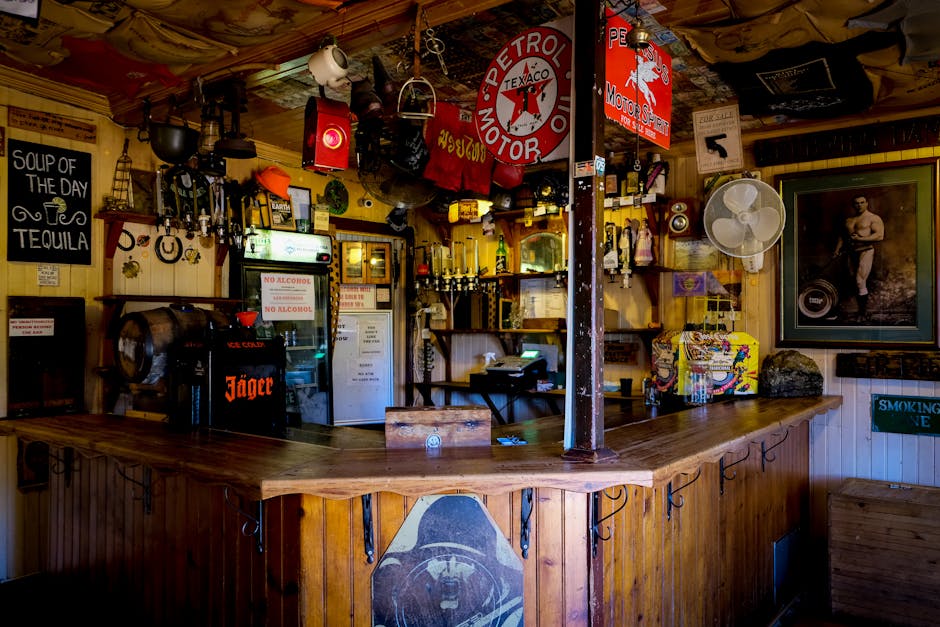
Claiming to be Ireland’s oldest pub, The Brazen Head blends historic décor (dark timber, fireplaces) with solid pub cooking: slow-cooked stews, crispy fish-and-chips and traditional mains. It’s a safe bet for dinner after a day of sightseeing. The service feels familial: staff often know the regulars, and the place keeps a reputation for warm hospitality. Local tip: book ahead at weekends if you want a specific table.
The Cobblestone — music, friendliness and homemade food
Address: The Cobblestone, 77 King St North, Smithfield, Dublin 7.
Opening hours: Monday–Saturday 12:00–23:30, some nights later for live music (check schedule).
Price guide: sandwiches & soups €6–€9, light meals €10–€16, pints €5–€6.
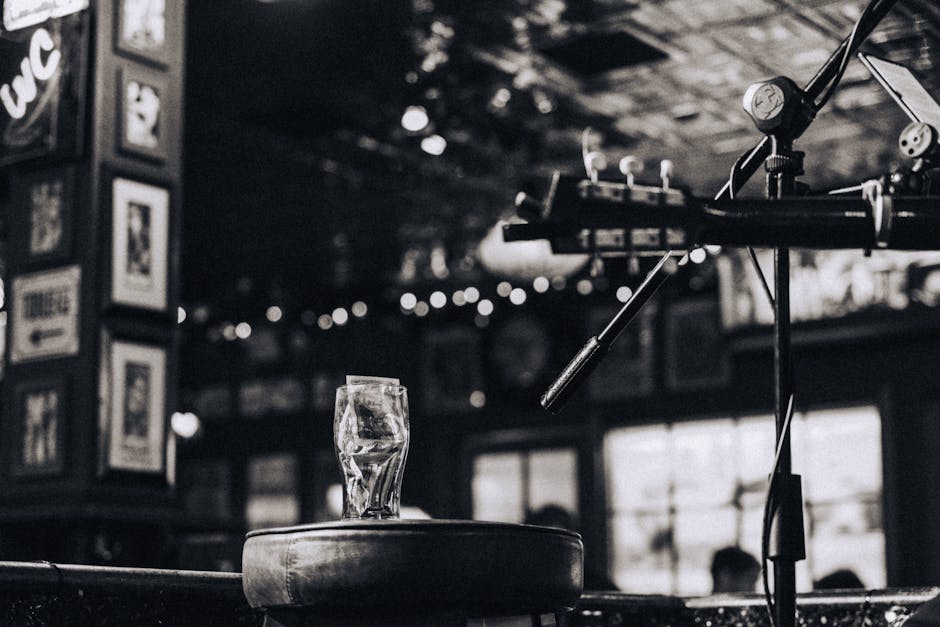
Famed for its traditional music sessions and workshop-like atmosphere, The Cobblestone is a local pub you visit as much for the tunes as the food. The cooking is simple but well-made: pies, homemade soups and comforting plates. It feels like a community living room: musicians set up, friends chat and the menu shifts with the seasons. Tip: if you’re coming for a music session, arrive early (19:00–20:00) to secure a seat.
The Stag’s Head — Victorian architecture and hearty plates
Address: The Stag’s Head, 1 Dame Court, Dublin 2.
Opening hours: Monday–Sunday 10:30–23:30 (kitchen generally 12:00–21:00).
Price guide: mains €12–€18, desserts €5–€7, pints €5–€6.
The Stag’s Head combines a Victorian façade with an ornate interior, complete with mouldings and a mahogany bar. The menu leans on seasonal cooking and local ingredients: root vegetables, roasted meats and reimagined traditional desserts. It’s one of those places that feels straight out of a Dublin postcard, but with a clear focus on quality. For a convivial meal, go for the Sunday roast — typically excellent value.

Artisans and food halls: innovation through raw ingredients
Dublin now hosts artisans across many crafts: coffee roasters, sourdough bakers, cheesemakers, charcutiers and hybrid food halls that bring several talents under one roof. These places are often culinary incubators where ideas are trialed before spreading across the city. Below are a few standouts with practical info and tasting suggestions.
Fallon & Byrne — the food hall on Exchequer Street
Address: Fallon & Byrne Foodhall, 11–17 Exchequer Street, Dublin 2.
Opening hours: Monday–Saturday 09:00–21:00, Sunday 10:00–19:00 (hours may shift seasonally).
Price guide: à la carte dishes €12–€28, sharing plates €8–€18, deli items €5–€50 depending on product.
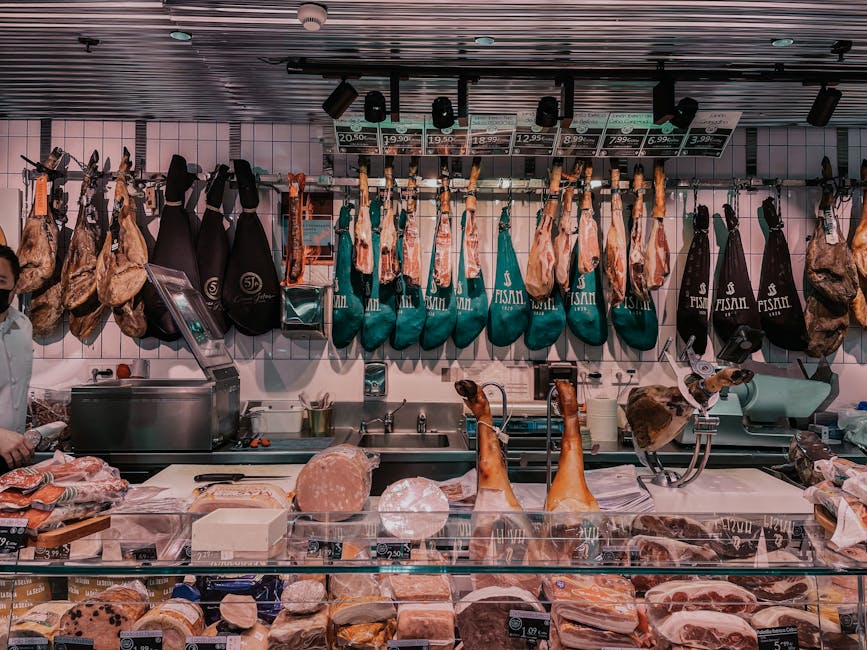
Fallon & Byrne is more than a deli: it’s an elegant food hall offering a range of rare ingredients, Irish artisan products and freshly prepared dishes. The atmosphere is refined, with a deli section, a counter for ready food and a dining area. Shelves display charcuterie, high-end preserves, aged cheeses and wines. For a mid-range option, a cheese board with bread runs about €15–€22; for gourmets, imported specialties can add up quickly.
3fe — roaster and specialty café
Address: 3fe Coffee, 32 Grand Canal Street Upper, Grand Canal Dock, Dublin 4.
Opening hours: Monday–Friday 08:00–17:00, Saturday 09:00–17:00, Sunday closed or reduced hours (check their site).
Price guide: espresso €2.70–€3.20, flat white €3.50–€4.50, bags of beans €12–€20 depending on origin.
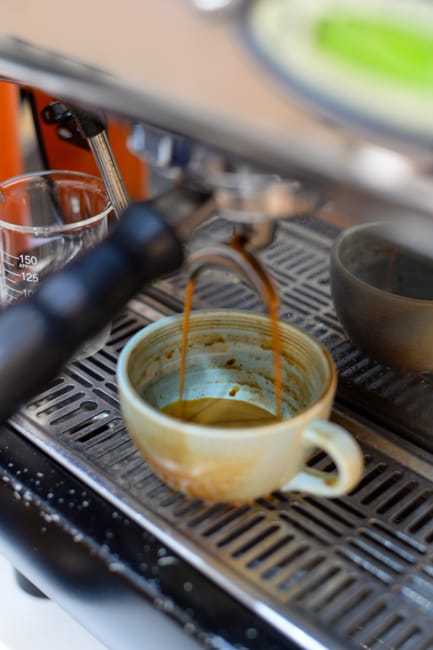
3fe is a must for coffee lovers: local roasting, high standards and careful extraction methods. The Grand Canal shop serves bright espressos, well-made filter coffees and sells bags from micro-lots. A coffee here doubles as a mini-lesson on origin and preparation. Tip: try a filter to pick up the aromatic nuances; a 250 g bag for the road usually costs €12–€18 depending on the lot.
Brother Hubbard & The Fumbally — cafés that think like kitchens
Brother Hubbard (North) address: Brother Hubbard, 153 Capel Street, Dublin 1.
The Fumbally address: The Fumbally, 1 Fumbally Lane, Dublin 8.
Brother Hubbard opening hours: Generally 08:00–16:00 (daily depending on location).
The Fumbally opening hours: 08:00–15:00 (midday rush for popular brunches).
Price guide: brunch €8–€14, sandwiches €6–€9, pastries €2.50–€4.50.
Brother Hubbard and The Fumbally represent a generation of café-restaurants that foreground the ingredient: fermented vegetables, house breads, small dishes drawing on Middle Eastern and Mediterranean influences. The vibe is relaxed, spaces are often light-filled and service is casual. These places are perfect for a nourishing breakfast after a city stroll or a slow lunch. Local tip: arrive before noon on weekends or be prepared to wait outside; the queue moves quickly but it’s popular.
Practical tips, budgets and local pointers
To make the most of Dublin’s food scene, here are compact practical tips: when to visit, how to budget and how to engage with artisans and vendors.
- Best times to visit markets: weekend mornings (10:00–12:00) are ideal for Temple Bar and Smithfield. Moore Street runs from as early as 07:00 for regular customers. Howth is best early after the DART arrives (09:00–11:00) to catch the day’s freshest catch.
- Budget to plan for: for a full day of food discovery: breakfast €4–€8, snacks and tastings €6–€12, a market lunch €8–€15, a pint in a pub €5–€6. For two people expect €40–€70 for a comfortable day out, €20–€35 for a frugal, market-based picnic day.
- How to spot a good vendor/artisan: look for transparency about product origins, visible labels (production or origin dates), and vendors who can explain methods (pasture, fermentation, roasting). Local artisans love to talk — ask about seasonality and you’ll often get a warm, detailed answer.
- Bargaining and payments: most markets accept cards (chip-and-pin), but some smaller or rural stalls may prefer cash. Carry small notes (€10–€20) for quick purchases. Haggling is uncommon for standard items but reasonable on bulk buys (e.g. vegetable baskets).
- Allergies and diets: many stalls mark options (vegetarian, gluten-free); don’t hesitate to ask for ingredients. Dublin has seen a rise in vegetarian/vegan options across markets and cafés.
- Getting around: Temple Bar, Smithfield and Moore Street are walkable from O’Connell Street. Howth is reached by DART from Pearse or Connolly Station (~30 min). Market hours tend to concentrate in the morning — plan flexible return travel.
- Respect and tipping: table service rarely includes a tip automatically. For exceptional service, 5–10% is appreciated; for coffee or street food a simple thanks is usually enough.
Conclusion — a city best tasted at local pace
Dublin deserves to be explored through its stalls, family pubs and artisans: these places map a flavour geography that goes beyond the tourist postcards. From Temple Bar and Smithfield markets to smoked fish at Howth harbour, and from specialty cafés to innovative food halls, the capital offers a plural culinary journey. Each venue mentioned — Temple Bar Food Market (Meeting House Square, Dublin 2), Moore Street Market (Moore St, Dublin 1), Smithfield Sunday Market (Smithfield Square, Dublin 7), Howth Market (Harbour Road, Howth, Co. Dublin), Fallon & Byrne (11–17 Exchequer Street, Dublin 2), 3fe (32 Grand Canal St Upper, Dublin 4), Brother Hubbard (153 Capel Street, Dublin 1) and The Fumbally (1 Fumbally Lane, Dublin 8), as well as family pubs The Brazen Head (20 Bridge Street Lower, Dublin 8), The Cobblestone (77 King St North, Dublin 7) and The Stag’s Head (1 Dame Court, Dublin 2) — offer a different way into the city: through ingredients, seasonality, history and conviviality.
My final tip: leave room for the unexpected. A shared piece of bread with a stranger at a market, a server’s recommendation in a pub, or a conversation with a roaster at 3fe can shift how you perceive Dublin. And since the scene evolves quickly, take time to walk and pop into small shops: many artisans run pop-up sales and tastings that don’t always make the guidebooks. By tasting the city this way you’ll find a more intimate, more flavoursome Dublin — a city that cares for its produce, welcomes you warmly and tells its story through what it places on the plate.