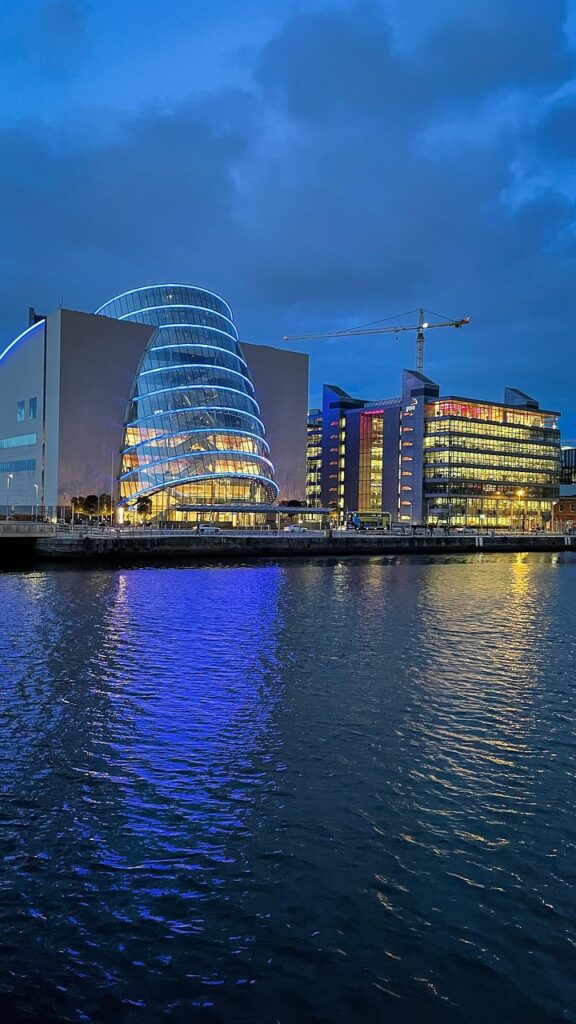





Introduction — Dublin beyond Temple Bar: why see the city another way
Dublin is often shorthand for Temple Bar: cobbled lanes, buzzing pubs and bright tourist neon. But the real soul of Ireland’s capital lies outside that busy pocket. Dubliners live, work and meet across a patchwork of neighborhoods with distinct personalities — local markets, specialty cafés, historic parks, wild coastal stretches, artisan workshops and pubs where trad music happens naturally, not on cue. This guide invites you to discover ten authentic areas, all easy to reach from the centre, that paint a truer, more nuanced portrait of the city.
In the numbered sections below you’ll find immersive descriptions, exact addresses, approximate prices in euros and practical opening times to plan your visits. I’ve also added local tips (best times to avoid crowds, must-try local dishes, transport options) so you can build coherent, discovery-filled days. Whether you love city walks, historical routes, food, street photography or seaside views, these neighborhoods are great alternatives to the tourist hubbub downtown.
This guide is aimed at independent travelers as well as return visitors who want to see Dublin in a different light. The addresses and opening hours reflect public information available when this was written; prices are indicative and may change (special offers, events). For each neighborhood I’ve picked one or two standout spots — cafés, museums, parks or pubs — plus routes and tips to make the most of your time. Comfortable shoes are recommended: Dublin is best explored on foot or by bike, and the charm of its streets and façades rewards a slow pace.
Before you start: remember the famously changeable weather — a light raincoat and sturdy shoes will serve you well. If you’ll be using public transport, get a Leap Card to cut fare costs on buses and the Luas tram; for coastal trips (Howth, Malahide) check DART train schedules. And be respectful: some neighbourhoods are residential, and local friendliness relies on quiet and support for independent shops. Enjoy the discoveries!
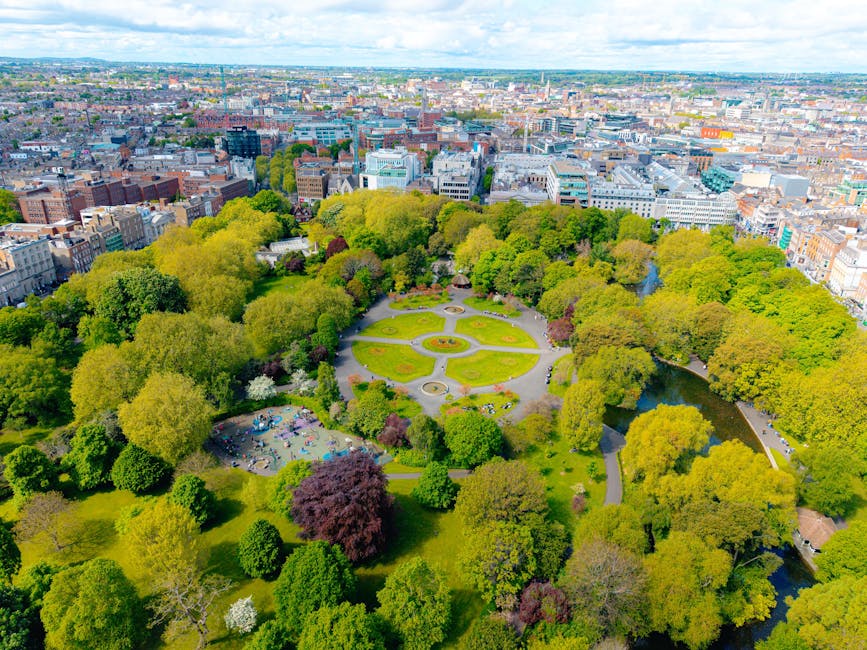
1. Stoneybatter — the village-like neighborhood at the heart of authentic Dublin
Stoneybatter, in northwest Dublin (postcode Dublin 7), is a perfect example of an urban village: low streets, independent shops and a growing food scene. Wander along Blackhall Place and Queen Street to admire colourful façades and discover cafés, microbreweries and small grocers. Handy address: Stoneybatter Market, Manor Street, Dublin 7 (opening times vary with regular events).
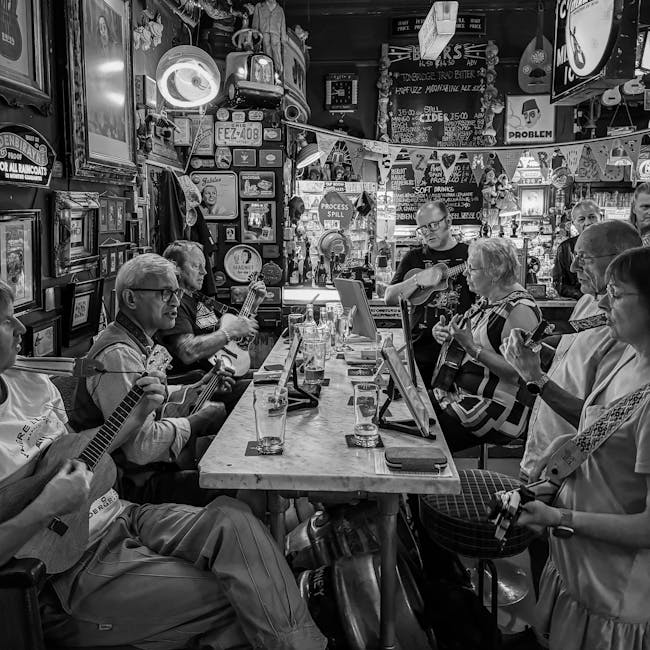
Don’t miss: The Gravediggers (McGowan’s), 1 Prospect Square, Stoneybatter, Dublin 7. Typical opening hours: Mon–Sat 12:00–23:00, Sun 12:00–22:30. Indicative prices: a local pint €5–€6, a simple meal €10–€18. This historic pub, next to Glasnevin Cemetery, is famed for its authentic atmosphere and impromptu trad music sessions. Local tip: arrive late afternoon for soft light and an evening music meet-up.
If you’re into specialty coffee, try Two Boys Brew at 26 Manor Place, Dublin 7. Hours: Tue–Sun 09:00–17:00. Espresso from €2.80, pastries €3–€5. Bakers and caterers in the area favour local produce — great for a picnic in the small nearby parks.
Practical tips: Stoneybatter is walkable from Heuston Station (15–20 minutes) or reachable by Luas tram (Smithfield stop). It’s an excellent starting point if you want to combine history (Kilmainham Gaol) with food discoveries.
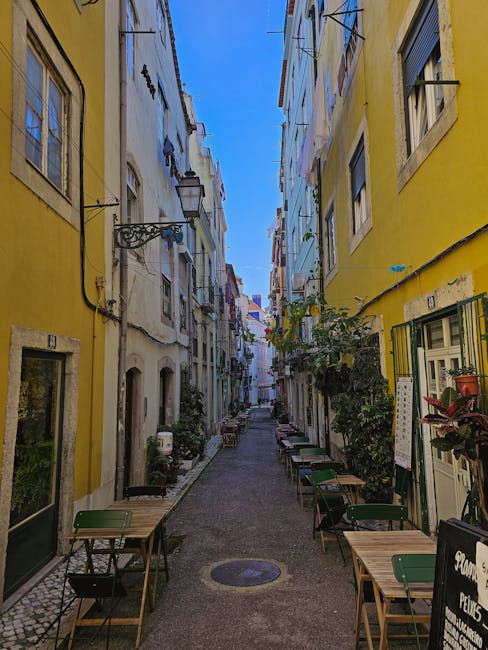
2. Smithfield and North Docklands — markets, museums and industrial design
Smithfield, northwest of the centre (Smithfield Square, Dublin 7), has been revitalised in recent years while keeping its industrial edge. The Smithfield Square is lined with bars, restaurants and craft markets. A cultural must-see: EPIC The Irish Emigration Museum, CHQ Building, Custom House Quay, Dublin 1. Opening times: daily 10:00–17:30. Prices: adults around €17–€19, concessions for students/seniors €13–€15.
The Smithfield Market runs regularly on the square; fresh produce prices vary by stall (artisan bread €3–€5, local cheese €6–€12 per portion). Nearby, Teeling Whiskey Distillery, 13–17 Newmarket, Dublin 8, offers tours and tastings. Guided tour hours: Tue–Sun 10:00–17:00, tour + tasting roughly €20–€25 per person. Booking recommended.
The Docklands, east of Smithfield, reveal another face of Dublin: modern towers, riverside promenades and designed public spaces. Recommended stroll: from the CHQ Building to the Samuel Beckett Bridge for striking river views. For lunch try J.W. Sweetman, 4–6 Francis Street, Dublin 8 (bistro & brewery), dishes €12–€22, typical hours 12:00–22:30 depending on the day.
Local tips: on Sunday mornings the Smithfield Sunday Market serves handmade goods and vintage finds. Photographers will love the morning light on the metallic façades of the Docklands. Note: some shops close early on Sundays.
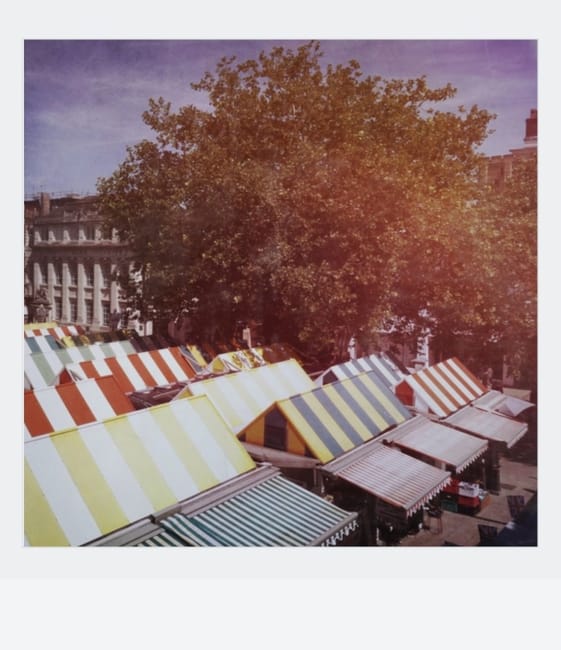
3. Kilmainham and The Liberties — industrial memory and major museums
Kilmainham and the neighbouring Liberties (Dublin 8) are essential for anyone interested in modern Irish history. The unmissable site is Kilmainham Gaol, Inchicore Road, Kilmainham, Dublin 8. Tours run daily, with the first tours from around 09:30 and the last tours usually between 16:00–17:00 (seasonal variation). Price: adults about €8–€12, with reduced rates for students and seniors. Booking strongly recommended in peak season.
Nearby, the Guinness Storehouse (St. James’s Gate, Dublin 8) draws visitors with its immersive tour and a pint at the Gravity Bar with city views. Opening times: typically 09:30–19:00 depending on season; prices: admission from €28 for adults (online booking advised). For a less commercial but equally local experience, wander the Liberties’ lanes where you’ll find vintage shops, artisan studios and cafés. A local hub: The Liberties Market, Newmarket, Dublin 8.
Recommended walk: head from Kilmainham Gaol toward Phoenix Park (enter via South Circular Road) and admire old brewery façades and restored warehouses. For an authentic meal, try The Bernard Shaw, 115 Richmond Road, Dublin 3 (a bit further out but popular with locals for its quirky pizzas and craft beer selection). Pizza €10–€15, often open until 23:00.
Local tip: avoid peak hours at Kilmainham Gaol and pick late afternoon for warm light on the old stone. If you enjoy urban art, look for murals along Cork Street and Newmarket.
4. Ranelagh and Rathmines — elegant residential spots and great food
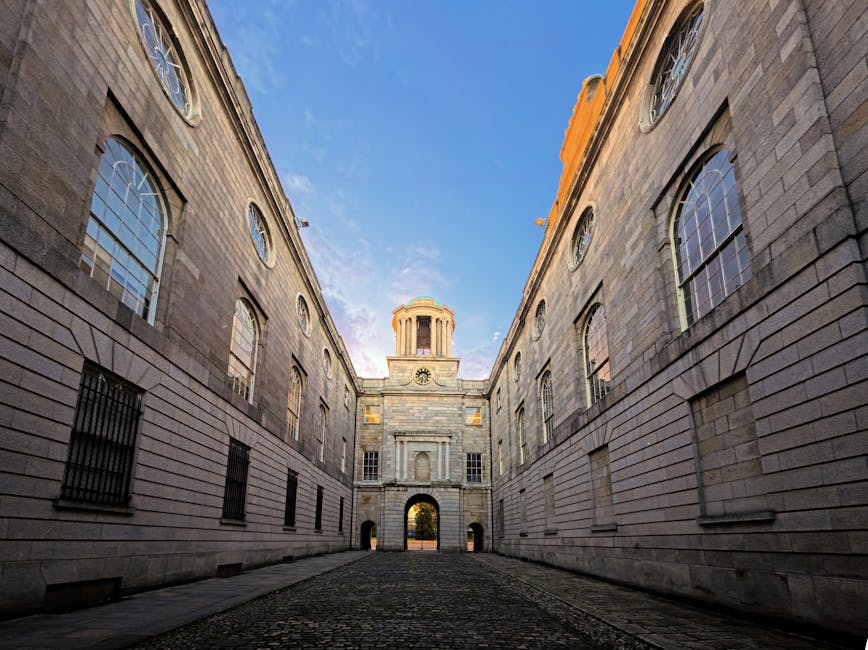
Just a few Luas stops from the centre, Ranelagh (Dublin 6) and Rathmines (Dublin 6) are favoured by locals for their dining and quality shops. Ranelagh Village centres around Ranelagh Road with cafés, bookshops and delicatessens. Key spots: Ranelagh Market (occasional events) and Ranelagh Library, 95 Ranelagh, Dublin 6.
For lunch try Forest Avenue at 2 Castlewood Ave, Ranelagh, Dublin 6 for seasonal dishes; lunchtime menus around €12–€20. Hours: 12:00–22:00 depending on the day. In Rathmines visit the Rathmines Market (Rathmines Road Lower) for fresh produce; the area also hosts the Rialto cinema, 1 Lower Rathmines Road, an art-house cinema showing a varied programme.
The vibe here is unmistakably local: parents pushing prams, retirees enjoying tea and young professionals at the bistros. For a tasty treat try Hugo’s, 3 Rathmines Road Lower, for brunch (prices €10–€18). Independent shops sell clothing, accessories and Irish artisan goods.
Local tip: Ranelagh is perfect for a rainy afternoon curled up in a specialty coffee shop, while Rathmines is great for a cinema night followed by dinner. Parking can be limited; opt for the Luas or bus instead.
5. Merrion, Fitzwilliam and Ballsbridge — museums, parks and Georgian elegance
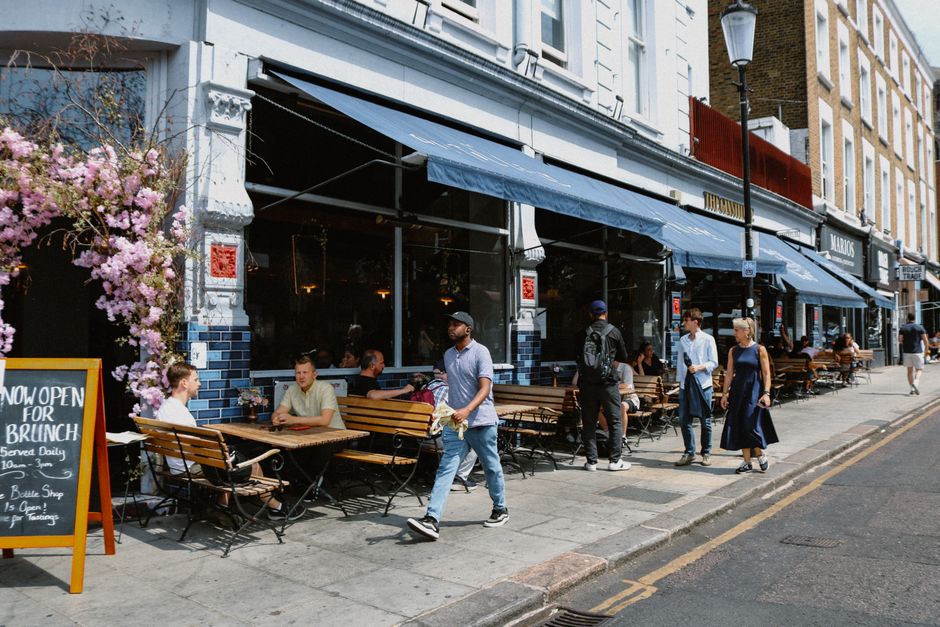
Southeast of the centre, the areas around Merrion Square and Fitzwilliam Square are perfect for elegant strolls between Georgian gardens and cultural institutions. Major address: National Gallery of Ireland, Merrion Square West, Dublin 2. Opening times: Wed–Sat 09:30–17:30, Sun 13:00–17:30; free entry to permanent collections, temporary exhibitions usually charged (often €6–€12).
Merrion Square (Merrion Square North, Dublin 2) is a public garden surrounded by Georgian townhouses — ideal for a picnic. Nearby is the Museums Building — Natural History Museum, Merrion Street, Dublin 2 (often free entry). Ballsbridge is a more residential, diplomatic district (nearby: the Aviva Stadium, Lansdowne Road, Ballsbridge, Dublin 4 — a venue for sports events and concerts).
Recommended restaurants: The Winding Stair, 40 Lower Ormond Quay (on the edge of this area), for modern Irish cooking — dishes €15–€30 depending on the menu. For a more intimate experience, explore the tearooms around Fitzwilliam Square. Practical tip: visit museums in the morning to avoid groups and pre-book tickets for temporary exhibitions.
Local tip: this area is ideal for a cultural day combining a museum, a leisurely lunch and a walk in the park — check exhibition times and possible musical events at the National Concert Hall (Ely Place, Dublin 2).
6. Portobello and South Circular Road — canals, cafés and bohemian vibes
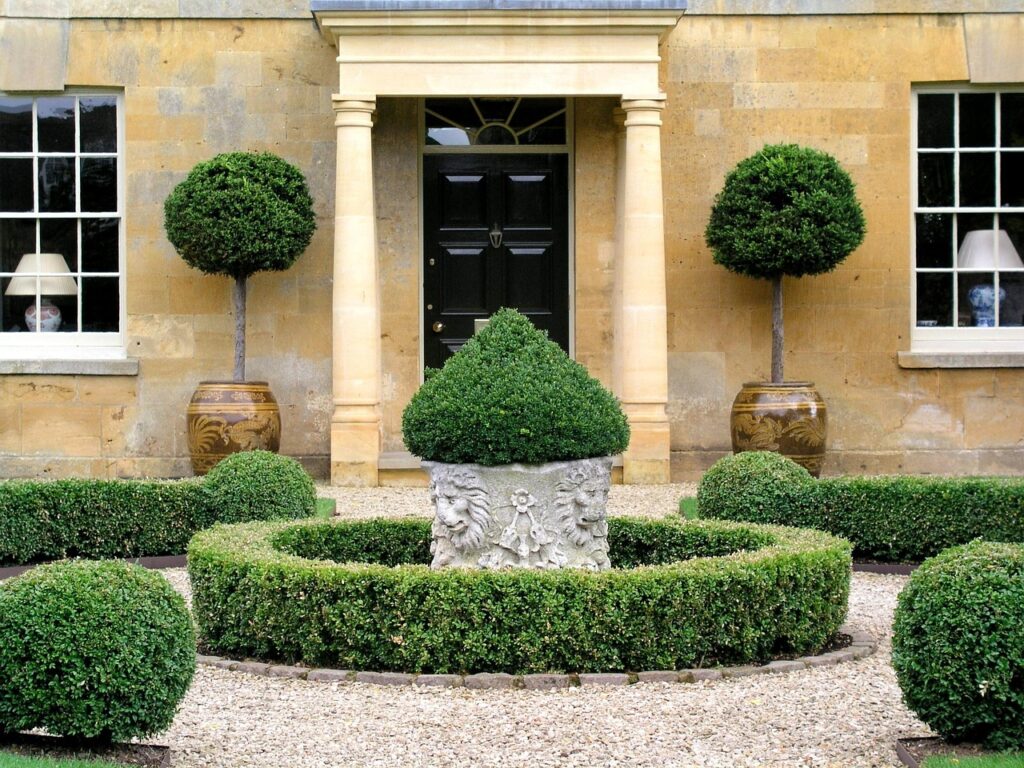
Portobello, tucked along the Grand Canal (south side), is a charming, slightly bohemian neighbourhood popular for its cafés, second-hand shops and small galleries. Recommended walk: along the Grand Canal between Portobello Bridge and Charlemont Bridge. Landmark: Sharpes Bar & Kitchen, 16 South William Street (nearby), although many cafés line Portobello Road itself.
For specialty coffee try Two Pups Coffee, 18 South Richmond Street, Dublin 2 — espresso from €2.50. Portobello also has tiny bookshops and delicatessens. The area is particularly lovely at sunset when the light shimmers on the canal’s surface.
Nearby, the South Circular Road offers a variety of multicultural restaurants — dishes from around €10 to €25. For a night out, look for pubs with live music in side streets; the atmosphere tends to be relaxed and far from touristy.
Local tip: the canal banks are great for urban photography; watch out for cyclists and keep to walking or cycling on the narrow paths.
7. Howth — coastal village, cliffs and fresh seafood
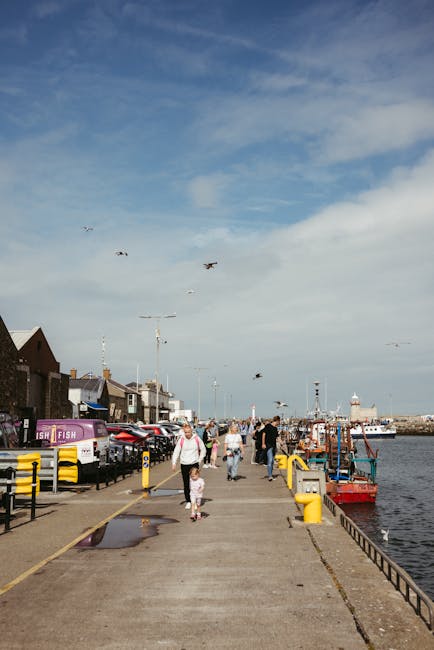
For a seaside escape reachable from the centre, take the DART to Howth (Howth Station, Harbour Road, Howth, Co. Dublin). Journey time: about 25–35 minutes from Dublin Pearse Station. Howth is a picturesque fishing village with a lively harbour, coastal paths and seafood restaurants.
Recommended walk: the Howth Cliff Walk, with several route options (pier-to-headland loops) offering panoramic views over the Irish Sea. Many routes start close to the harbour: Howth Harbour, Harbour Road, Howth, Co. Dublin. For local dining try Aqua Restaurant at Howth Harbour for fine dining (dishes €25–€50) or the classic fish & chip stalls on the quay (portions €8–€15).
Times and prices: the walks are free; if you want a boat trip to see seals or seabirds, tours depart from the main quay (Howth Harbour) — roughly €10–€20 per person depending on duration. Tip: visit Howth on a weekday to avoid weekend crowds, and dress in layers — it can be windy.
Local tips: the Sunday market offers artisan and food stalls; if you rent a bike, take care on coastal paths. How to get there: DART from Pearse, Connolly or Tara Street; you can pay with a Leap Card or single DART ticket.
8. Malahide and Portmarnock — beach, castle and gardens
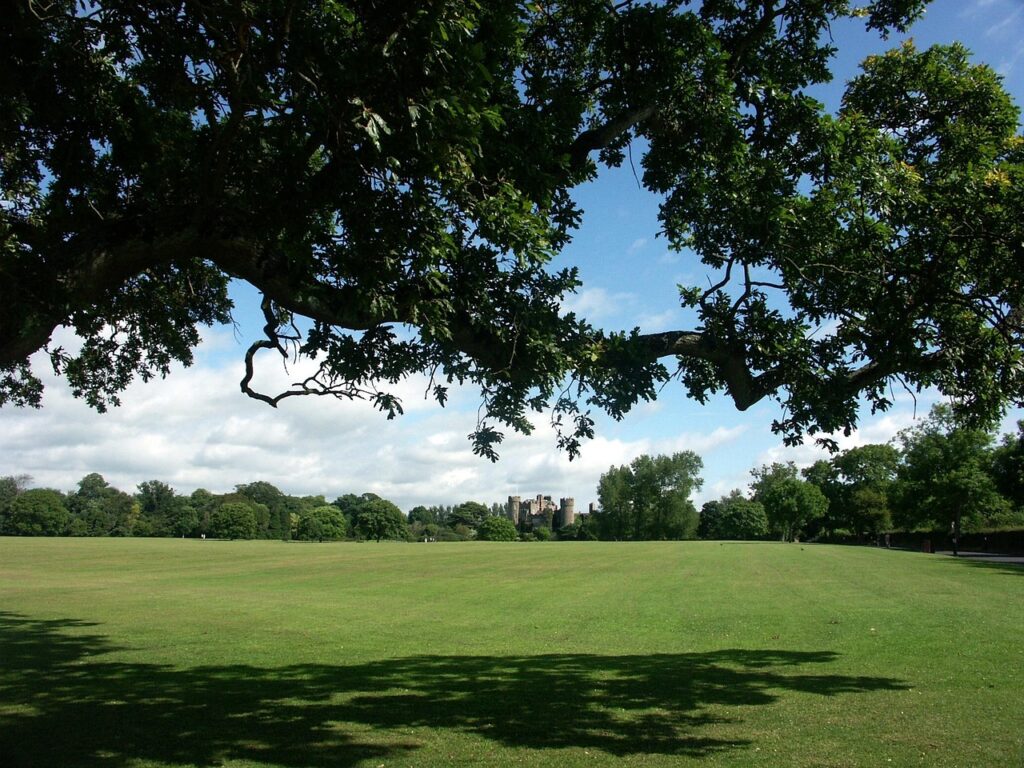
Malahide, north of Dublin, is a popular coastal day trip (station: Malahide Station, The Mall, Malahide, Co. Dublin). Key attraction: Malahide Castle & Gardens, Malahide Demesne, Malahide, Co. Dublin. Hours: usually 10:00–17:00 (seasonal). Price: adults around €7–€10 for the castle and gardens (family and concession rates available).
The village has cafés and restaurants clustered around the quay and a long coastal promenade. Nearby Portmarnock boasts a sandy beach (Portmarnock Beach), ideal for a sunset walk. Access: DART from Dublin — journey about 25–30 minutes.
Activities: tour the castle gardens, relax on the beach, enjoy fresh fish at harbour restaurants. For golfers, Portmarnock Golf Club (The Island, Portmarnock, Co. Dublin) is famous; green fees vary (often high outside peak season). Tip: combine Malahide and Portmarnock in a half-day trip — start at the castle and finish with a beach walk.
Local tip: an artisan market often runs on Saturday mornings; bring a windbreaker for the beach. Check castle opening times online if you’re visiting off-season.
9. Glasnevin and Phibsborough — museums, the national cemetery and alternative cafés
Glasnevin, north of the centre (Prospect Road, Glasnevin, Dublin 11), is steeped in history. The focal point is the Glasnevin Cemetery Museum, Prospect Road, Glasnevin, Dublin 11. Hours: guided tours typically run daily 10:00–17:00; price: adults around €8–€10, with reductions for students and seniors. The museum’s guided tours tell the social and republican history of Ireland.
Just south is Phibsborough, home to independent cafés and small shops. Coffee hotspot: 3FE Bakery & Coffee, North Circular Road, near Phibsborough. Espresso €2.80–€3.20. For architecture and plant lovers, the National Botanic Gardens (Glasnevin) are free and worth a visit: Glasnevin, Dublin 9 — gardens open daily with seasonal hours (often 09:30–17:00).
Local tip: pair a cemetery tour with a wander through the botanic gardens for a full cultural day. Phibsborough is also a great place to find pubs with live music away from the usual tourist circuit.
10. Rathgar, Terenure and Grand Canal Dock — leafy residential streets and new creative hubs
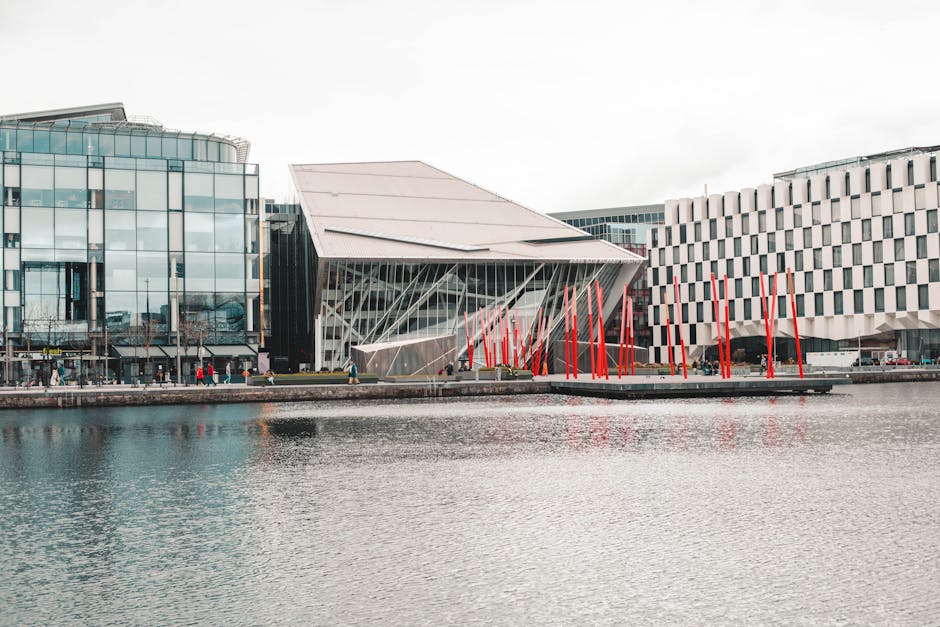
To finish the tour, explore the leafy southern neighbourhoods of Rathgar and Terenure, plus the modern Grand Canal Dock area to the east. Rathgar (Rathgar Village, Dublin 6) and Terenure (Terenure Road West, Dublin 6W) offer local shopping streets, delicatessens and small community theatres. The Grand Canal Dock (around Grand Canal Square, Dublin 2) is a newer hub: modern offices, waterside restaurants and lively public spaces.
Grand Canal Dock landmark: Grand Canal Square, Barrow Street, Dublin 2 (near the Bord Gáis Energy Theatre, 1–2 Barrow St, Dublin 4). The theatre hosts shows and concerts; times vary by programme and tickets generally range €20–€60 depending on the production. For a neighbourhood café in Rathgar try Fitzsimons Café, 10 Highfield Road, Rathgar, Dublin 6 — brunches €9–€16.
Grand Canal Dock is perfect for an evening out: a sunset stroll, dinner by the water (dishes €15–€35) and possibly a show at the Bord Gáis Theatre. Terenure and Rathgar offer a quieter, more everyday Dublin — perfect for sensing local life away from tourist routes.
Local tip: split a half-day between Grand Canal Dock (morning or late afternoon for the best light) and a walk in Rathgar before dinner. Public transport (buses and nearby Luas stops) serves these areas well.
Conclusion — planning time outside Temple Bar
Exploring Dublin beyond Temple Bar means slowing down and letting small surprises find you: a café window, a Georgian townhouse, a neighbourhood market or a colourful alley. The ten neighbourhoods here offer a complete palette: history (Kilmainham, Glasnevin), culture and museums (EPIC, National Gallery), village-like pockets in the city (Stoneybatter, Ranelagh), coastal escapes (Howth, Malahide), and new creative hubs (Smithfield, Grand Canal Dock). Each place deserves at least a half-day to be appreciated properly.
To plan your trip: choose a themed itinerary (for example history & museums; food & cafés; nature & coastline) to reduce transit time. Consider a Leap Card to optimise fares (prices and durations vary by card type), check museum and attraction opening hours (places like Kilmainham Gaol, Guinness Storehouse or Bord Gáis Theatre recommend booking ahead) and consult official sites for any exceptional closures. Prices in this guide are representative estimates: menus, tickets and tours can fluctuate — budget a little extra for tastings or workshops.
Final tips: talk to local shopkeepers — they often share secret spots; use markets to pick up handmade souvenirs; and if you’re photographing the city, plan sessions for morning or late afternoon light. Dublin is a human-scale city: take time to wander, stop in a pub to listen to music, buy a book in a neighbourhood bookshop and taste local specialties. Outside Temple Bar you’ll find a warmer, livelier, more authentic Dublin — full of stories and unexpected experiences.