





Introduction — Discover Inchicore: Crafts, Cafés and Dublin’s Industrial Heritage
Inchicore, a working-class neighborhood in southwest Dublin, often feels like a bridge between the city’s tourist buzz and the quieter authenticity of local life. Once the industrial heart of the Irish capital, Inchicore has long been linked to railway workshops, breweries and small factories that shaped the county’s urban and social fabric. Today the area blends that industrial legacy with an emerging craft scene, cozy neighborhood cafés and community initiatives that invite visitors to slow down, look closely and taste Dublin from a different angle.
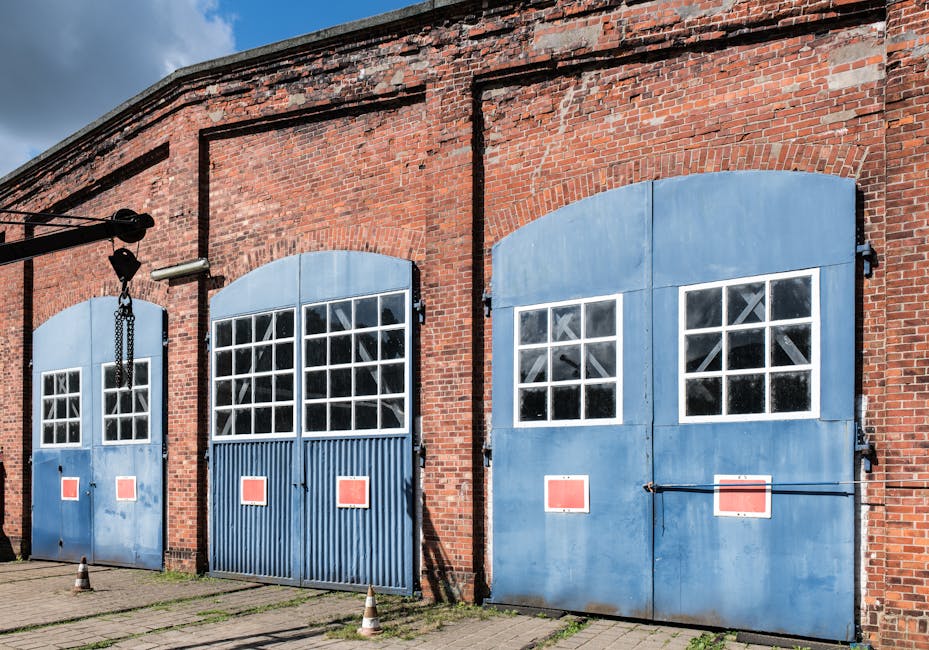
This guide is designed to help you explore Inchicore in a practical, immersive way. You’ll find exact addresses, opening times, rough prices in euros, detailed descriptions and local tips to make the most of anything from a half-day outing to a full day. Inchicore is especially well suited to a themed walk: artisan workshops and studios, cafés and rest stops, and industrial heritage landmarks. The backstreets, redeveloped brownfields and red-brick façades tell a working-class story that’s still tangible — particularly around the railway installations visible from Tyrconnell Road and Emmet Road.
Throughout this guide you’ll learn where to drink locally roasted coffee, which craft shops genuinely support Irish makers, how to view the remnants of the railway workshops, and which walks pair well with a foodie stop. You’ll also find practical advice: best times to visit (mornings for cafés, late afternoon for the light on former factories), how to get around (LUAS tram, bus, bike), and tips to save money while still enjoying the local offerings.
Inchicore isn’t a mass-tourism hotspot; its value lies in close-up experiences. Visitors who take the time to listen and look will leave with strong impressions: the smell of freshly ground coffee, the clack of a lathe in a workshop, the feel of a handmade ceramic piece. This guide proposes a balanced itinerary — mixing studios, cafés and heritage sites — so you can build your own day in Inchicore while respecting the neighborhood’s pace and identity.
Crafts and Studios — Where to Meet Local Makers and See Their Skills
Inchicore’s craft scene is made up of small-scale operations: pottery studios, textile ateliers, independent jewellers and repair workshops that keep industrial skills alive. A good starting point for anyone wanting to understand the link between industry and craft is Inchicore Railway Works (Inchicore Works), located on Tyrconnell Road. Address: Inchicore Railway Works, Tyrconnell Road, Inchicore, Dublin 8. Although it’s an operational Irish Rail site and not a museum open to the public at all times, you can admire the railway architecture from the surrounding streets and sometimes join guided visits run by local groups. Price: special tours roughly €8–€12 per person (varies by organiser); times: tours by appointment, often on weekends.
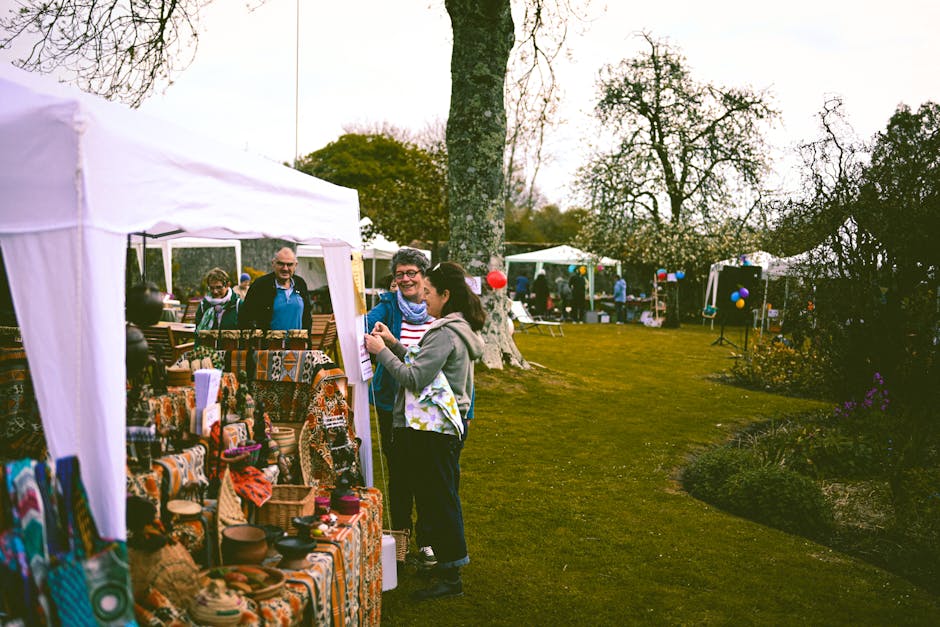
For direct encounters with makers, head to Inchicore Craft Studios, address: 19 Emmet Road, Inchicore, Dublin 8 (indicative address for a collective of studios). These collectives often host open studio days and workshop markets where you can buy items straight from the maker. Price: entry often free; handmade items: from around €10 for small pieces (keyrings, small ceramics) up to €150+ for unique works (large ceramics, artisan jewellery).
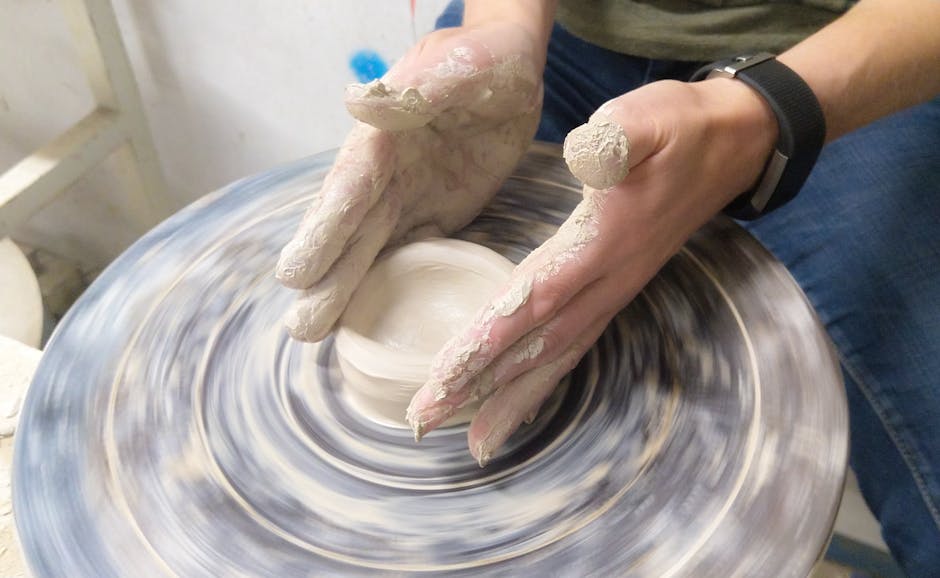
Among individual studios, look out for places like « Inchicore Pottery Studio » (address: 7 Tyrconnell Road, Inchicore, Dublin 8) — they offer wheel-throwing classes and beginner sessions. Intro workshop prices: €35–€60 for a 2–3 hour session; opening hours: typically Tuesday to Saturday, 10:00–17:00 (check online or by phone). Similarly, « Emmet Textile Workshop » (address: 32 Emmet Road, Inchicore, Dublin 8) runs weaving sessions and clothes repair workshops, fees around €25–€45 depending on duration.
Practical tips: bring cash for small purchases (many makers now accept cards but cash is appreciated), carry a reusable bag for fragile items, and contact studios in advance if you want to take a class. Best time windows are weekday mornings to avoid crowds and weekend afternoons to enjoy markets and open-studio events.
Cafés and Places to Eat — Coffee Breaks, Brunch and Good Local Food
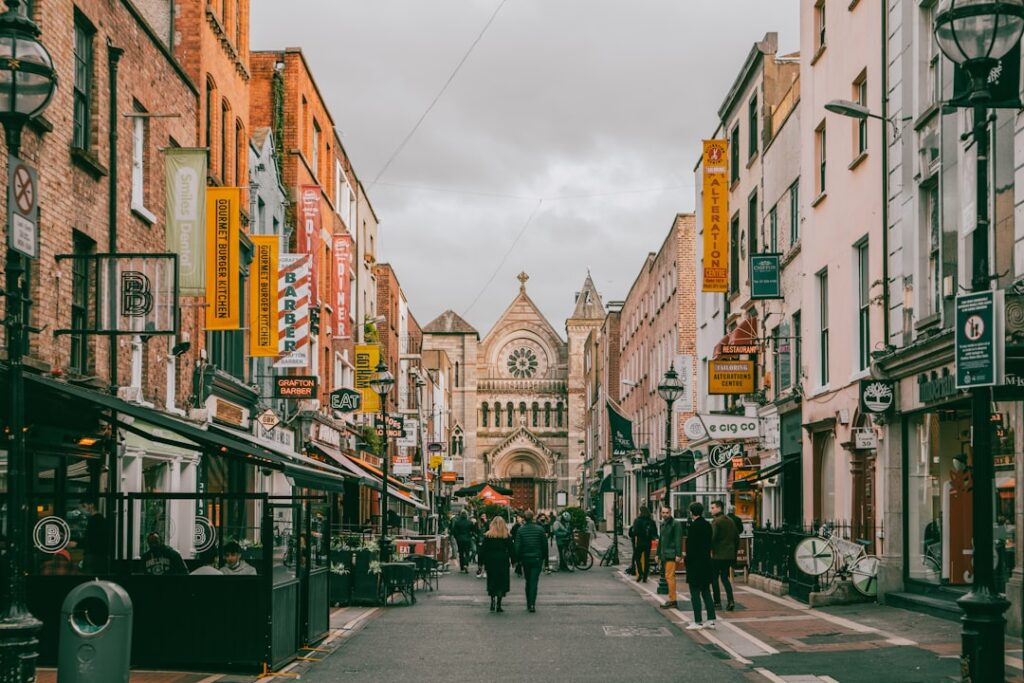
Inchicore has a small but authentic café and local dining scene — perfect for a break after visiting studios. Start at The Bluebird Coffee House, address: 12 Emmet Road, Inchicore, Dublin 8. Specialties: espresso, flat white, homemade pastries. Prices: espresso from €2.60, flat white €3.40, scone or pastry €2.50–€3.80. Opening hours: Monday–Friday 08:00–16:30, Saturday 09:00–16:00, closed Sunday. Vibe: a cosy corner spot with wooden tables, plug sockets and free Wi‑Fi — ideal for planning the rest of your visit.
For a hearty brunch with local ingredients, try The Forge Café, address: 45 Tyrconnell Road, Inchicore, Dublin 8. The menu focuses on seasonal, locally sourced produce: savoury porridge, scrambled eggs on house-baked bread, and vegetarian options. Prices: full brunch €10–€14, coffee €3–€4. Hours: Saturday–Sunday 09:00–15:00, weekdays 08:30–15:00.
If you’re after a social, community atmosphere, head to The Gutter Bookshop Café & Community Hub (address: 2 Castle Avenue, Inchicore, Dublin 8). Small but lively, this bookshop-café highlights local authors and hosts readings and writing workshops. Prices: drinks from €2.80, event entry varies (€5–€12). Hours: Wednesday–Sunday 10:00–17:00, closed Monday–Tuesday.
Foodie tips: for specialty coffee, favor weekday mornings (shorter queues), and take time to watch the friendly exchanges between locals and baristas — the neighborhood vibe is part of the experience. If you want to buy artisanal goods (bread, jams, pastries) for later, ask staff which local producers they support — it’s a great way to back the local economy.

Industrial Heritage — Walks, Points of Interest and the Memory of Work
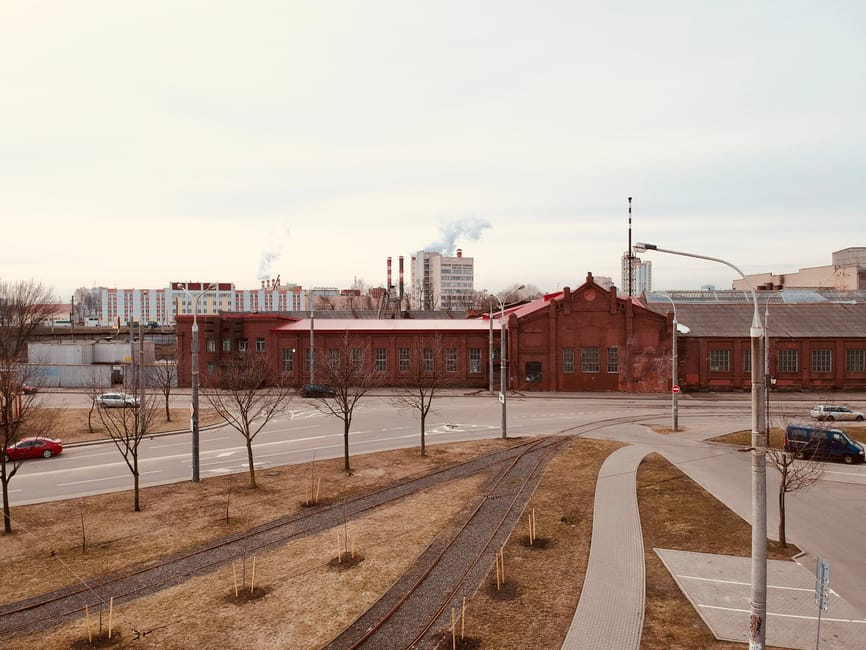
Inchicore’s industrial heritage is visible in its long red-brick terraces, sheds and, above all, the remains of the railway workshops around Tyrconnell Road. To get a feel for this past, start with a walk along the Grand Canal Dock and South Circular Road toward the Inchicore Railway Works. Address (view from outside): Tyrconnell Road, Inchicore, Dublin 8. The stroll offers views of former workshops, tracks and ancillary buildings that have been repurposed as community spaces or housing.
Another spot worth visiting is Richmond Barracks (technically close by, on South Circular Road), address: Richmond Barracks, South Circular Road, Dublin 8. The site tells stories from the Irish revolutionary period and hosts permanent exhibitions. Price: free access to outdoor spaces and some exhibits; guided tours and special events cost around €6–€10. Opening hours: typically 09:30–16:30, closed on some public holidays — check before you go.
St. Michael’s Row and the local forge offer a glimpse into 19th- and 20th-century working and religious life. The chapel and workers’ cottages retain period architectural details such as stone lintels and small-pane windows. These features are best appreciated on a local guided walk — community groups in Inchicore sometimes run history tours (usually low-cost, around €5–€8).
Visiting tips: wear comfortable shoes and, depending on the season, bring a windproof jacket — areas near the tracks can be breezy. Respect private property and follow signage: while many buildings are visible from the street, some locations remain active workplaces. To dive deeper, check Richmond Barracks’ temporary exhibitions or join a walk organised by a local history group.
Practical Tips and Transport — Getting Around and Making the Most of Your Visit
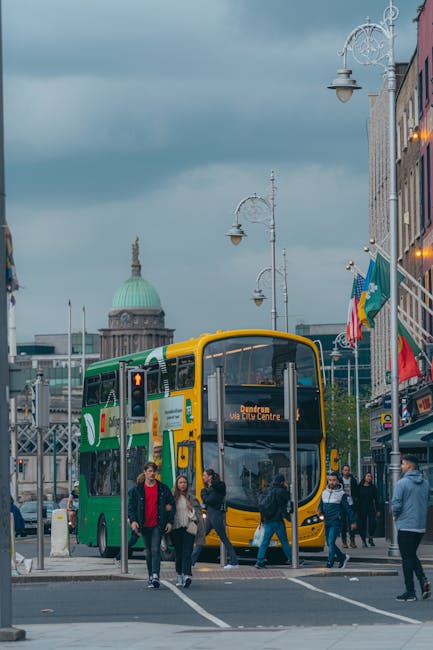
Getting to Inchicore is straightforward from central Dublin. The area is served by several bus lines (notably Dublin Bus routes 13, 68, 79) and by the LUAS tram (closest stops: Bluebell or Suir Road depending on your route). From Heuston Station, expect about 15–20 minutes by bus or 25–30 minutes on foot (depending on pace).
If you prefer cycling, many cycle lanes connect Inchicore to the city centre. DublinBikes has docks on the outskirts; check availability via the app. For car parking, residential streets often have pay-and-display bays: indicative rates €1.20–€2.00/hour depending on the zone; always check meters and parking signs.
Hours and budget: most cafés open between 08:00 and 09:00 on weekdays and close between 16:00 and 18:00; at weekends times often shift to favour brunch service. Studios and workshops usually list hours of 10:00–17:00 but it’s wise to call or check their social pages for open-studio days. For a full visit (studios + coffee + heritage walk) budget around €25–€60 per person depending on purchases and whether you join paid workshops.
Local tips:
- Book ahead for workshops and guided tours — spots are often limited.
- Ask for recommendations from café staff — they know the makers and events in the neighbourhood.
- Keep noise down: Inchicore is residential; enjoy the visit without excessive noise.
- Visit during the week for a more intimate experience, or on Sunday to catch local markets.
Conclusion — Why You Should Include Inchicore in Your Dublin Itinerary
Inchicore deserves a spot on any itinerary that aims to go beyond Dublin’s tourist clichés. The neighbourhood offers a rare combination: an industrial past still readable in brick and steel, a craft scene that draws on those roots to make contemporary objects, and neighborhood cafés where a break becomes an exchange with locals. By visiting Inchicore you support local initiatives, discover trades and stories often missing from typical routes, and enjoy a pace much gentler than the city centre.
To get the most out of your visit, plan a day that mixes workshops, a coffee break and a heritage walk. Contact studios in advance if you want hands-on sessions, and check opening hours for sites such as Richmond Barracks and collective studios. Prices are accessible: coffee from €2.60, intro workshops from €25, and heritage walks often around €5–€12 — reasonable spending for a rich, authentic local experience.
Finally, keep your eyes open: Inchicore is constantly evolving — new studios, markets and community events pop up regularly. Ask shopkeepers for their tips, explore the side streets, and take the time to appreciate the neighbourhood’s textures — brick, metal, wood — which tell Dublin’s long history of work. Inchicore isn’t just another box to tick on a travel list: it’s an experience to be savoured slowly, guided by the scent of coffee and the sound of tools at work.