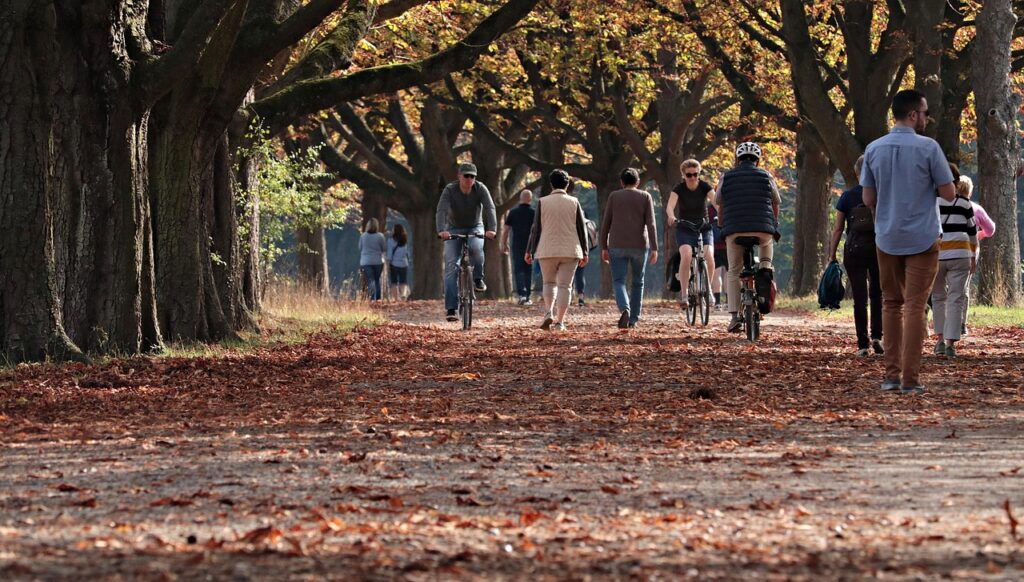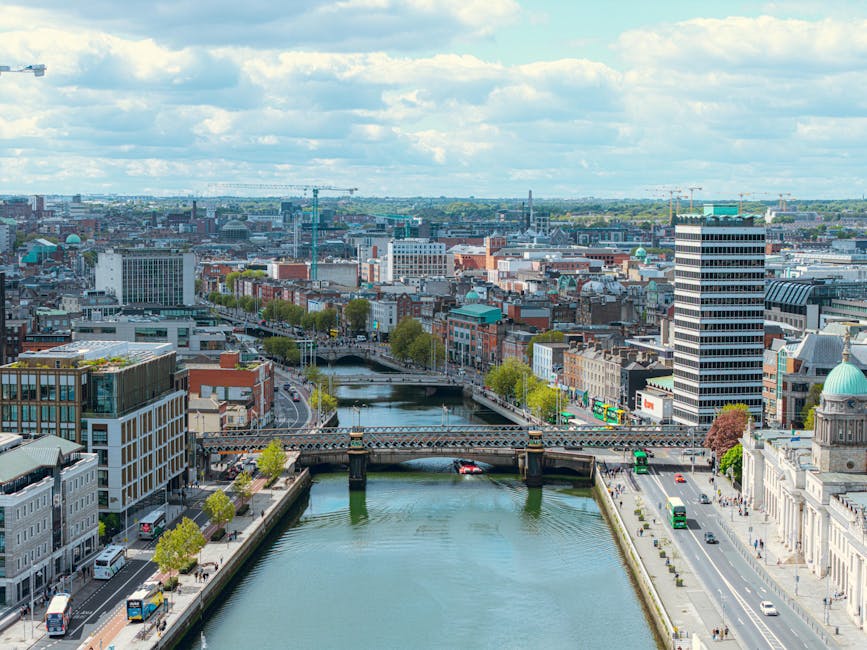






Introduction — Bus, Luas or Bike in Dublin: Which Transport Is Best to Explore the City?
Dublin is a compact, lively city where every neighborhood has its own vibe: the bustling streets around Grafton Street, the wide lawns of Phoenix Park, the industrial façades and cafés of Grand Canal Dock, and the historic lanes around Trinity College. For a visitor, the choice of how to get around shapes the whole experience: taking the bus (Dublin Bus) gives you an urban panorama and connections to suburbs and the airport; hopping on the Luas (the modern tram) is often faster and more predictable in the city centre; renting a bike through the public scheme (Just Eat Dublin Bikes) lets you stop freely and reach areas the tram doesn’t serve. Each option has pros, cons and costs — and understanding the differences will help you plan a smoother, more enjoyable trip.
This practical, professional and detailed guide helps you compare these three options across several criteria: speed, cost, luggage-friendliness, safety, accessibility and local immersion. You’ll find concrete details: full names of places and stations (Heuston Station, Dublin Airport, Busáras), exact addresses, price ranges in euros, typical operating hours, and local tips to optimize your travel — when to get a Leap Card, how to avoid rush hour, where to find a Dublin Bikes station, and how to combine Luas and walking for an ideal route.
The guide is designed to be immediately useful: sample journeys (airport to city centre, from one attraction to another), recommendations by traveler type (in-a-hurry, on a tight budget, keen walker), and practical tricks (official apps, ticket validation, useful numbers). It also includes landmark addresses to help you orient quickly: Busáras — Store Street, Dublin 1; Heuston Station — St John’s Rd West, Dublin 8; Connolly Station — Amiens Street, Dublin 1; St. Stephen’s Green — St Stephen’s Green North, Dublin 2; Grand Canal Dock — Grand Canal Square, Dublin 2.
Finally, this guide illustrates each way of getting around with concrete scenarios: a half-day combining Luas and walking between Trinity College (College Green, Dublin 2) and Phoenix Park (Parkgate Street, Dublin 8), a museum day by bus covering the National Museum of Ireland — Archaeology (Kildare Street, Dublin 2) and Kilmainham Gaol (16 Inchicore Road, Dublin 8), or a bike route along the Grand Canal to the trendy docklands. Mental pictures, safety tips and seasonal advice (rain, wind, festivals) will help you pick the mode that best suits your stay.
One essential reminder before you start: schedules and fares change. The information below is based on typical Dublin practice (2023–2024). For exact daily times, fare updates and network maps, check Dublin Bus (www.dublinbus.ie), Luas (www.luas.ie) and Just Eat Dublin Bikes (https://www.dublinbikes.ie) or use the Transport for Ireland app. Now let’s dive into each option in detail so you can choose with confidence.
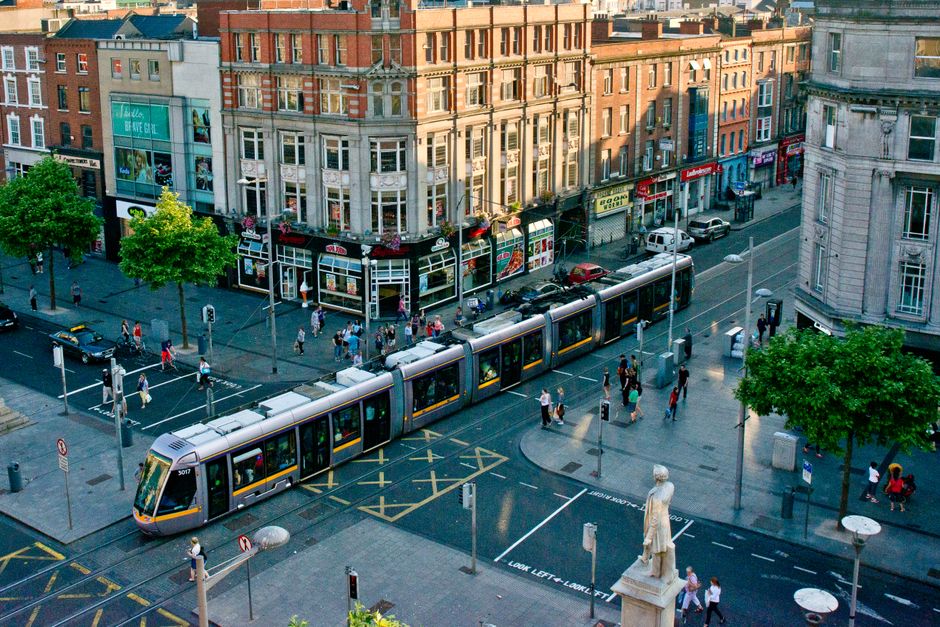
Dublin Bus: wide coverage and extra flexibility for city and suburbs
Dublin Bus is the main bus network serving the city and greater suburbs. Lines leave from major hubs like Busáras (Store Street, Dublin 1, D01 A6P8), Heuston Station (St John’s Rd W, Dublin 8, D08 R8D3) and Connolly Station (Amiens St, Dublin 1, D01 K8F5). Buses are the best option if you want to reach places the Luas doesn’t serve, such as Kilmainham Gaol (16 Inchicore Road, Dublin 8), Dublin Zoo in Phoenix Park (Phoenix Park, Dublin 8), or Howth (about 40–50 minutes from the centre).
Hours: most regular routes run roughly from 05:00 to 00:30 on weekdays, with variable frequencies — key central routes (e.g. 16, 14, 46a) every 6–15 minutes during the day; quieter neighbourhood routes usually every 30–60 minutes. For late-night travel, check Nitelink services and 24‑hour lines (some core routes like the 41, 16 or 39 may run later). Timetables differ by route and day (reduced Sunday service). Check schedules on the app or the Dublin Bus website.
Fares: Dublin Bus accepts cash (coins and notes) but using a Leap Card is strongly recommended to save money and speed up boarding. Approximate fares:
- Cash payment (single): generally between about €2.00 and €4.65 depending on distance and time (inner-city zones are cheaper than suburban routes).
- Leap Card: gives a significant discount; frequent trips typically drop the per-journey cost to around €1.50–€2.50 depending on distance and whether you benefit from daily caps.
- Airlink 747 (airport shuttle): direct service Dublin Airport — City Centre (Spencer Dock for Connolly or Busáras, and O’Connell Street): roughly €7.00 one-way, return fares often around €12.00; runs 24/7 with improved frequency early/late.
Comfort and accessibility: buses are equipped for passengers with reduced mobility (ramps and low floors). Some vehicles are modern with Wi‑Fi and USB ports, but quality varies by route and vehicle age. Major stops (e.g. O’Connell Street, Busáras, Parnell Square) are well signed; apps like Google Maps or the RTPI (Real Time Passenger Information) give arrival times and disruption alerts.
Local tips:
- Board through the front door and pay/validate on entry. Carry change if you don’t have a Leap Card; drivers often can’t give change for large bills.
- Avoid the 16 during rush hours (08:00–09:30 and 16:30–18:30) if you’re carrying luggage; prefer the Airlink shuttle for airport transfers.
- If you plan several trips in a day, get a Leap Card (available at stations, Luas stops and retail outlets) — it pays off quickly.
- For a museum outing that includes the National Museum (Kildare Street, Dublin 2) then Kilmainham, check routes 13 or 13a and allow 20–30 minutes between key stops.

Luas (tram): speed, simplicity and clear routes in the city centre
Luas is the light rail tram network with two main lines: the Red Line (east‑west linking Tallaght/Saggart to The Point/Connolly) and the Green Line (from the south‑west, Bride’s Glen/Brierley, into the centre, terminating at St Stephen’s Green/College Green). Key stops include Heuston (Heuston Station, St John’s Rd W, Dublin 8), Smithfield (Smithfield Square, Dublin 7), Abbey Street (near O’Connell Street), St. Stephen’s Green (St Stephen’s Green North, Dublin 2), and Grand Canal Dock (Grand Canal Square, Dublin 2).
Hours: Luas generally runs from around 05:30 until about 00:30 on weekdays, with high frequency at peak times (every 3–5 minutes on central sections) and longer intervals late at night and very early morning. The service is reliable and much less affected by road traffic than buses because trams mostly run on dedicated tracks.
Fares: Luas fares depend on how many zones you travel through. Practical info:
- Single adult fare (approx.): between €2.10 and €3.30 depending on distance (indicative prices). Using a Leap Card reduces the cost per trip.
- Tickets: buy from vending machines at each stop (card or cash) or tap your Leap Card before boarding. Day passes and multi‑day options are available via the Leap Card.
Why choose the Luas:
- Predictability — regular departures and fewer traffic-related delays.
- Great for quickly reaching Temple Bar, Abbey Street, St. Stephen’s Green, Trinity College and Grand Canal Dock.
- Comfort — modern trams with space for buggies and bikes (subject to time and occupancy).
Practical route examples:
- From Heuston Station (St John’s Rd W, Dublin 8) to Connolly Station (Amiens St, Dublin 1) via the Luas Red Line is straightforward, or you can connect via DART depending on timing — handy for linking national trains and tram lines.
- From St. Stephen’s Green (St Stephen’s Green North, Dublin 2) to Grand Canal Dock (Grand Canal Square, Dublin 2): a quick ride on the Green Line followed by a pleasant walk along the docks, cafes and tech offices.
Local tips:
- Always validate your ticket before boarding: checks are frequent and fines for travelling without a validated ticket can be steep.
- Avoid peak hours if you’re travelling with a group and luggage — trams fill up (08:00–09:30 and 16:30–18:30).
- For an iconic photo spot, get off at Abbey Street or St. Stephen’s Green; you can then walk the pedestrianised area around Grafton Street.
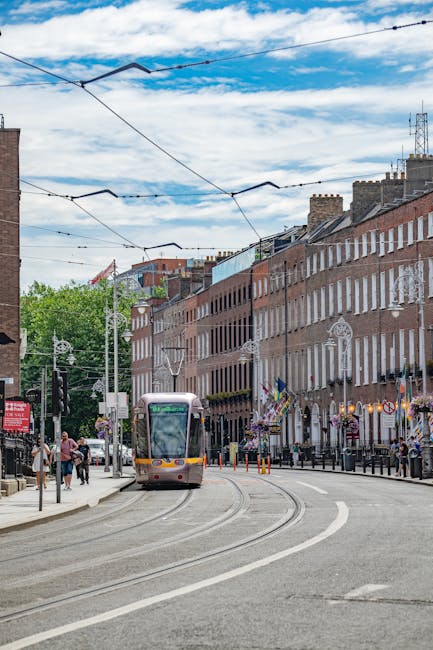
Just Eat Dublin Bikes (bike share): freedom, immersion and exercise at the city’s pace
The public bike scheme, branded Just Eat Dublin Bikes, is one of the most efficient ways to see Dublin when the weather cooperates. With docking stations across the centre and neighbouring districts — Trinity College (College Green, Dublin 2), Grafton Street (Grafton St, Dublin 2), O’Connell Street (Dublin 1), Grand Canal Dock (Grand Canal Square, Dublin 2), and Phoenix Park (Parkgate Street, Dublin 8) — you can chain together visits while cycling along canals, parks and shopping streets.
How it works and passes: there are short-term options geared to tourists:
- 3‑day pass: a small activation fee (often around €5.00) giving free rides up to 30 minutes; charges apply beyond that in progressive steps (e.g. €1.50 for 30–60 minutes — indicative rates).
- Annual pass: for longer stays or residents (usually around €35–€40 depending on season).
- Availability: check bike and docking availability via the official app or website (dublinbikes.ie) so you don’t arrive at an empty or full station.
Hours: the system is available 24/7 — however station stock and safety at night vary; most tourists use it between 07:00 and 21:00 to enjoy the best light and traffic conditions.
Advantages:
- Local immersion — you’ll ride through streets, spot small cafés and façades you’d miss on a tram or bus.
- Flexibility — free stops, impromptu detours and access to the Grand Canal banks and Phoenix Park cycle routes.
- Speed over short distances — often quicker than waiting for a bus or tram for trips of 1–4 km.
Disadvantages:
- Weather — Dublin is known for showers and wind: a light waterproof and a windproof layer are essential.
- Safety and infrastructure — while cycle lanes are improving, some streets are still shared with cars; beware of trucks and tram tracks, which can be hazardous for bike wheels.
- Luggage — not practical with large suitcases.
Local tips:
- Stick to short rides (15–25 minutes) to avoid extra charges once the free period ends.
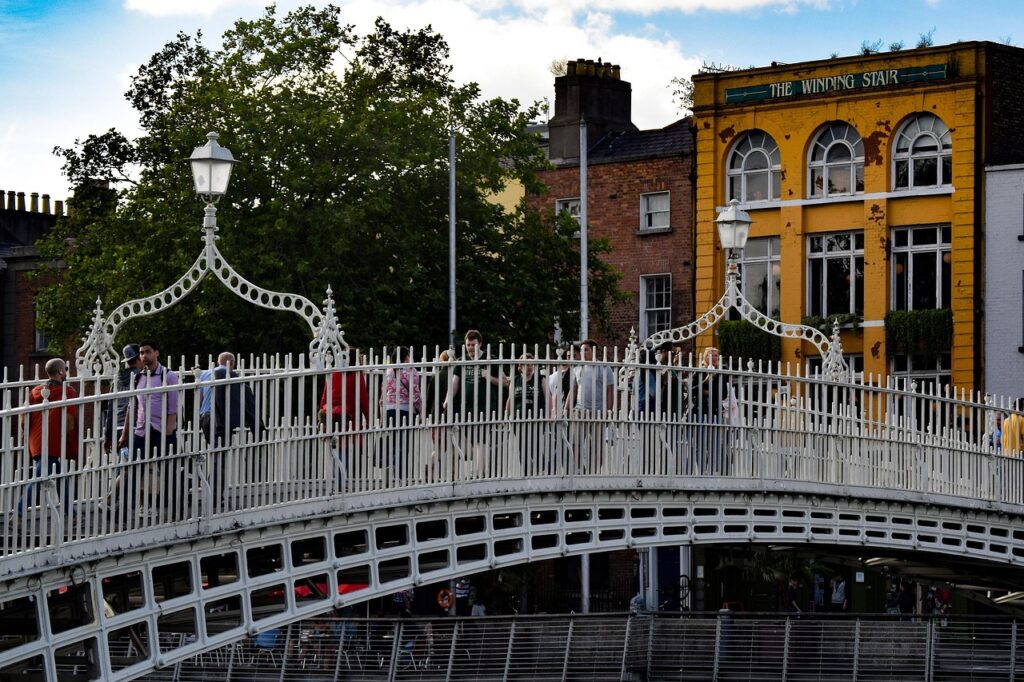
- When crossing the Liffey, use the safe pedestrian bridges (Ha’penny Bridge, O’Connell Bridge) and the bike lanes on O’Connell Street and Grand Canal Street.
- If you plan a trip to Phoenix Park, plan your return: stations near the park may have fewer bikes available in the evening.

Practical comparison and scenarios: which choice for which traveller?
The best option depends on your profile, how much time you have and what matters most to you. Here’s a quick comparison and concrete scenarios to help you decide.
1) You have 24–48 hours and want to see the highlights in a hurry
- Recommended route: Luas + walking. Example: arrive at O’Connell Street (tram or bus), get off at Abbey Street for Temple Bar, walk to Trinity College (College Green, Dublin 2), then take the Green Line to St. Stephen’s Green and Grafton Street. This optimises time with fast, predictable connections.
- Pros: speed and predictability of the Luas; less time spent figuring out multiple routes.
- Average cost: €2.10–€3.30 per trip if you buy singles; Leap Card is useful for multiple journeys.
2) You’re traveling on a tight budget and want to explore deeply
- Recommended route: Leap Card + bus. Example: take buses 13/68/79 to reach the National Museum (Kildare Street, Dublin 2), buses 145/79 for a coastal trip to Howth, and buses 51/123 to Kilmainham Gaol (Dublin 8). The bus network covers more peripheral sites at low cost.
- Pros: lower fares with a Leap Card, wide coverage to outlying attractions.
3) You love immersive outdoor experiences
- Recommended route: Just Eat Dublin Bikes. Example: start at the Trinity College station (College Green, Dublin 2), ride via Grafton Street to Grand Canal Dock for coffee, then follow the canal to Grand Canal Square. Add a loop around Phoenix Park for some green space.
- Pros: freedom, control of pace, plenty of photo stops.
4) Traveling with luggage or reduced mobility
- Recommended route: Dublin Bus (direct routes, accessibility) or a taxi. For the airport, favour Airlink 747 for a direct link to Busáras/O’Connell Street (especially convenient with suitcases).
- Pros: more space for luggage, accessible boarding and priority seating.
Combined tips:
- Mix Luas and Dublin Bikes for the best of both worlds: Luas for quick longer hops, bikes for local exploration.
- Keep a charged Leap Card; it works on Luas, Dublin Bus and even some regional trains so you avoid buying individual tickets.
- Use local apps: RTPI, Luas Live, Dublin Bikes app for real-time availability, and Google Maps or Citymapper to plan multimodal routes.

Practical tips, safety and useful addresses
To make the most of getting around Dublin, here’s a set of concrete tips and useful addresses with the practical info you should know:
- Leap Card: available at Luas stations, train stations (Heuston Station, Connolly Station) and certain retailers. Top up online or at machines. It’s ideal to cut costs and save time.
- Key stations and addresses:
- Busáras (Central Bus Station) — Store Street, Dublin 1, D01 A6P8: central hub for intercity and some urban bus services.
- Heuston Station — St John’s Rd W, Dublin 8, D08 R8D3: train and Luas Red Line connections nearby.
- Connolly Station — Amiens St, Dublin 1, D01 K8F5: DART, trains and nearby Luas stops (Point Village/Spencer Dock).
- St. Stephen’s Green — St Stephen’s Green North, Dublin 2, D02 PW86: pedestrian heart and Green Line stop.
- Grand Canal Dock — Grand Canal Square, Dublin 2, D02 TN84: modern area with cafes and tech offices.
- Useful numbers and websites:
- Dublin Bus: www.dublinbus.ie — for maps and timetables.
- Luas: www.luas.ie — for fares, network maps and alerts.
- Just Eat Dublin Bikes: www.dublinbikes.ie — for stations and passes.
- Transport for Ireland: www.transportforireland.ie — a hub for multimodal schedules.
Safety and comfort:
- Be careful around Luas tracks: avoid cycling too close to the rails since a wheel can slip into the groove.
- Dress for the season: a light raincoat and a windproof layer are useful year-round due to the wind and sudden showers.
- At night, stick to well-lit areas and use public services or taxis for longer journeys; Dublin Bikes stations can be less well stocked late in the evening.
Conclusion — finding the right balance to explore Dublin
Choosing between bus, Luas and bike in Dublin depends on the mix of goals you have: mobility, cost, immersion and comfort. For fast, predictable trips in the heart of the city, Luas is often the winning choice — it links the main tourist hubs reliably. For the widest coverage, especially for trips to outlying museums, Howth or Kilmainham, Dublin Bus remains essential and economical, especially with a Leap Card. For travellers wanting to explore at their own pace and soak up the city’s atmosphere, Just Eat Dublin Bikes offers unmatched freedom when the weather is good.
The most pragmatic strategy for a varied stay is to combine: a Leap Card for Luas and bus fares to keep costs down and skip ticket hassle, a day or two of Dublin Bikes for sunny local explorations, and occasional use of Airlink or direct bus lines for airport transfers when you have luggage. Be ready for changing weather, check real-time availability via official apps, and keep key addresses on hand: Busáras (Store Street, Dublin 1), Heuston Station (St John’s Rd W, Dublin 8), Connolly Station (Amiens St, Dublin 1), St. Stephen’s Green (St Stephen’s Green North, Dublin 2) and Grand Canal Dock (Grand Canal Square, Dublin 2).
In short: for a tight weekend, favour the Luas; for a low-cost and wide-ranging stay, choose Dublin Bus with a Leap Card; for sensory immersion and short local hops, pick the bike share. Whatever you choose, Dublin is a brilliant city for discoveries: a short tram ride, a coffee in a square, a cycle along the canal or a bus trip to an out-of-centre museum can turn an ordinary day into a memorable one. Enjoy your time in Dublin — and don’t forget your waterproof.