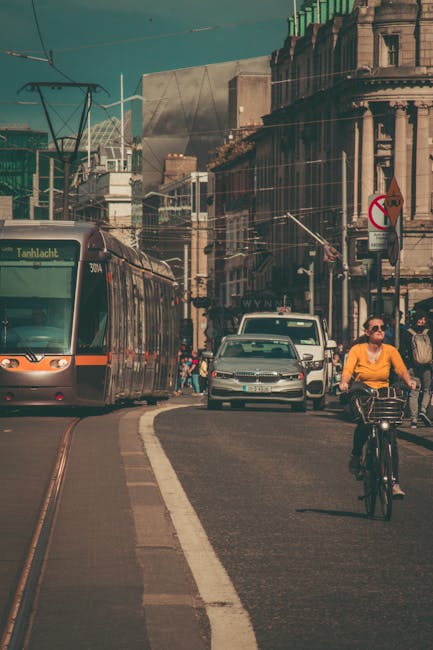






Introduction — Why mix bus, Luas and bike to explore Dublin
Dublin is compact but layered, where history hums around every corner — from the Georgian façades of Trinity College Dublin to the modern warehouses of Grand Canal Dock. For an efficient, immersive trip, combining public transport — city buses and the Luas (the light rail tram) — with cycling (either the public DublinBikes scheme or a private rental) gives the best blend of speed, accessibility and local flavor. This guide lays out must-do routes by bus, Luas and bike, with exact addresses, typical operating hours, fares in euros and practical tips to make the most of your days.
Dublin Bus covers most of the metropolitan area and links the main tourist spots, while the Luas (two main lines: Red Line and Green Line) provides fast, regular connections between the city centre and key neighborhoods like Heuston, St. Stephen’s Green, Sandyford and Tallaght. Cycling — whether via DublinBikes or a private hire — is the best way to reach pedestrianised lanes and waterfronts where bus stops aren’t always tucked into the prettiest alleys.
In this guide you’ll find:
- Detailed bus routes with line numbers, stops and indicative prices.
- Recommended Luas journeys, key stops and typical schedules by season.
- Suggested bike loops, DublinBikes docking locations, main rental shops and price references.
- Local tips (when to avoid travel, how to secure your bike, where to top up a Leap Card) and immersive descriptions so you can enjoy every stop.
Before you head out, keep a few basics in mind: the Leap Card is the reusable travel card that cuts fares significantly across Dublin Bus and Luas; for bike hire, check the chain and brakes, and if you cycle after dark bring lights and a hi-vis vest. Always check timetables online: on weekdays buses and the Luas run frequently (often every 5–15 minutes at peak times), while services can be reduced very early mornings or late at night.
Bus routes: classic Dublin and lively neighbourhoods (250+ words)
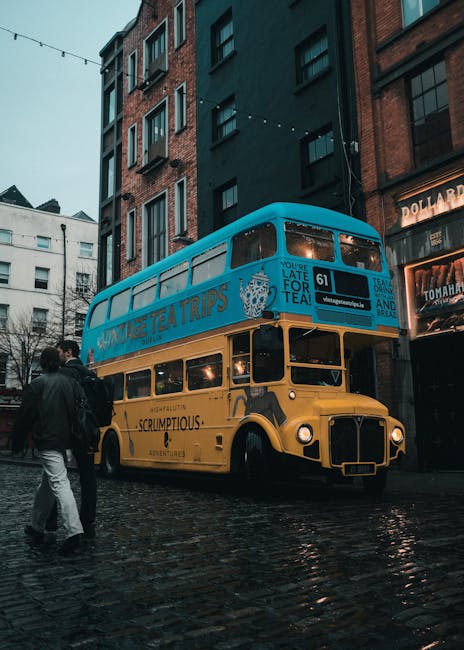
The Dublin Bus network is ideal for linking historic sites and bustling districts. Here are three can’t-miss daytime routes, with line numbers, key stops and indicative fares.
Route A — From Dublin Airport into the city (Airlink / 747)
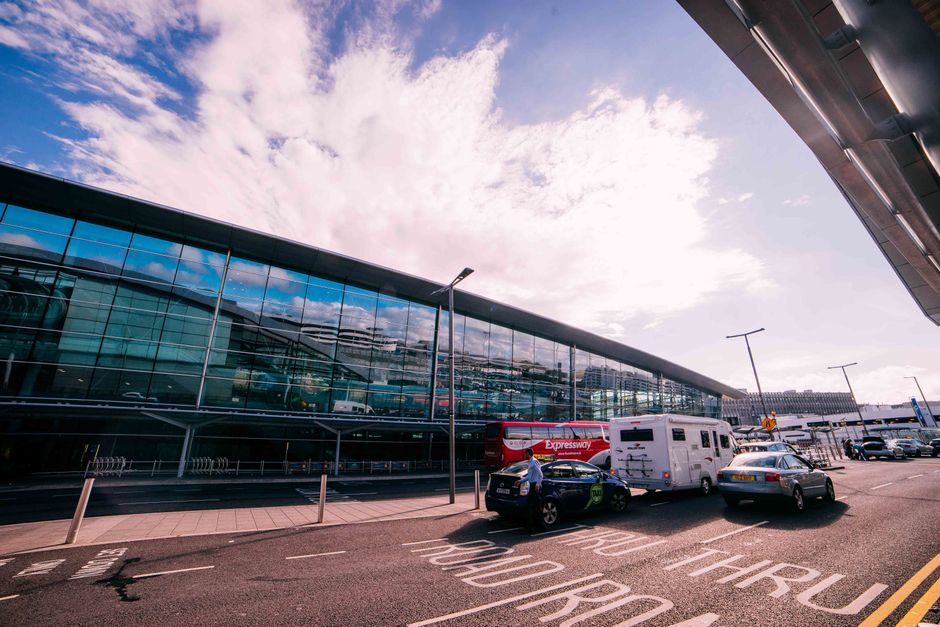
Taking the Airlink 747 (Dublin Bus) is often the simplest way to reach the centre from Dublin Airport (Collinstown, Dublin 1, K67 XK2). Frequency: every 15–20 minutes. Hours: 04:45–23:00 (subject to seasonal changes). Fare: €8.00 for a single adult when bought on the bus or onboard (indicative 2024 rate). Get off at Heuston Station (Heuston Station, St John’s Rd W, Dublin 8, D08 H3P6) to visit Kilmainham and the Guinness Storehouse.
Route B — From the Georgian heart to Temple Bar (lines 16 or 39a)
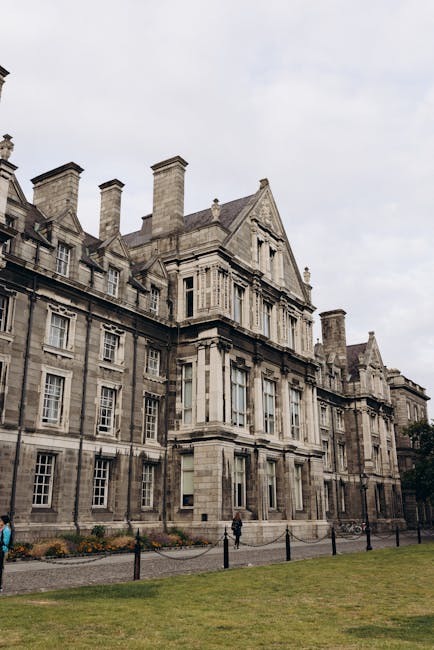
Catch the 16 or 39a depending on your starting point to cross residential neighbourhoods and arrive near Trinity College Dublin (College Green, Dublin 2, D02 PN40) and Temple Bar (Temple Bar, Dublin 2). Frequency: every 10–15 minutes during the day, reduced at night. Standard city fare: €2.00 (paying cash) or cheaper with a Leap Card (discounted fares from about €1.55 depending on distance).
Route C — Southside and the Docklands (lines 7 and 145)
To explore the Docklands and Grand Canal area, take the 145 or the 7 toward Cherry Orchard / Mountjoy. Recommended stops: Grand Canal Square (Barrow St, Dublin 4, D04 A5H2) and Spencer Dock (Custom House Quay). These lines run all day with frequencies of 10–20 minutes. Fare: €2.00–€3.30 depending on distance; use a Leap Card to pay less.
Local tips:
- Prefer a Leap Card (rechargeable) — available at Luas stops, some post offices and online — it noticeably reduces fare costs.
- Watch peak hours (08:00–09:30 and 17:00–18:30) when buses can be crowded; set off early to beat the queues at popular attractions.
- For late-night travel check Nitelink and night bus services; some areas have limited service after midnight.
Luas routes: Red and Green lines for quick, scenic hops
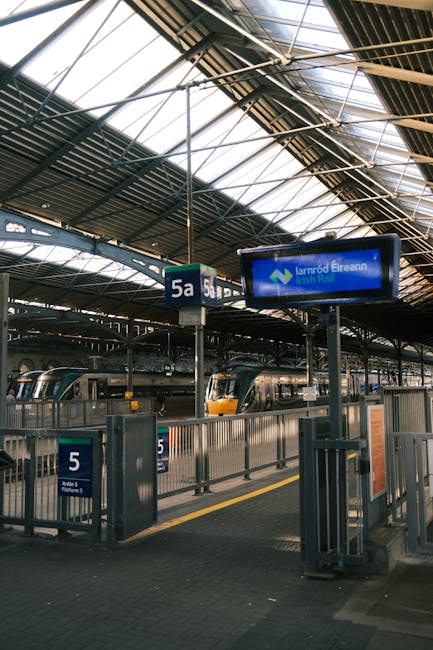
The Luas is split into two main lines: the Red Line and the Green Line. Together they let you cross the city quickly and avoid road congestion. Trams are frequent — roughly every 5–12 minutes during the day, with typical weekday hours around 05:30–00:30 (extended hours at weekends and during events). Fare: a single short trip starts at about €2.20 (adult) and can rise to €3.30 for multiple zones; the Leap Card lowers the cost.
Recommended route — Red Line: Heuston to Connolly via Abbey Street
Begin at Heuston Station (Heuston Station, St John’s Rd W, Dublin 8, D08 H3P6) and take the Luas Red Line toward Connolly (Custom House Quay, Dublin 1). Key stops include Smithfield (King St, Dublin 7) for the Jameson Distillery Bow St (Bow St, Smithfield, Dublin 7, D07 NX81), Four Courts for views of the River Liffey, and Abbey Street for access to O’Connell Street and the General Post Office (GPO, O’Connell St Upper, Dublin 1).
Recommended route — Green Line: St. Stephen’s Green to Sandyford
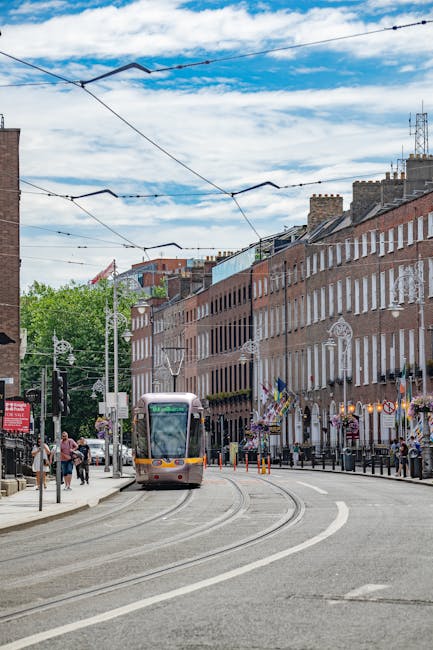
Take the Green Line from St. Stephen’s Green (St Stephen’s Green, Dublin 2) to drop into the heart of the shopping district (Grafton Street) and continue toward Ranelagh and Sandyford, passing Charlemont and Grand Canal Dock. It’s perfect for food, architecture and waterside walks. Frequency: 7–12 minutes. Fare: short zone ≈ €2.20, longer trips ≈ €3.30.
Practical tips:
- Buy your ticket at the machine or use a Leap Card before boarding. Inspectors are common and fines apply.
- Avoid rear carriages during peak times; they’re often less crowded near termini.
- Check Luas.ie for planned works at weekends when partial closures can happen.
Bike routes: city loops, DublinBikes and local rentals
Cycling is a lively, slow way to discover Dublin: hidden lanes, shaded quays and parks open up differently. Two main choices: the public DublinBikes network and private rentals (shops or guided tours). Here are detailed loops with docking locations and usual prices.
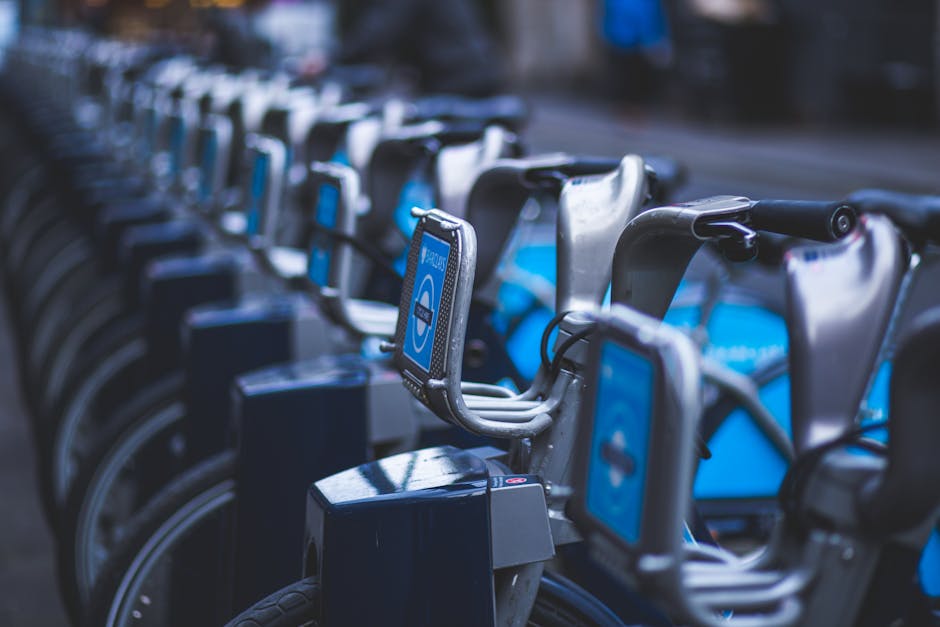
DublinBikes — docks, how it works and fares
DublinBikes has docking stations across the centre. Examples of handy stations:
- Temple Bar / Earl Place (Earl Place, Dublin 2) — DublinBikes docking station
- Grand Canal Dock / Barrow Street (Barrow St, Dublin 4) — DublinBikes docking station
- Heuston Station (St John’s Rd W, Dublin 8) — DublinBikes docking station
Indicative pricing: a 3-day subscription from about €5.00 (promotional rates vary); pay-as-you-go: the first trip is usually included with a subscription, then €2.00 for each additional 30-minute block. Prices change; check the official DublinBikes site for up-to-date info. Stations are open 24/7, bikes are available via the app and an access code.
Private rentals and recommended loops
For extra comfort (helmet, map, support) go for a private rental. Typical local rates:
- Half-day (half day) ≈ €15.00
- Full-day (full day) ≈ €25.00
- Guided bike tour (morning 2–3h) ≈ €35.00 per person
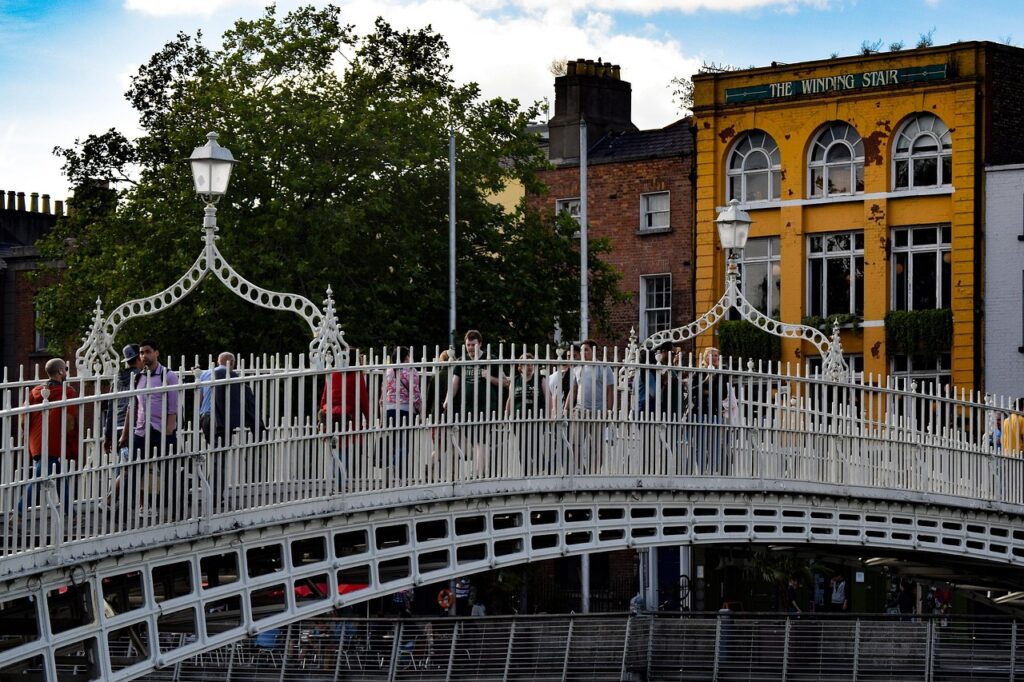
Recommended loop (around 12–15 km): start at St. Stephen’s Green (St Stephen’s Green, Dublin 2) → Grafton Street → Trinity College (College Green, D02 PN40) → Temple Bar → Ha’penny Bridge → Custom House Quay → Grand Canal Dock → Grand Canal Square → return via Leeson Street. This route mixes historic sites, river views and modern waterfront areas.
Cycling tips:
- Use the dedicated cycle lanes along the quays and quieter side roads; signage is generally clear though some streets are shared with traffic.
- Always lock your bike: use a sturdy U-lock and secure it to a fixed point, especially in tourist-heavy areas.
- Avoid riding on wet cobbles in the older districts — they get very slippery.
Practical tips and essential timetables for planning your trips
Before you set off, keep these operational details in mind. Timetables and prices can vary with the season and events (Saint Patrick’s Day, festivals, matches at Croke Park or Aviva Stadium), so always check official sites:
- Dublin Bus: dublinbus.ie — timetables and maps, city fares ≈ €2.00 for a standard urban trip.
- Luas: luas.ie — timetables, disruptions and zone fares (single fare ≈ €2.20–€3.30).
- DublinBikes: official app or dublinbikes.ie — subscriptions and dock status.
Top-up points and tourist info:
- Dublin Tourist Office (Fáilte Ireland): 10-11 Nassau St, Dublin 2, D02 VY31 — usually open 09:30–17:30, for maps and advice.
- Leap Card reload points: Luas stops, some stations and post offices — you can top up with cash or card.
Finally, plan around the weather: Dublin’s skies change fast, so pack a lightweight waterproof jacket and comfortable shoes. By combining bus, Luas and bike you can cover the essentials in a day: culture, food, lively waterfronts and green spots — all while enjoying a varied, authentic rhythm.

Conclusion — Flexible routes for every travel style
Combining bus, Luas and bike in Dublin lets you build a trip that’s both packed and adjustable: buses give you deep access to outer neighbourhoods and museums, the Luas provides fast, scenic crossings of the city, and cycling gives you freedom to stop for photos and coffee. Practically, start by buying a Leap Card to optimise fares, plan a morning bike loop in the centre, then use the Luas to reach the Liffey banks and a bus for a trip out to Kilmainham or Phoenix Park.
Don’t forget the useful addresses listed in this guide: Trinity College Dublin (College Green, D02 PN40), Guinness Storehouse (St. James’s Gate, Dublin 8, D08 VF8H), Dublin Airport (Collinstown, Dublin 1, K67 XK2) and Heuston Station (St John’s Rd W, Dublin 8, D08 H3P6). The fares shown (Airlink ≈ €8.00, city bus ≈ €2.00, Luas ≈ €2.20–€3.30, bike hire ≈ €15–€25) are guides only — check official sites before you travel for updates. And always follow local rules: validate your Luas ticket before boarding, secure your bike, and watch for pedestrians on the quays and narrow cobbled streets.
Follow these essential routes and adapt timings to your interests, and your visit to Dublin will be practical, comprehensive and memorable — where history meets everyday Irish life, and each transport mode adds its own flavor to the discovery.