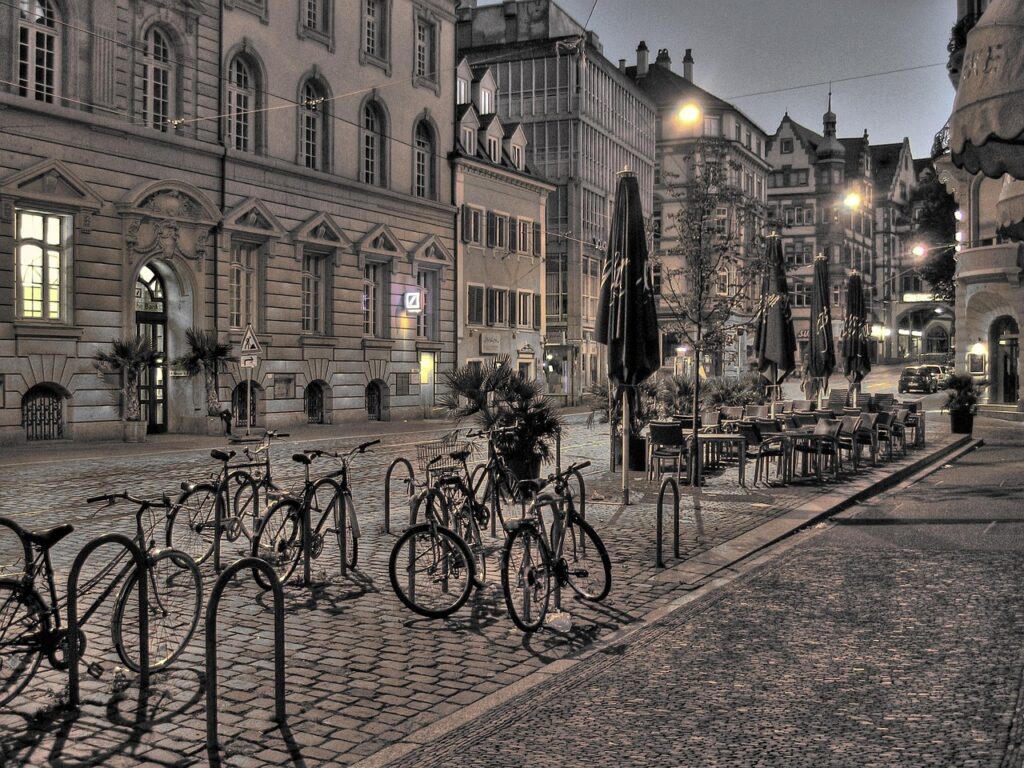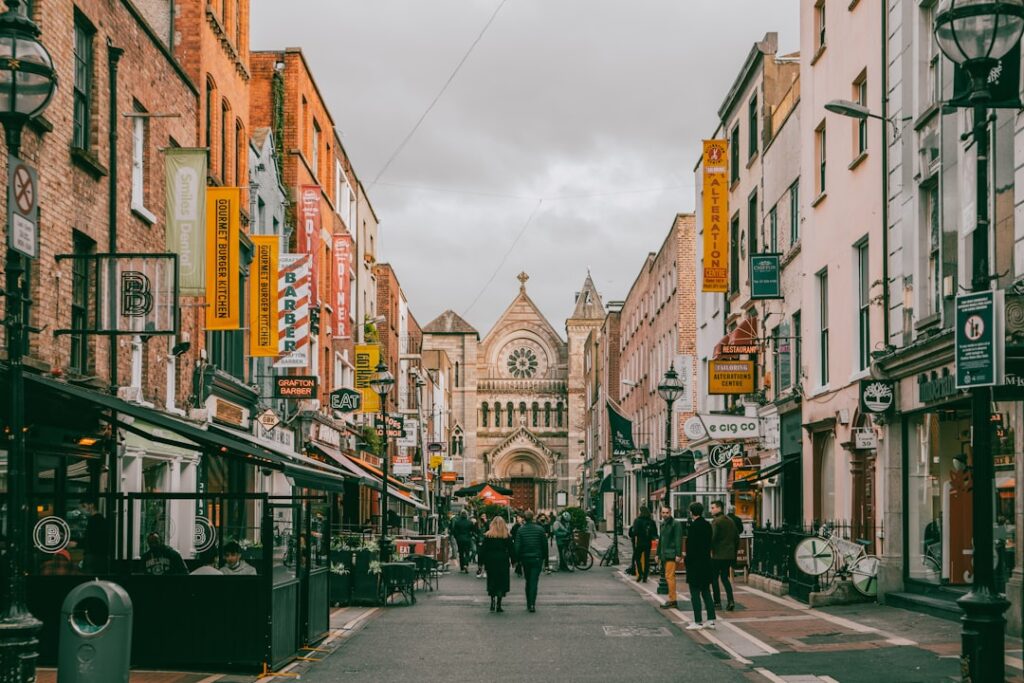






Introduction — Beyond the Stereotypes: Discovering Dublin’s Food Scene
When visitors think of Dublin, they often picture crowded pubs, a pint of stout and live music in Temple Bar. Those images aren’t wrong, but they capture only one side of the city. Dublin’s contemporary food scene is far richer: open-air markets, family-run pubs where the cooking often surprises, independent food artisans and tasty stops that tell the city’s recent story. This guide aims to move off the beaten track and give a practical, hands-on exploration—exact addresses, opening hours, price ranges and local tips—so you can taste Dublin without settling for the usual tourist clichés.
You’ll find markets where growers sell seasonal Irish produce still warm from the oven, family pubs where food connects generations, and artisans—bakers, cheesemakers, chocolatiers, roasters—working at small scale. The goal isn’t just to list places: it’s to help you understand the rhythm and logic of this scene. Weekend markets, for example, act as community hubs where people buy as much as they chat; family pubs often have seasonal hours and dishes designed for sharing; artisans have specific production windows and transparent pricing—key details when planning a foodie day in Dublin.
This guide is written for the curious traveler: you’ll find practical information (full addresses, opening hours, price ranges in euros) as well as immersive descriptions for each spot, local tips (best times to visit, dishes to try, ways to avoid crowds) and suggested routes. I picked places that represent Dublin’s variety: historic markets, modern food halls, pubs run by the same families for decades, artisan bakeries and small specialty shops. Each place is described so you can picture it before you go—from the smell of fresh bread to the texture of smoked fish, to the feeling of a pub where kids and grandparents sit at the same table.
Finally, keep in mind that Dublin’s food scene changes fast. Artisans open and close, markets relocate and hours shift with the seasons. This guide focuses on established addresses and regular markets and provides price markers (in euros) to avoid surprises. If you have time constraints or dietary preferences (vegetarian, gluten-free), the article also includes tips to tweak your route and make the most of this welcoming, food-loving capital.
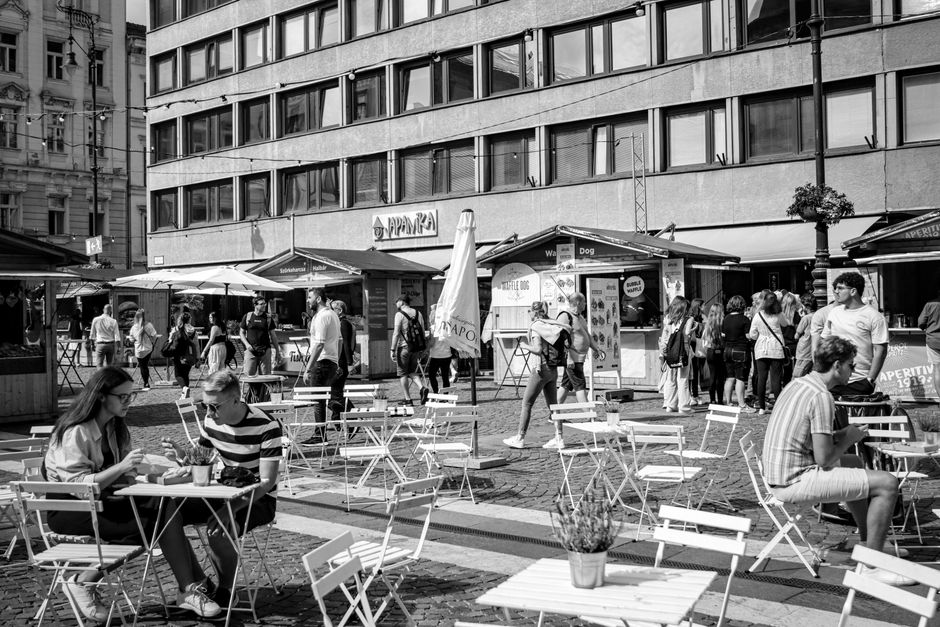
Must-Visit Markets: A Mosaic of Local Flavors and Pop-Up Artisans
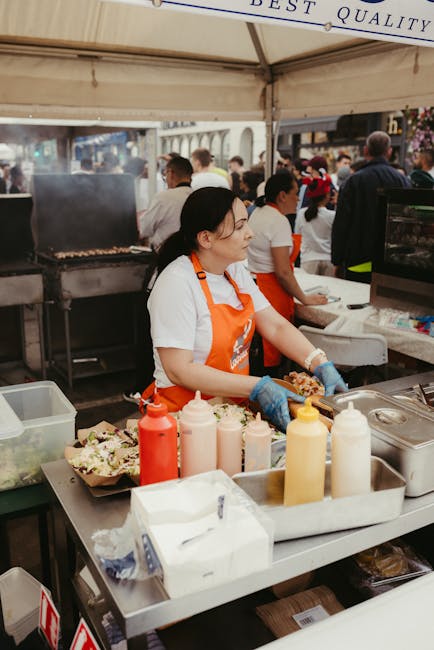
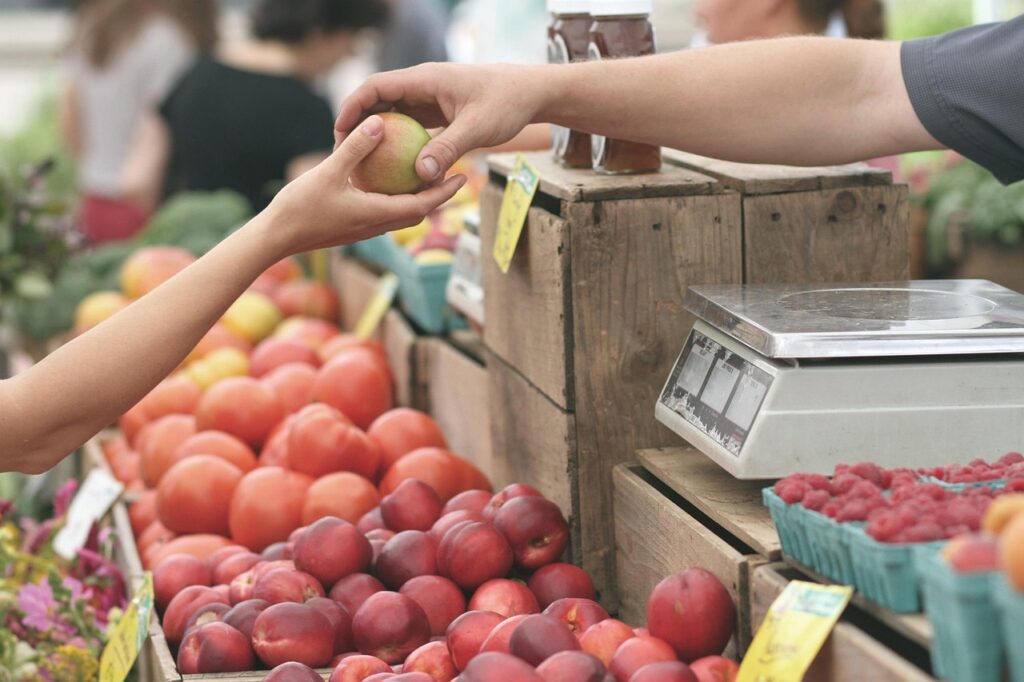
Dublin has a lively market culture where local producers, independent cooks and makers mingle. The best known is the Temple Bar Food Market (Meeting House Square, Temple Bar, Dublin 2, D02 FK26). It runs on Saturdays from 10:00 to 16:00. Expect stalls selling artisan bread (€4–6 a loaf or €1.50–3 per slice), farmhouse cheeses (€6–12 each), charcuterie and street food (hot dishes €6–12). It’s perfect for a late breakfast or a quick lunch; come early to beat the crowds (10:00–11:30).
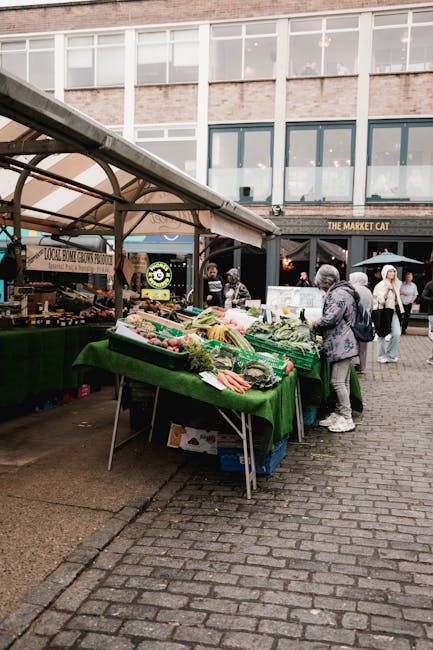
Nearby, the George’s Street Arcade (South Great George’s St, Dublin 2, D02 P263) isn’t a market in the strict sense but a historic arcade where permanent vendors and artisans sell handmade goods, specialty coffee and pastries. Hours are generally 10:00–17:30 daily. Expect €3–8 for a coffee, €2–5 for a pastry, and €8–20 for a sandwich or a cold plate.
For a more traditional experience, visit the Moore Street Market (Moore St, Dublin 1, D01 F2H6). This neighborhood food market is open Tuesday to Saturday, roughly 08:00–17:00. You’ll mainly find fruit and vegetables, fish and fresh herbs; prices are indicative: veggies from €1–3 per bunch, whole fish €8–20 depending on size, herb bunches €1–2.
Don’t miss the Powerscourt Townhouse Market (59 South William St, Dublin 2, D02 R566), a small covered gourmet market inside the Powerscourt Townhouse Centre. Hours: Fridays and Saturdays 10:00–18:00. Look for artisan jams (€5–7), chocolates (€3–5 a portion) and curated olive oils (€8–15).
Local tips: get there early for the freshest bread and to avoid the Temple Bar tourist crush; bring reusable bags and some cash (some stalls don’t take cards); talk to the producers—many will offer tastings and give great advice on seasonal produce.
Family Pubs and Local Taverns: Eat Like a Local
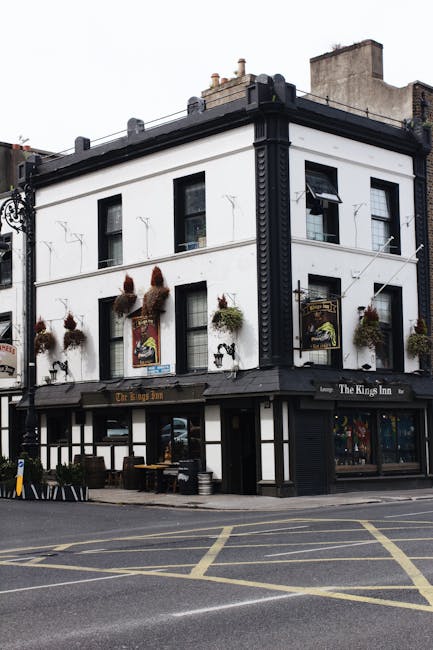
Dublin is full of pubs where food plays a central role, often run by families for generations. These spots serve hearty fare, traditional dishes with a twist, and a warm atmosphere that contrasts with the touristy image of some neighborhoods. A standout example is The Cobblestone, 77 King Street North, Smithfield, Dublin 7, D07 NX26. Hours: open daily, typically 12:00–23:30. A pint goes for about €5.50–6.50 and food (soups, pies, stews) ranges from €9 to €16.
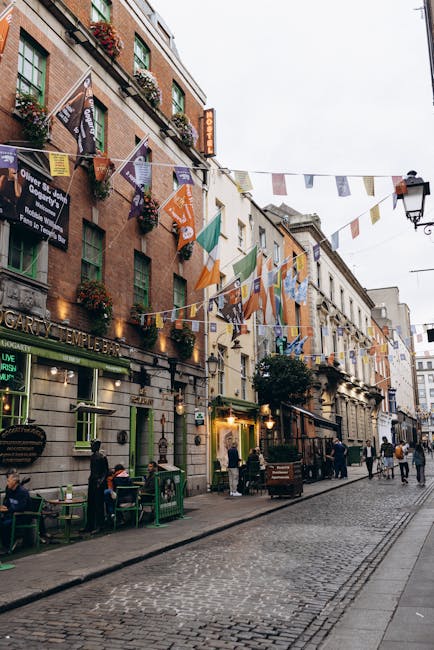
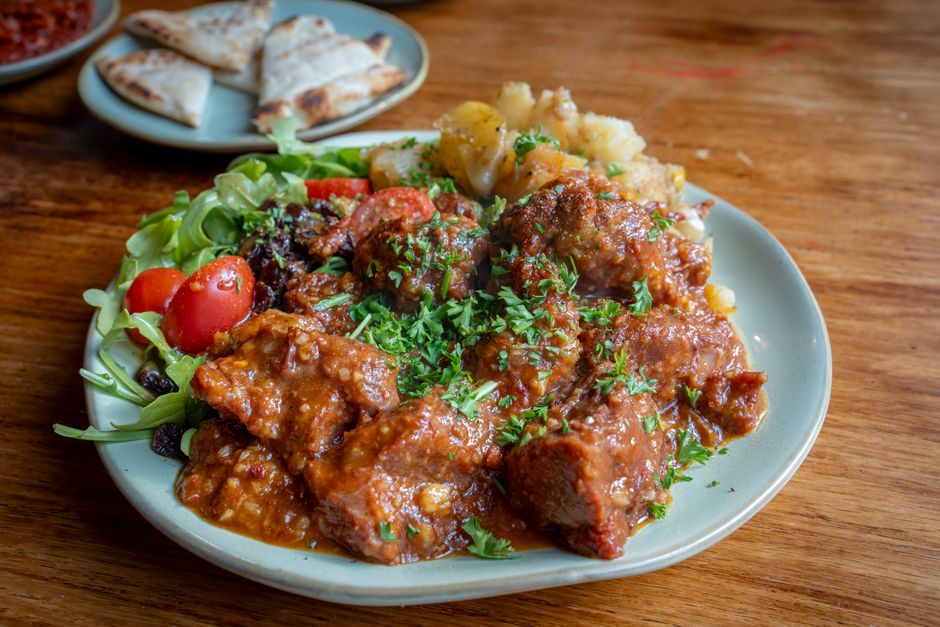
The Brazen Head (20 Lower Bridge St, Dublin 8, D08 R2W1), often billed as Ireland’s oldest pub, is another family-style stop, open every day from 11:00 to 23:30. Menu highlights: fish & chips from €12, stews €14–18. The draw here is as much the atmosphere—history-filled walls, staff who know the regulars and generous portions—as the food. Note that Brazen Head can get touristy; aim for early evening on a weekday for a more local vibe.
For contemporary cooking in a neighborhood pub setting, try L. Mulligan Grocer (8 Stoneybatter, Dublin 7, D07 W2V3). Hours: typically 12:00–22:00 (check for late-night service). Prices: mains €12–24, brunches €8–15. The owners focus on local produce and a menu that shifts with what’s in season.
Practical tips: ask for the “special of the day” — it’s often the best value; if you’re in a group, order shared plates (boards, stews) to try more dishes; avoid peak lunch and dinner hours (12:00–14:00 and 18:00–20:00) or reserve ahead, especially at weekends.
Artisans and Workshops: Bakeries, Cheesemakers and Chocolatiers to Know
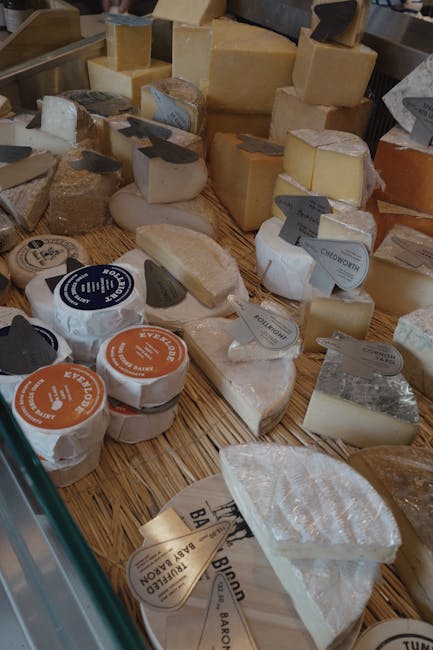
Beyond markets and pubs, Dublin has a generation of artisans putting raw ingredients first: sourdough bakers, local cheesemakers, roasters and chocolatiers working in small batches. A recommended stop is the Fallon & Byrne Food Hall (11–17 Exchequer St, Dublin 2, D02 YH73). Hours: 09:00–18:00 Monday to Saturday, 10:00–17:00 Sunday. Products: artisan breads €3–6, cheeses €6–18, pastries €2–6. The venue blends a delicatessen with dining tables—ideal for tasting one product at a time.
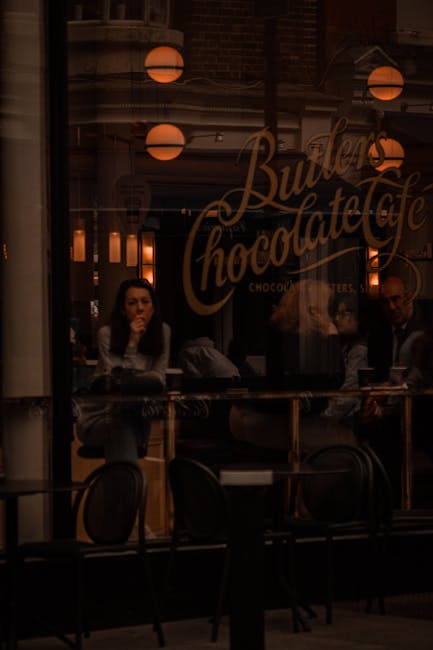
Glenilen Farm doesn’t have a central Dublin shop, but many markets and specialty stores in the city carry their dairy products; look for farmhouse yogurts and artisan butters priced €2.50–5 a portion in food halls. For chocolate, Butlers Chocolate Café (multiple locations; flagship often at 1-2 Grafton St, Dublin 2) offers coffees and truffles €2–6 and boxed gifts from €7–15.
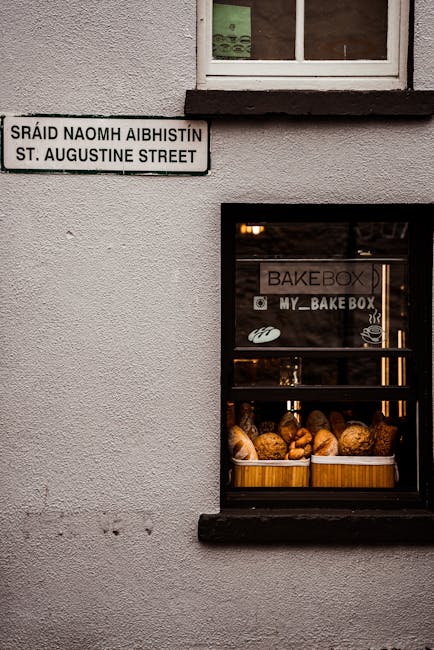
For bread, Blas Bakery (sold at various points around Dublin, or in local bakeries like Bread 41 at some markets) sells sourdough loaves €4–6 and brunch pancakes €6–9 at market stalls. For cheese, Wicklow Farm Dairy and other local affineurs regularly appear at Powerscourt Market or Temple Bar: tasting boards €8–15 depending on quantity.
Buying tips: opt for small formats so you can try several products (mini chocolate boxes, small cheese portions), ask the vendor about origin and production date (freshness isn’t always labeled), and bring a small insulated bag if you’re buying fresh cheeses or meats for the journey. Some shops take online orders or reserve items for busy weekends; check the day before if you’re targeting something specific.
Conclusion — Building Your Dublin Food Route
In short, Dublin’s food scene is a mosaic: morning markets and covered halls for buying, family pubs for comforting and authentic meals, and artisans for high-quality products. How you build a foodie route depends on your priorities: for a typical day, start at the Temple Bar Food Market (Meeting House Square) at 10:00, grab a coffee and a loaf from a market baker (€3–6), then head to the Powerscourt Townhouse Market for refined tastings (€5–12). Lunch at a family pub like The Cobblestone (meals €9–16), then spend the afternoon visiting artisan shops (Fallon & Byrne, Butlers Chocolate Café) to pick up souvenirs (chocolate boxes €7–15, cheeses €6–18).
Some practical rules: visit on a weekday or arrive early to avoid crowds; bring cash for small stalls; respect opening hours—many artisans close early or only open certain days; and talk to producers—most are happy to explain their methods and suggest pairings. Dublin reveals itself slowly through its flavors: each market, family pub and artisan tells a local story—economic, seasonal, sometimes familial—that enriches your visit beyond a simple tasting.
If you have dietary constraints or a special interest (vegan, gluten-free, or a passion for specialty coffee), I can adapt this route to highlight addresses that suit your needs and provide maps and precise time windows to minimize wait times. Enjoy your foodie trip to Dublin—and remember: the best food memory often comes from sharing a table in a neighborhood spot with locals and curious visitors alike.