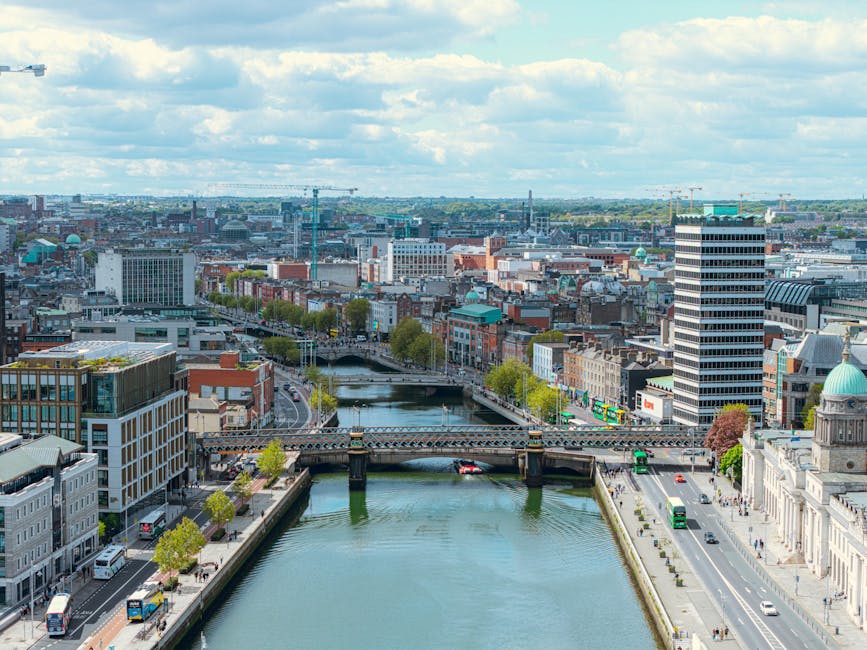






Introduction: Why Compare Bus, Tram and Bike to Explore Dublin Sustainably
Dublin, Ireland’s lively capital, is where medieval history meets modern urban life. Its Georgian streets, bustling quays along the River Liffey and leafy parks invite slow, responsible discovery. If you care about sustainability, knowing your mobility options — bus, tram (Luas) and the city bike scheme (Dublin Bikes) — is key to keeping your carbon footprint low while staying mobile. This detailed comparison will help you pick the right mode based on your routes, budget and comfort preferences.
We cover practical, usable details: exact addresses for stations and termini, typical fares, usual operating hours, tips to optimize journeys, and immersive experiences for each mode. You’ll get recommendations to reach major sights (Trinity College, Dublin Castle, Guinness Storehouse, Phoenix Park) and local hacks — how to avoid rush-hour crowds, where to top up a Leap Card, and how to use a Luas ride to admire the modern Docklands skyline.
This guide doesn’t just list facts: it compares accessibility, frequency, geographic coverage and environmental impact. It considers practicality for travellers with luggage, families or occasional cyclists. With exact addresses (for example Busáras, Store Street, Dublin 1; Heuston Station, Conyngham Road, Dublin 8; Connolly Station, Amiens Street, Dublin 1), price ranges in euros and typical hours, you can plan your days with confidence.
Finally, you’ll find handy local tips — which bus stops to favor to avoid narrow sidewalks, which Luas stops offer convenient connections, and how to get the most from the Dublin Bikes network (stations, included free time, subscription options). The photos suggested through the article (marked by 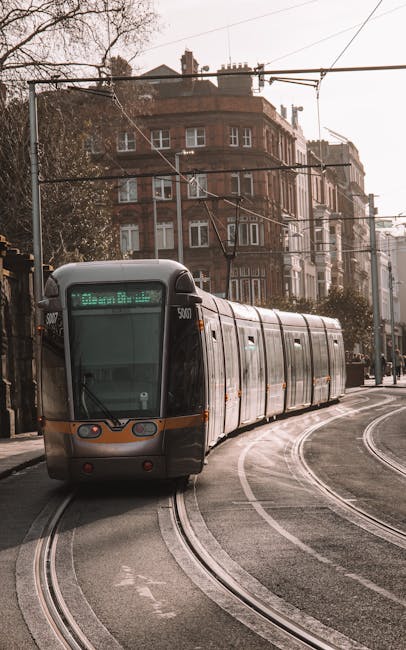 ) aim to inspire your route and showcase the most attractive visual contexts: sunset quays, a tram cutting across the Docklands, bikes lined up by the park, and more.
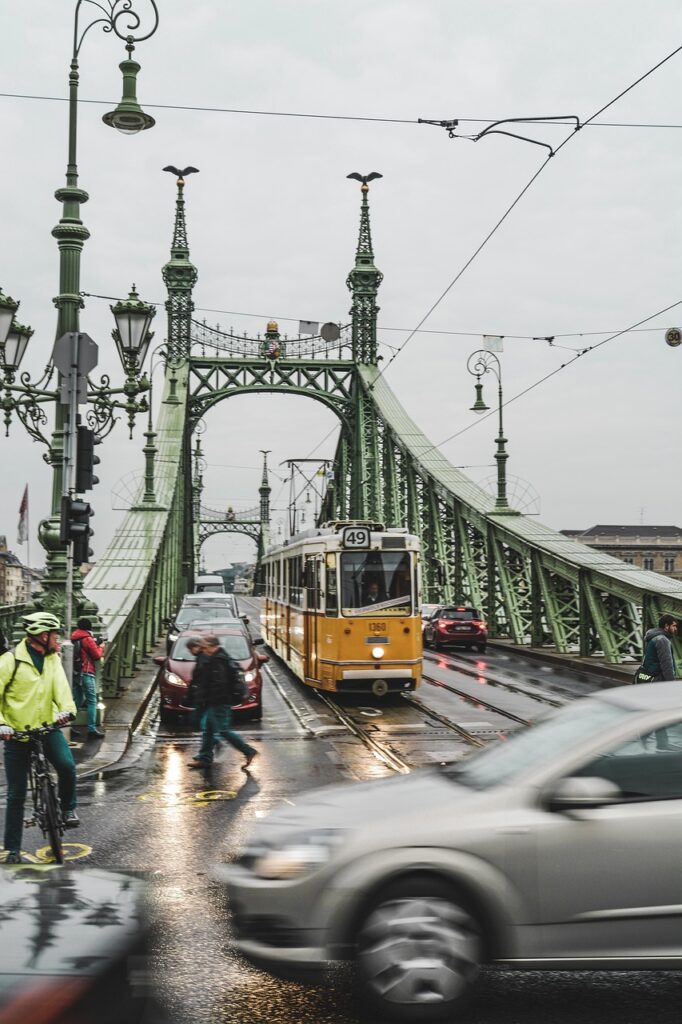

Bus (Dublin Bus): Coverage, Fares, Timetables and Practical Tips
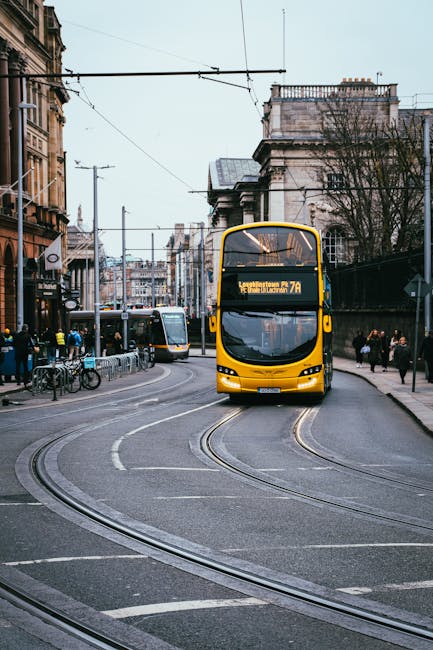
The Dublin Bus network is the city’s most extensive transport system, linking virtually every neighborhood — from residential suburbs to central tourist hubs. Operated by Dublin Bus Company, it offers regular services, night routes and direct links to train stations and coach terminals. For travellers, the big advantage is coverage: you can reach places like Howth (via the 31X/31), Malahide, or industrial zones late at night without having to change modes multiple times.
Key addresses:
- Busáras (Dublin Central Bus Station) — Store Street, Dublin 1, D01 K7T9. Major interchange for national and many urban routes.
- Heuston Station Bus Stops — Conyngham Road, Dublin 8. Convenient for getting to the south-west of the city and national rail services.
- Bus Stop O’Connell Street — O’Connell Street Lower, Dublin 1. Central stop for many routes crossing the city centre.
Hours and frequency:
- Typical hours: most routes run roughly from 05:00 to about 00:30 on weekdays. Many main routes run every 10–20 minutes during the day.
- Night services (Nitelink): some routes operate late into the night (around midnight to 03:30) on Friday and Saturday nights — handy for Temple Bar nightlife and concert nights.
- Peak frequency: several routes run every 6–10 minutes between 07:00–09:30 and 16:00–18:30.
Indicative fares (for guidance only — check before travel):
- Cash (may be limited): single urban ticket ~€2.50–€3.30 depending on distance.
- Leap Card (contactless prepaid card): cheaper fares — example single intra-city adult fare ~€1.65–€2.40 depending on zone. Common minimum top-up €5.
- Day tickets: Dublin Bus offers DaySaver fares and combined options with Luas (via Leap or, in some cases, paper tickets); daily cost roughly €7–€10.
Practical tips and local experience:
- Use a Leap Card: it cuts journey costs significantly and speeds boarding without needing change. Top-ups are available at Irish Rail kiosks (Connolly Station, Heuston), ticket machines at some stations and online.
- Avoid boarding with large luggage during peak times: buses can be crowded and boarding is via the front door. If you have big suitcases, use Heuston Station for regional trains or take dedicated airport shuttles (Airlink 747/748 from Busáras and Heuston).
- City watching: routes along the Liffey reveal interesting façades and bridges; hop off near O’Connell Bridge or head toward Grand Canal Dock to see the shift from old to new.
Luas Tram: Speed, Lines, Costs and Best Routes for Visitors
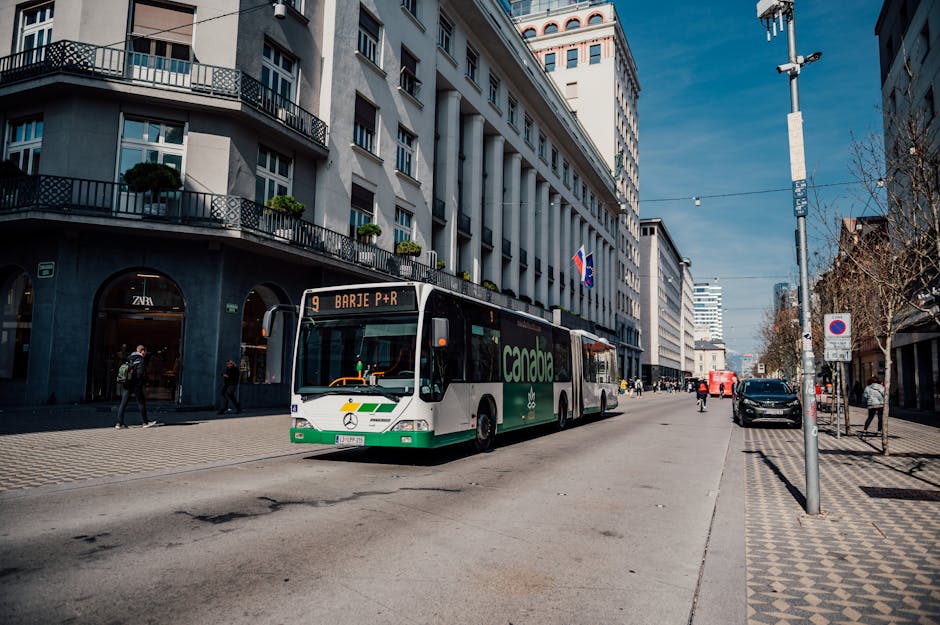
The Luas light-rail system makes getting around Dublin quick and reliable. It consists of two main lines — the Green Line and the Red Line — with useful interchange points for visitors. Luas is popular for punctuality, frequency and comfort — perfect for moving between tourist areas, shopping districts and business hubs like the Docklands.
Lines and key stops:
- Red Line (Luas Red Line) — runs from Saggart/Tallaght to Connolly Station (Amiens Street, Dublin 1) and crosses the city to serve the Docklands. Notable interchange: Heuston (Heuston Station, Conyngham Road, Dublin 8) for rail connections.
- Green Line (Luas Green Line) — links Broombridge in the north through the city centre to Bride’s Glen in the south-east, passing St. Stephen’s Green (St Stephen’s Green, Dublin 2) and suburban stops like Sandyford/Stillorgan.
- Red/Green interchange: Abbey Street / O’Connell GPO provide quick walking connections between lines.
Hours and frequency:
- Typical hours: Monday to Saturday roughly 05:30–00:30; Sundays about 06:30–23:30. Times can vary around events and public holidays.
- Frequency: daytime intervals are typically 6–10 minutes; quieter hours see 10–15 minute gaps. Peak morning/evening services may be more frequent.
Indicative fares (check Luas website or Leap Card for current pricing):
- Single adult ticket (zone-to-zone): about €2.10–€3.30 depending on zones crossed.
- Leap Card: reduced fares and daily caps when combined with Dublin Bus if you use it regularly (~€7–€10/day).
- Day tickets: occasional combined passes exist; check current tourist offers before buying.
Experience and local tips:
- Luas is ideal for a direct ride to the Guinness Storehouse — get off at James’s (James’s Street, Dublin 8) and walk 5–8 minutes to Guinness Storehouse, St. James’s Gate, Dublin 8, D08VF8H (or to the visitor experience entrance).
- To visit Trinity College and the Book of Kells, alight at Trinity (near the Molly Malone statue / Grafton Street area) on the Green Line and walk to Trinity College Dublin, College Green, Dublin 2, D02 PN40.
- Board at termini for a better chance of a seat: termini like Bride’s Glen (Bride’s Glen, Dublin 18) or Tallaght often depart less crowded.
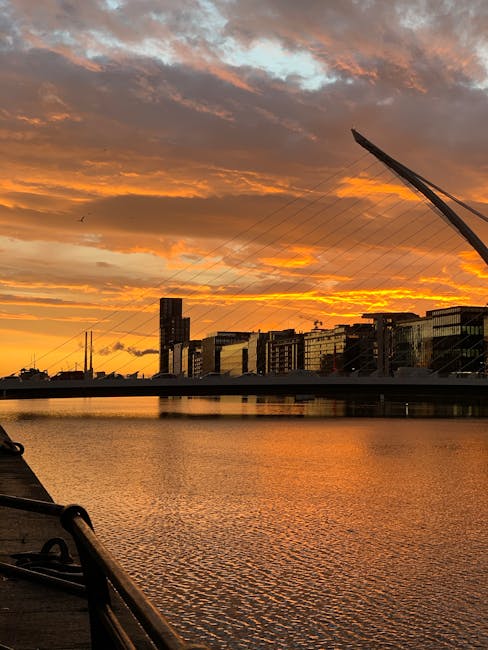
- Photography: the Luas crossing Samuel Beckett Bridge and the Docklands quays provides striking modern views — especially at sunset.
Bike (Dublin Bikes and Urban Cycling): Freedom, Stations, Fares and Safety
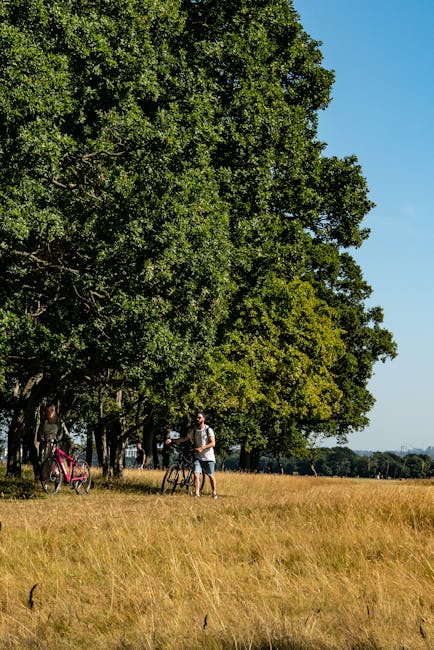
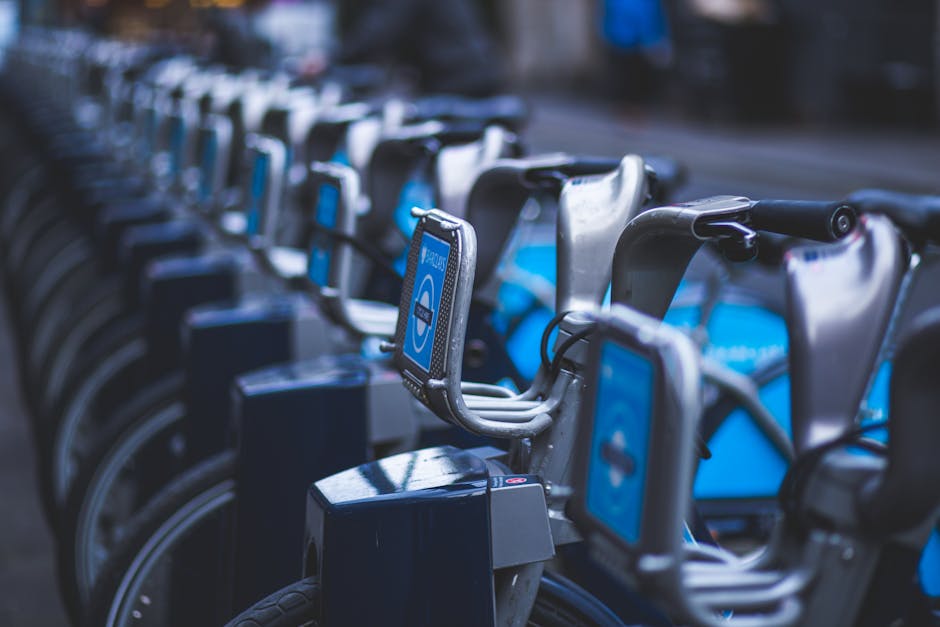
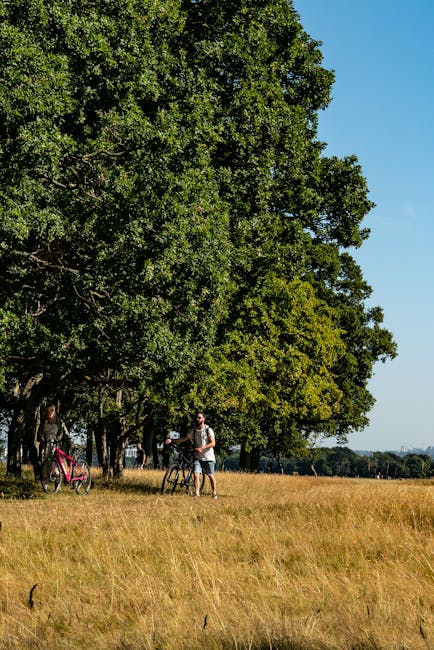
Cycling in Dublin is a sustainable, nimble and often delightful option for short inner-city trips. Dublin Bikes, the city’s bike-share scheme initially launched by JCDecaux and now run through local partnerships, has many docking stations across the centre and surrounding neighborhoods. Biking lets you avoid timetables, enjoy the parks (Phoenix Park, Merrion Square) and experience the city at your own pace.
Stations and hire points:
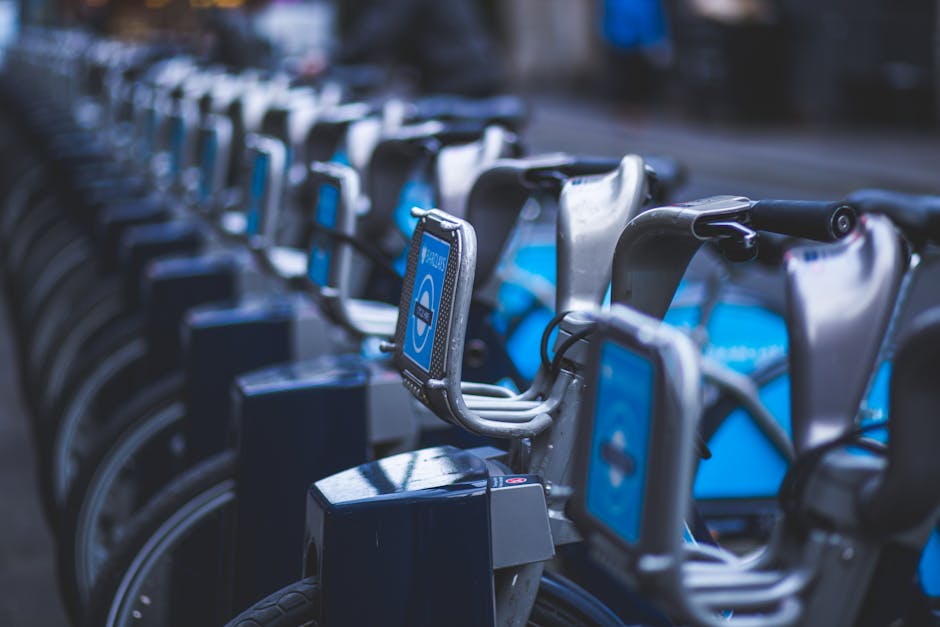
- Dublin Bikes docking station — St. Stephen’s Green — St Stephen’s Green, Dublin 2. Central station, perfect for Grafton Street and Trinity College visits.
- Dublin Bikes docking station — Heuston Station — Heuston Station, Conyngham Road, Dublin 8. Handy for combining train travel and cycling; several docks around the station.
- Dublin Bikes docking station — Phoenix Park entrance — Parkgate Street / Chesterfield Avenue, Dublin 8/7. Direct access to the park for relaxed, safe rides.
Fares and passes (indicative — check current offers):
- 1-day pass: around €3–€5 for a day, typically including the first 30–45 minutes free; overtime fees charged per block (example €1–€2 per extra 15–30 minutes).
- Annual subscription: often priced around €25–€40 depending on promotions; includes 30–45 minute free rides before extra charges apply.
- Pay-as-you-go via app: unlock and pay per use through the app, with electronic lock/unlock at docking stations.
Safety, gear and practical advice:
- Use cycle lanes: Dublin has developed several protected lanes, especially along the Grand Canal and around the Docklands. Stick to official cycle routes and use the bike lanes on main roads.
- Helmet and lights: helmets aren’t mandatory but are strongly recommended; use front/rear lights and reflective clothing after dark.
- Parking: always return bikes to an official Dublin Bikes dock to avoid penalties. If you have a private bike, secure it to designated stands (e.g., around Trinity College, College Street, Dublin 2).
- Suggested routes: a 10–30 minute spin around Phoenix Park (multiple entrances, e.g., Chesterfield Avenue, Dublin 8) or a ride along the Grand Canal with a café stop at the Canal Café (Baggot Street / Grand Canal Dock).
Local feel: cycling through the city is different — the click of locks, the breeze along the Liffey, the smell of coffee by the quays. For a sustainable visit, combine bikes with public transport: take the Luas or a bus for long hops and leave the bike for neighborhood exploration. Many locals mix and match like this every day.
Final Comparison and Recommendations Based on Your Needs
Choosing between bus, Luas and bike depends on distance, time constraints, luggage, weather and desired level of comfort. Here’s a concise comparison and practical suggestions for different visitor profiles.
Efficiency and speed:
- Luas (tram): fastest for direct links between major hubs (e.g., Connolly ↔ Docklands ↔ St. Stephen’s Green). Great if you’re on a tight schedule and want to avoid car traffic.
- Dublin Bus: widest coverage but journeys can be slowed by street traffic, especially through the centre at peak times.
- Bike: fast for short distances and often the best way to dodge congestion while discovering narrow streets and parks.
Cost and sustainability:
- Bike: usually the cheapest and lowest in carbon emissions. A day on Dublin Bikes rarely costs more than a few euros if you stick to the free time limits.
- Luas + Dublin Bus: using a Leap Card with combined daily caps keeps costs efficient. Both modes are far greener than traveling by private car.
Comfort and accessibility:
- Bus: best for travellers with luggage, people with reduced mobility (check specific vehicle access) and for reaching areas off the tram network.
- Luas: comfortable with clear station information, but less convenient for door-to-door short hops.
- Bike: superb for flexibility; watch out for bad weather and fitness level.
Practical 3-day sustainable itinerary suggestions:
- Day 1: take the Luas to visit the docks and the Guinness Storehouse (alight at James’s/Heuston), then walk to Dublin Castle. Get a Leap Card to combine trips.
- Day 2: hire a Dublin Bike in the morning (St Stephen’s Green station) to explore Merrion Square, visit Trinity College (College Green, Dublin 2) and cycle over to Temple Bar. Always return to official docks.
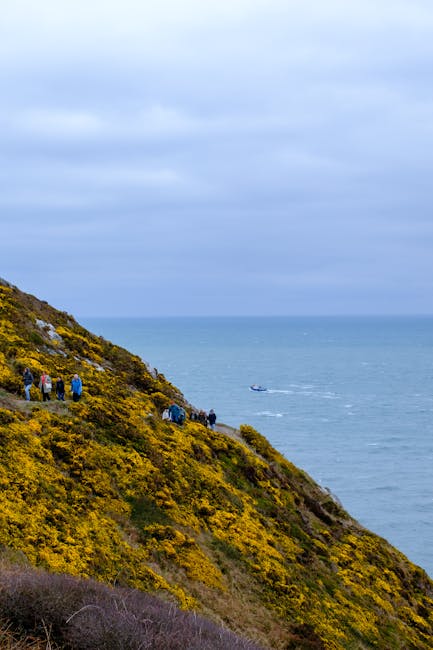
- Day 3: use Dublin Bus for a trip to Howth or Malahide (check express services and timetables) and enjoy a coastal walk; return by train if you prefer to avoid the road back.
Conclusion: Blend Bus, Tram and Bike for a Sustainable Dublin Experience
Exploring Dublin sustainably doesn’t mean sticking to a single transport mode: it’s about smartly combining the strengths of bus, tram and bike to match your needs. The Luas delivers speed and consistency to link main attractions; Dublin Bus extends reach to outlying neighborhoods and offers useful night services; Dublin Bikes gives you freedom, immersion and low cost for short hops. By mixing these options with a Leap Card, following cycling safety guidelines and planning (bus hours ~05:00–00:30, Luas ~05:30–00:30 depending on the day), you’ll strike a great balance between efficiency, comfort and reduced environmental impact.
Before you go, always check up-to-date timetables and fares — municipal services and fare policies change regularly. The addresses cited in this guide (Busáras — Store Street, Dublin 1; Heuston Station — Conyngham Road, Dublin 8; Connolly Station — Amiens Street, Dublin 1; Trinity College Dublin — College Green, Dublin 2) remain useful landmarks. Don’t hesitate to ask drivers and Luas staff for local tips — Dubliners are usually happy to point you to the nicest route or the nearest bike dock.
By adopting this multimodal approach you’ll enjoy Dublin’s charms while sticking to sustainable travel principles. Whether you opt for the quickest Luas ride, a leisurely bike spin through Phoenix Park, or a deep dive into a neighborhood by Dublin Bus, the key is flexibility and preparation. Happy travels — slán agus beannacht — and enjoy Dublin at a pace that respects the city and its people.