





Introduction: Discover Dublin Differently
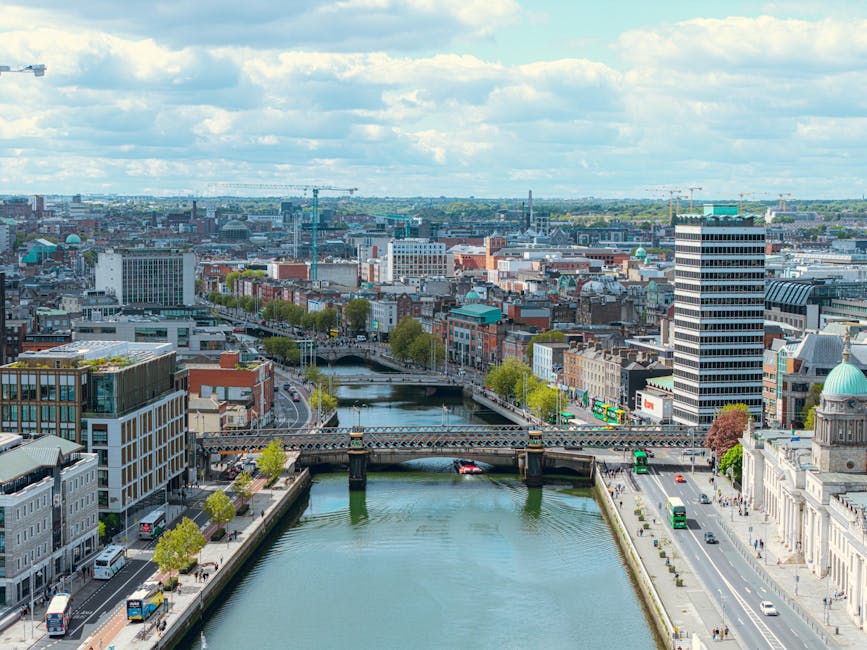
Dublin is often synonymous with Temple Bar, bustling pubs and a lively nightlife. But the Irish capital has a quieter, greener side that many hurried visitors miss. This guide is for people who want to walk, breathe and uncover hidden corners away from the tourist bars: tranquil ponds, coastal promenades, historic cemeteries, botanic gardens, residential streets with colorful facades and secluded banks along the canals. Each of the eight walks below includes a clear route, exact addresses, suggested times, prices in euros where relevant, an immersive description and local tips to get the most out of your outing.
The routes range from easy urban strolls to more challenging but accessible coastal hikes; they’re designed to be done on foot, sometimes combined with a short tram or bus ride. You’ll find practical details: where to stash your bag, where to stop for a quality coffee, which hours to aim for to avoid crowds, and even weather tips for each type of walk. The itineraries intentionally avoid Dublin’s busiest spots and focus on authenticity: local markets, understated street art, urban orchards, cobbled lanes and lookout points mainly frequented by locals. If you love history, architecture, urban nature or simply wandering off the beaten track, these eight routes will give you fresh ways to rediscover Dublin.
A few general recommendations before you head out: wear comfortable walking shoes, carry a waterproof jacket (the weather changes fast in Dublin), bring a power bank for your phone and a small water supply. Some sites mentioned require an entrance fee or booking — the prices and opening times below are indicative and can vary by season; check official sites if you plan a specific visit. The routes are flexible: you can combine them, shorten them or extend them depending on your energy and interests.
Now lace up your shoes and follow these eight secret walks in Dublin — away from the tourist bars — to see the capital in a whole new light.
1. A Quiet Tour of Phoenix Park and Its Green Secrets
Estimated distance: 6–8 km depending on variants. Duration: 2–3 hours at a leisurely pace.
Start: Visitor Centre, Phoenix Park, Chesterfield Avenue, Dublin 8, D08 F6Y2. Park access: free. Times: Phoenix Park is open 24/7; the Visitor Centre is generally open from 09:30 to 17:00 (check seasonally).
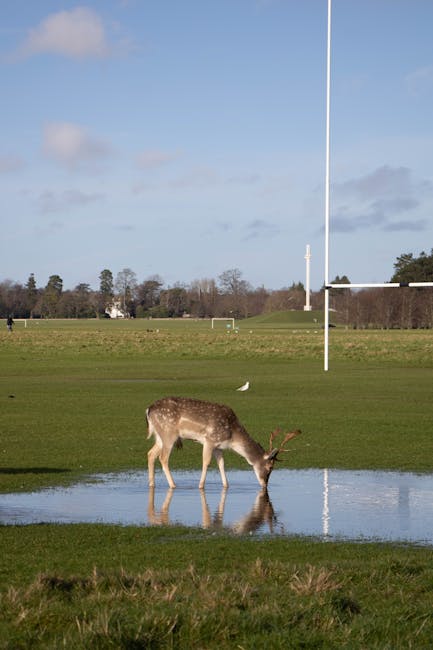
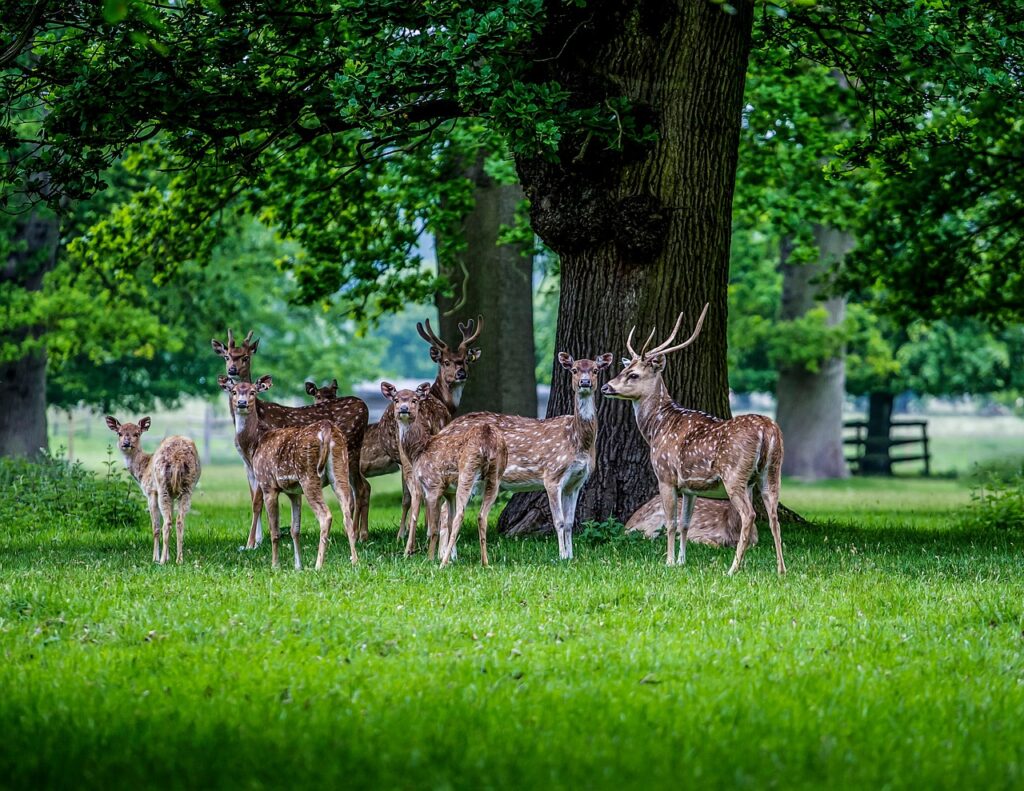
Description: Phoenix Park is one of the largest enclosed urban parks in Europe. Beyond the lawns near the main entrance you’ll find shaded trails, tree-lined avenues and clearings where deer roam free. Begin at the Visitor Centre for a map (often free) and head west along the avenue toward the People’s Gardens, then take the small road past Ashtown Castle (Ashtown Road, Dublin 15). Continue toward the wilder parts of the park where lawns give way to copses and ponds.
Highlights: the official presidential residence, Áras an Uachtaráin (viewable from the outside) and the sweeping areas around the Wellington Monument (Lansdowne Road). Use the quieter northwest paths to spot deer at a distance and enjoy surprising calm just a few kilometres from the city centre.
Local tips: bring binoculars for deer-spotting; early morning or late afternoon are the best times. There aren’t many cafes inside the park — bring a thermos or buy coffee at the Visitor Centre. Dogs are allowed on most paths but keep them on a leash and respect the wildlife. In winter some paths can get muddy: waterproof footwear is recommended.
2. A Botanical Stroll: From Glasnevin to the National Botanic Gardens
Estimated distance: 4 km round trip. Duration: 1.5–2 hours.
Starting point: Glasnevin Cemetery Museum, Finglas Road, Glasnevin, Dublin 11, D11 T3X5. Price: cemetery museum around €12 per adult (indicative). Museum times: 10:00–17:00 (last entry 16:15); closed on some holidays — check glasnevintrust.ie.
Then: National Botanic Gardens, Botanic Road, Glasnevin, Dublin 9, D09 C6T2. Entry: garden access is free; special collections or guided tours may have fees (often €5–€10). Gardens opening hours: 09:00–17:30 (seasonal variations).
Description: start with a visit to Glasnevin Cemetery Museum to learn about Dublin’s political and social history (graves of key Irish figures, memorials and stories). From there walk northeast through residential streets toward the National Botanic Gardens. The route passes Victorian houses, small local shops and cafes where you can grab a coffee before reaching the gardens.
The Botanic Gardens feature historic glasshouses (rare plants, ferns, palms and orchids) and themed plots. Quiet paths and shaded benches make it ideal for botanical photography, sketching or simply relaxing. The rock garden and wetlands are especially interesting for lovers of native plants.
Local tips: plan 45–60 minutes for the museum. The gardens are particularly photogenic in spring (rhododendron blooms) and summer; to avoid crowds come early on weekdays. Bring some small change if you want to buy plants from the garden shop.
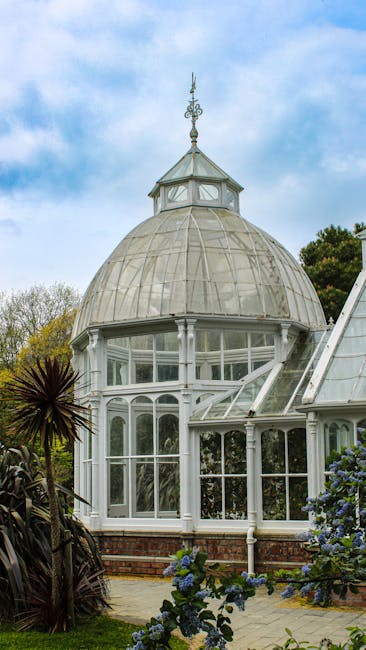
3. Quiet Waters: From Grand Canal Dock to Marino and Fairview
Estimated distance: 5–7 km depending on route. Duration: 1.5–2 hours.
Starting point: Grand Canal Dock, Sir John Rogerson’s Quay, Dublin 2, D02. Description: begin at the waterside of Grand Canal Dock, a modern area known for offices but hiding peaceful walks along the water.
Route: follow the canal’s edge westward, then take the pedestrian/cycle path toward Portobello, pass Grand Canal Square (Docklands, Dublin 2) and head northeast toward Fairview Strand and the residential area of Marino. This loop goes through lesser-used parks, repurposed industrial bridges turned pedestrian links and stretches of water-side vegetation that sway in the breeze.
Highlights: urban artworks along the quays, small marinas, the industrial remains of Boland’s Mills and the sports areas of Fairview Park. Fairview Park is a great spot to watch local families and joggers away from the usual tourist buzz.
Practical tips: Grand Canal Dock can be breezy — bring a windbreaker. For coffee try The Glimmer Man Café at 10 Hanover Quay, Dublin 2 (approx hours 08:00–18:00; coffee from around €3.50). If you want a taste of sea air, finish the walk toward the northeast coast at Fairview Strand.
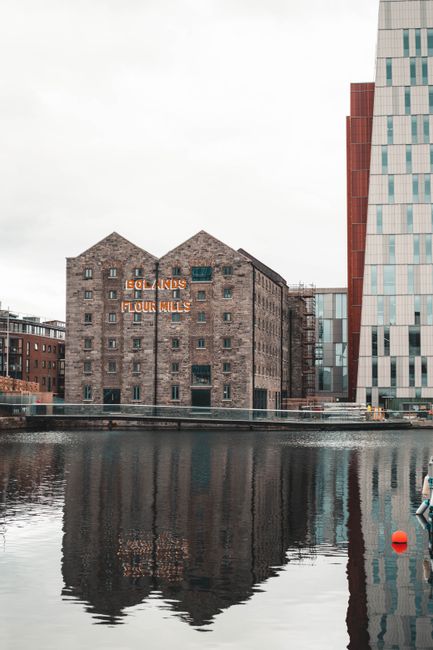
4. Howth Coastal Trail: Cliffs, Harbours and Fishing Villages
Estimated distance: 6–9 km depending on the loop you pick. Duration: 2–3 hours.
Getting there: take the DART from Dublin Heuston or Connolly to Howth Station, Howth, Co. Dublin (about 30 minutes from the centre). DART fares: one-way ~€3.30–€5.50 depending on zone and fare. Howth Station address: Abbey Street, Howth, Co. Dublin.
Description: Howth is a picturesque peninsula north of Dublin with a spectacular coastal trail that’s often less crowded beyond the main pier. From the station walk through the fishing village (shops and fish stalls) and head up to the East Pier for a first glimpse of the cliffs. Then take the Howth Cliff Walk toward the lighthouse and up to Howth Head. The viewpoints offer sweeping panoramas of Dublin Bay, the Irish Sea and — on a clear day — the Wicklow Mountains to the south.
Highlights: Howth Castle (Dublin Road, Howth — note private access restrictions), Harbour Road where you can sample fish soup from a local stall (fresh fish dishes roughly ~€10–€18 depending on the vendor). The loop is flexible: choose a cliffside path for dramatic views or an inner route across meadows for an easier walk.
Local tips: wear light hiking shoes; some sections are rocky. Avoid weekends if you want peace — weekdays early morning or late afternoon are best. Bring water and a windproof layer. You may see seabirds and occasionally seals from the shoreline.
5. A Historic Walk Through the Lanes of Kilmainham and Inchicore
Estimated distance: 3–5 km. Duration: 1–2 hours.
Start: Kilmainham Gaol Museum, Inchicore Road, Kilmainham, Dublin 8, D08 Y9N6. Price: adult ticket around €10–€12 (indicative; booking recommended). Times: guided tours typically run from 10:00–17:00 (check actual schedule).
Description: west of the centre, Kilmainham and neighbouring Inchicore tell Dublin’s industrial and political stories away from the tourist trail. After an often moving visit to Kilmainham Gaol, wander the brick-lined lanes of workers’ houses, spot street art and discover hidden community gardens. The Royal Hospital Kilmainham (Military Road, Dublin 8) and its grounds are a peaceful stop with classical architecture and wide lawns.
Route: from the gaol head down to the South Circular Road, weave through side streets to Inchicore Road where old blacksmith workshops have been turned into cafes and cultural spaces. St. Michael’s church and the adjacent canal offer calm places to sit and watch daily life go by.
Tips: Kilmainham can be cool and breezy — bring a jacket. Gaol tours often require advance booking (check official sites). Stop at the Fumbally café (Fumbally Lane, Dublin 8) for artisanal coffee and a local pastry (coffee roughly ~€3.50–€4.50).
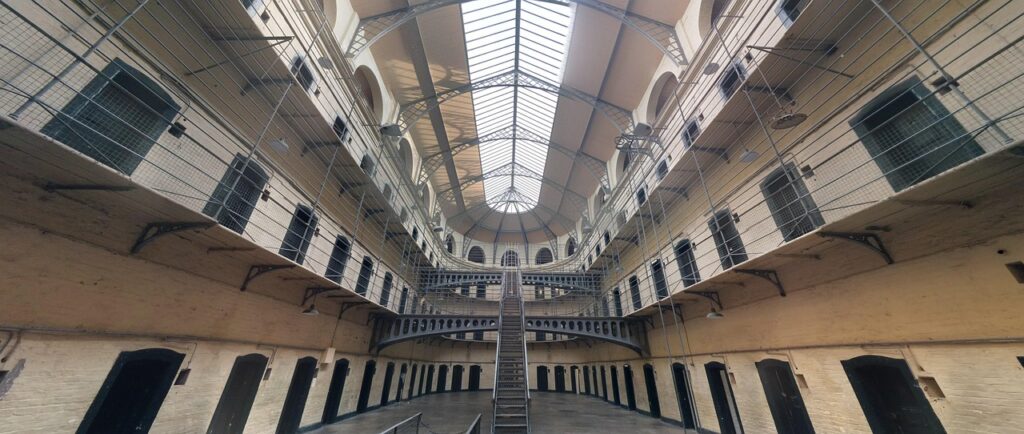
6. Along the Canals: From the Liffey to St. Stephen’s Green via Waterways
Estimated distance: 4–6 km. Duration: 1.5–2 hours.
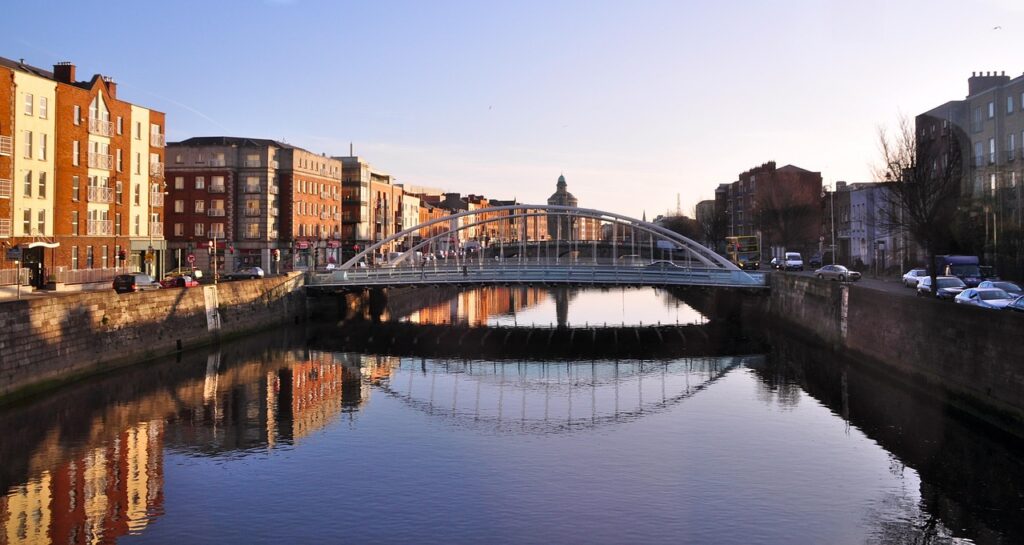
Start: Ha’penny Bridge (River Liffey), Wellington Quay, Dublin 2. Description: cross the historic bridge and head for the banks of the River Liffey, then quickly pick one of the canal branches — the Grand Canal or the Royal Canal — depending on your direction.
Recommended route: from Ha’penny Bridge follow the south-west bank of the Liffey to Grand Canal Dock, then join the Grand Canal towpath toward Portobello. At Portobello the banks become more domestic: canals lined with narrowboats, small private gardens and hidden cafes. Alternatively, branch north on the Royal Canal toward Broadstone and then make your way to St. Stephen’s Green through residential streets.
Highlights: colorful narrowboats, the Canal Café (a floating café in summer — drinks ~€3–€5), and Victorian bridge architecture. This route reveals local life: early-morning joggers, quiet anglers and residents out for a stroll.
Local tips: early morning offers the best light and fewer people. Some stretches are narrow — watch for cyclists. Respect private property along the banks and obey signage.
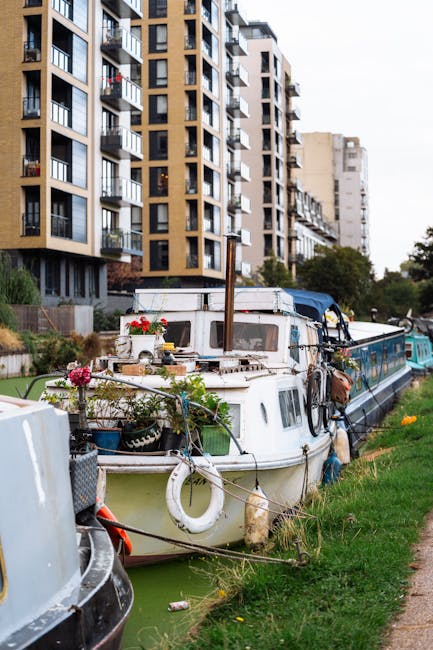
7. Sandymount and Merrion Strand Coastal Circuit
Estimated distance: 4–6 km. Duration: 1–1.5 hours.
Start point: Sandymount Strand, Strand Road, Sandymount, Dublin 4. Description: a long, flat beach much loved by locals for morning walks and dog-walking.
Route: begin at the Sandymount Strand car park (easy access by DART or bus) and walk south toward Merrion Strand. At the end of the seafront head back through quiet residential streets lined with elegant houses and private parks that lead toward the Merrion Gates and Merrion Square Park. This walk mixes sea air, low dunes and refined urban finishes — perfect for a relaxed afternoon.
Highlights: St. Mary’s cemetery in Sandymount (a spot tied to local literary stories) and views of the Wicklow Mountains on a clear day. Cafes along Strand Road serve sandwiches and coffee (meals roughly ~€4–€12 depending on choice).
Tips: the tide can make the beach very wide — check tide times if you plan to walk on the sand. Sea winds can be chilly, so bring an extra layer. On fine days find a bench to watch kitesurfers and seabirds.

8. Hidden Paths of Dublin 8: From The Liberties to Local Markets
Estimated distance: 3–5 km. Duration: 1–2 hours.
Start: St. Patrick’s Cathedral, St. Patrick’s Close, Kevin Street, Dublin 8, D08 H6X3. Description: while the cathedral itself is well known, the lanes that stretch into The Liberties are full of lesser-known passages, artisan workshops and markets.
Route: set off from St. Patrick’s, head toward Marrowbone Lane and descend into The Liberties. Explore local markets such as The Liberties Market (often on Cork Street / Thomas Street depending on scheduling) where you’ll find fresh produce and handcrafted goods (prices vary, food from ~€2–€6). Continue toward John’s Lane and James’s Street to see shoe repair workshops, repurposed tanneries and contemporary street art.
Highlights: Francis St with its independent cafes, the small courtyard of Marsh’s Library (St. Patrick’s Close, entry ~€6–€8), and vintage shops. This is a neighbourhood where Dublin’s industrial past meets a creative revival.
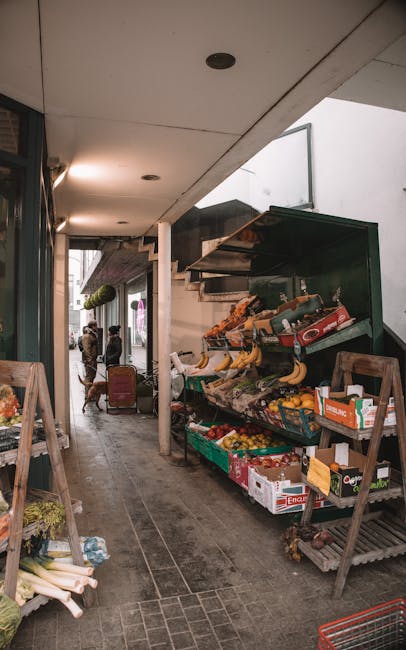
Local tips: visit late morning to enjoy the market and cafés. Look for small wrought-iron signs — they often mark family-run workshops that have been here for generations. Be curious and step into inner courtyards — you might find community gardens or pop-up exhibitions.
Conclusion: Walk, Listen and Let Dublin Surprise You
Dublin offers so much more than its iconic pubs: wander a few blocks or take a short local train and you’ll find green spaces, quiet banks, fishing villages, artisan markets and traces of history that guidebooks often overlook. The eight routes here go beyond the headline attractions to reveal authentic experiences — a morning spent watching deer in Phoenix Park, an hour roaming the glasshouses of the National Botanic Gardens, a coastal hike in Howth, or exploring the industrial lanes of Kilmainham and The Liberties.
Each walk includes practical stops: local cafes, neighbourhood museums, markets and viewpoints. The addresses and times given make planning easier, but remember that Dublin moves with the seasons and local events: special markets, temporary closures and changing opening hours may affect your plans. To get the most from these routes follow a few simple rules: head out early for the best light and quiet, respect wildlife and private spaces, dress for changeable weather and, above all, leave time to stop, listen and talk to locals. Dubliners are often warm and proud to share their favourite spot — a tip, shortcut or cafe recommendation can turn a good walk into something unforgettable.
Finally, adapt these walks to your pace: combine several for a longer day or choose one for a half-day discovery. Keep this guide handy as a flexible roadmap — it’s designed to be tweaked based on what you want more of: nature, history or architecture — and to help you explore Dublin off the beaten path. Happy walking, and let Dublin reveal its secrets one step at a time.