





Introduction — Why Escape Temple Bar (and Where to Go Instead)
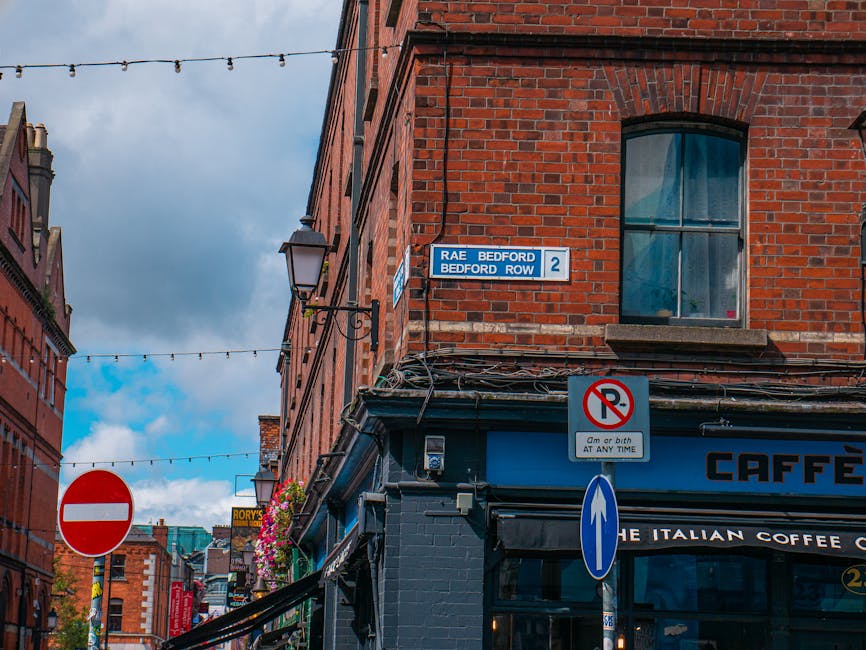
Temple Bar is often the first picture visitors get of Dublin: cobbled lanes, noisy pubs, live music on every corner. But as appealing as that image can be, it also comes with crowds, queues and tourist-tailored experiences. This guide is for those who want to explore Dublin beyond the clichés: intimate museums, neighborhood galleries and local cafés where people work, chat and take their time. This isn’t just about dodging the crowds; it’s about meeting the city on its own terms—feeling its textures, hearing its quieter voices and discovering places where history and creativity are lived at human scale.
This guide gives you a practical route and concrete recommendations to visit museums and cafés away from Temple Bar, with exact addresses, prices in euros, opening hours current at the time of writing, immersive descriptions and local tips to make the most of each visit. You’ll find national institutions that are often less busy, indie galleries, historic houses and cafés serving excellent coffee and homemade food, all a short tram ride or walk from lively but less touristy neighborhoods.
The aim isn’t only practical: it’s also sensory and aesthetic. Each suggested museum offers a different atmosphere—from hushed rooms where history is read, to workshops where contemporary art is made before your eyes. The cafés chosen favour quality roasting, respect for ingredients, and settings that encourage conversation or focused work. Prices are listed in euros to help you budget; hours follow typical patterns but can vary with seasons or special events—check official sites before you go.
As a preview, this guide includes spots such as the National Museum of Ireland – Decorative Arts & History (Collins Barracks), Dublin City Gallery The Hugh Lane, Kilmainham Gaol Museum, Marsh’s Library and the Irish Jewish Museum, but we’ll also head out to neighborhood cafés like The Fumbally, Brother Hubbard and The Woollen Mills. Each place is described clearly: full address, indicative prices (entry, coffee, dish), usual opening hours, a short route from the centre, atmosphere and practical tips (best times to visit, where to sit, which rooms to prioritise, how to avoid queues).
This guide is aimed at curious travellers, locals wanting to rediscover their city and business visitors seeking calm spots to work between meetings. Rather than an exhaustive list, it gives reliable, tested signposts to build a day off the beaten track, paced by cultural visits and well-chosen coffee breaks. Pack comfortable shoes, a notebook and your curiosity: Dublin beyond Temple Bar deserves to be explored slowly.
Neighbourhood Museums: Accessible Treasures, Often Free
Dublin is full of museums that are less famous than the tourist hotspots but rich in collections and atmosphere. Start with the National Museum of Ireland – Decorative Arts & History, housed in Collins Barracks. Address: Collins Barracks, Benburb Street, Dublin 7. Usual hours: Tuesday–Saturday 10:00–17:00, Sunday 14:00–17:00, closed Monday. Price: Free entry (some temporary exhibitions may charge, €5–8). The museum occupies former British barracks: stone floors, high vaults and well-spaced display cases. Collections range from Georgian design to furniture, textiles and ceramics, plus a fascinating section on Irish military history. Local tip: aim for a weekday morning to enjoy natural light and a calm rarely found in central museums.
A few bus stops away, Dublin City Gallery The Hugh Lane (address: Parnell Square North, Dublin 1) offers a modern and contemporary art collection set in a Georgian house and a contemporary extension. Hours: Tuesday–Sunday 10:00–17:00, closed Monday. Price: Free entry (donations welcome; special exhibitions €5–10). A highlight is the reconstructed studio of Francis Bacon, which creates an intimate, slightly mysterious atmosphere. The dimmed lighting and domestic scale of the rooms make the visit ideal for lingering.
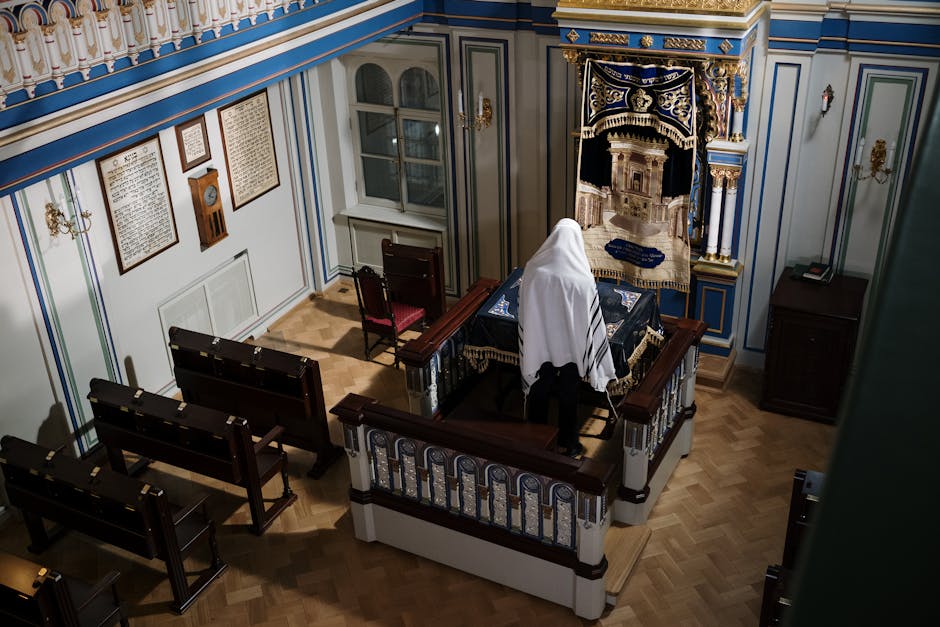
More unusual, the Irish Jewish Museum sits in the Portobello neighbourhood not far from the centre. Address: 3 Walworth Road, Portobello, Dublin 8. Hours: Tuesday–Saturday 11:00–16:30 (closed Sunday and Monday, check public holidays). Price: Adults €6.00, students/seniors €4.00. Housed in a family home, the museum tells the story of a often-overlooked Dublin community through objects, documents, photographs and oral histories. The atmosphere is intimate, almost domestic—perfect for visitors seeking a personal, low-traffic experience.
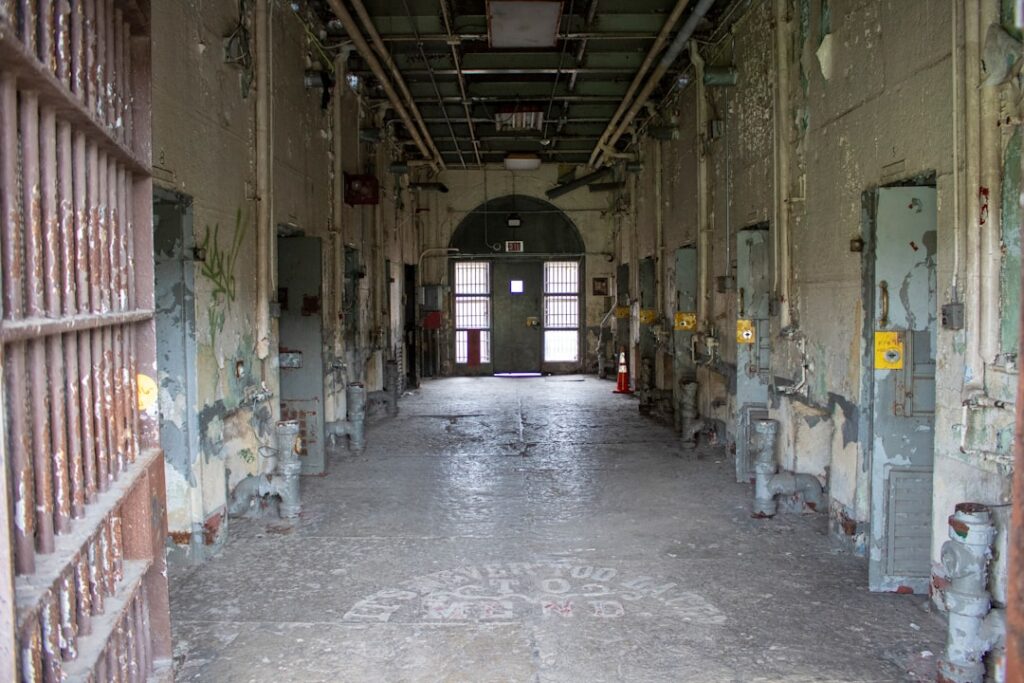
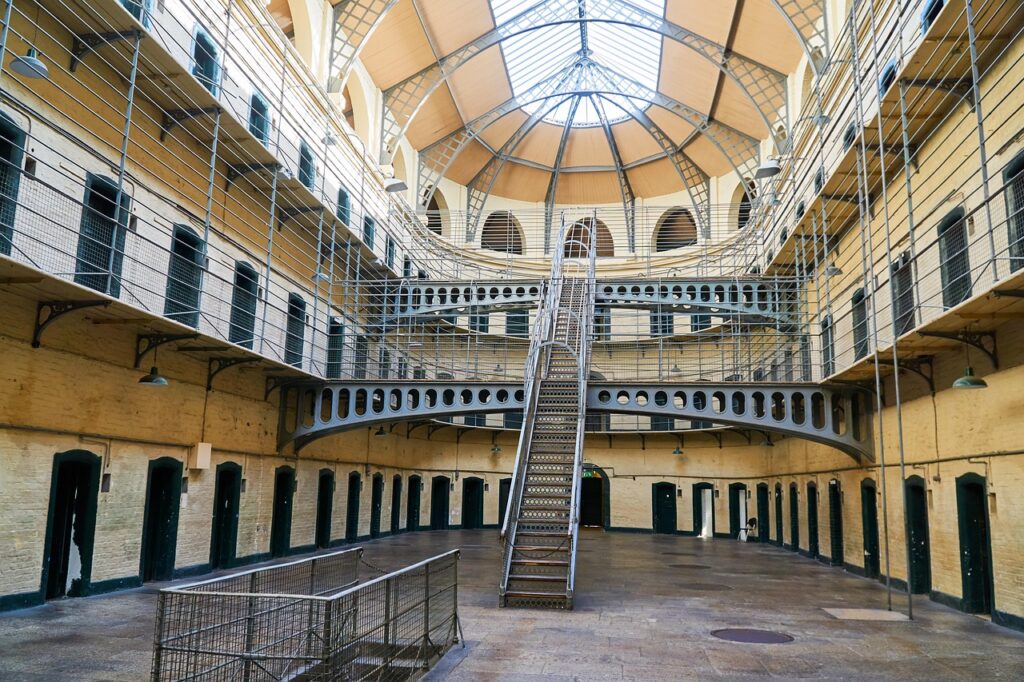
Finally, for a powerful historical immersion, Kilmainham Gaol Museum (address: Inchicore Road, Kilmainham, Dublin 8) is worth the trip out of the centre. Hours: Tuesday–Sunday 10:00–17:00 (hours vary in high season). Price: Adults around €9–10, students/seniors €6–8 (guided tours included). As a site of memory, the prison offers guided tours explaining uprisings and key political figures in Irish history. The experience is striking: narrow corridors, restored cells and quiet gardens surrounding the building. Tip: book your tickets online in the morning to avoid the busy afternoon slots.
Independent Galleries and Art Spaces Where You’ll Actually Meet Artists
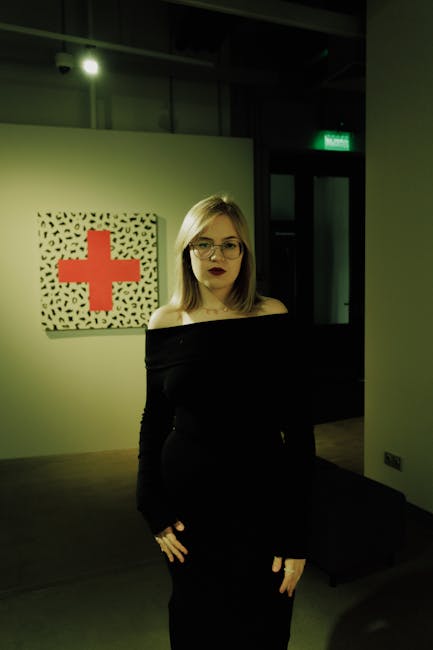
If you want more hands-on art experiences—where you can chat with artists, see performances or attend intimate openings—Dublin has a network of independent galleries scattered outside Temple Bar. Start with the Project Arts Centre (address: 39 East Essex Street, Temple Bar)—although close to Temple Bar, it’s often less crowded than the main tourist sites: opening times vary with shows and exhibitions, tickets vary. To stay strictly away from Temple Bar, head for reliable venues outside the tourist core.
The Douglas Hyde Gallery (address: Harcourt Street, Trinity College Dublin, Dublin 2) presents ambitious contemporary exhibitions. Hours: Tuesday–Saturday 10:00–17:00, most exhibitions are free to enter, though some performances may be ticketed. The space is sculptural, designed to showcase large-scale installations. Tip: check the events calendar for talks or guided tours—these are great opportunities to meet artists and curators.
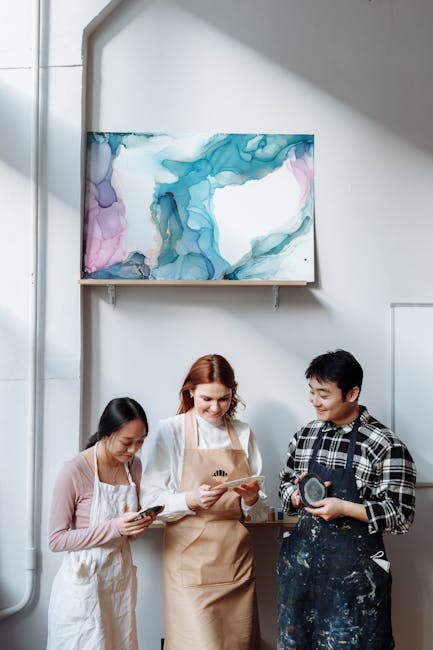
For a more intimate approach, look for small galleries in creative neighbourhoods like Rathmines and The Liberties. These pocket venues often change programming quickly: open studios, group shows and screenings. They usually keep reduced hours (e.g. Thursday–Sunday 11:00–17:00) and operate on a donation or pay-what-you-can model. Local tip: follow galleries and local artists on Instagram to catch Thursday night openings—this is when the art scene gathers in a relaxed atmosphere.
Another place to note is Temple Bar Gallery + Studios (address: 13/14 East Essex Street, Temple Bar)—technically in Temple Bar, but its studios and shows are less tourist-focused and strongly support local contemporary creation. To fully avoid crowds, prioritise galleries fed by neighbourhood collectives (e.g. pop-up shows in Smithfield or Phibsborough), where entry is often free and the programme unpredictable but exciting.
Historic Houses and Old Libraries: Silence and Details to Discover
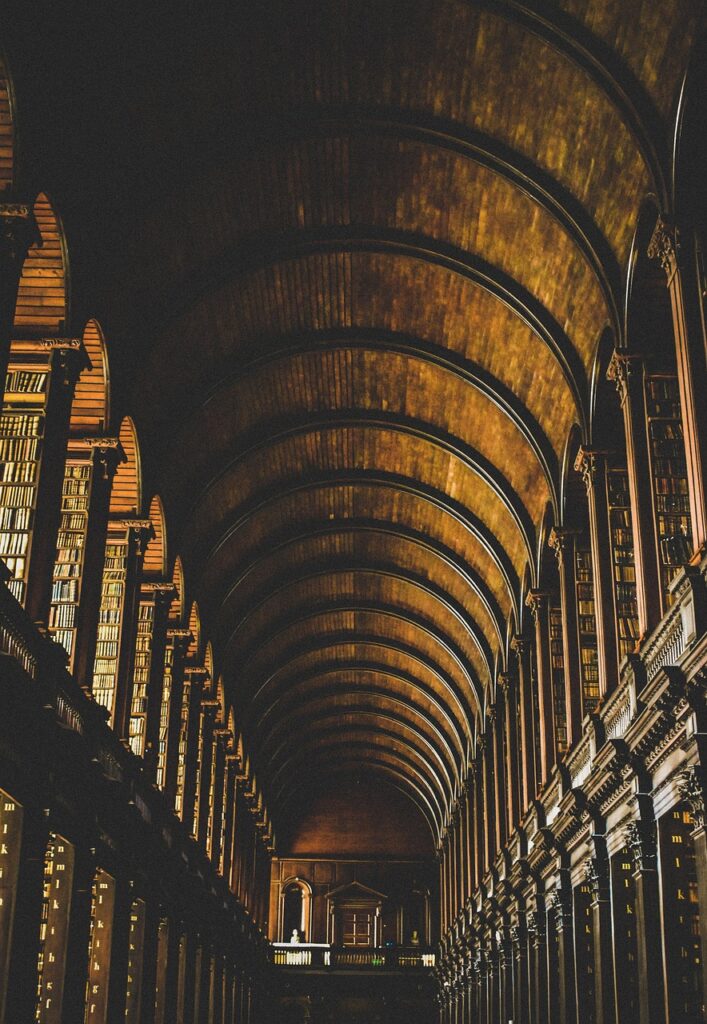
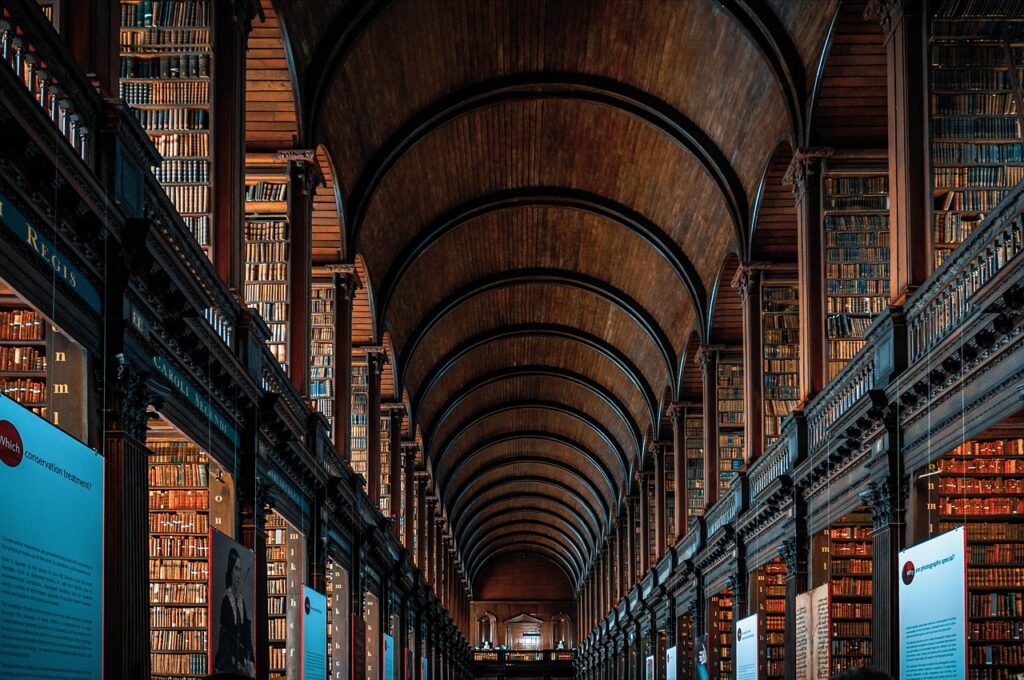
For history lovers who want the intimacy of old places, Dublin offers houses and libraries off the major routes. Marsh’s Library is a perfect example: address St Patrick’s Close, Dublin 8, located right next to St Patrick’s Cathedral. Hours: Tuesday–Saturday 10:00–16:45, Sunday 12:00–16:45; price: Adults around €6.50, reduced rates for students/seniors. Founded in 1707, Marsh’s Library preserves a collection of rare books in an intact architectural setting. The feel is that of a carefully curated cabinet of curiosities—dark shelving, spiral staircases and handwritten labels. Tip: join the short guided tour at the top of the hour to understand the collections’ history and spot original details that make the place so charming.
A short hop away but often overlooked by mass tourism is Farmleigh House (address: Farmleigh, Phoenix Park, Dublin 8). Farmleigh is the official state guesthouse for visiting dignitaries, but it’s also open to the public by reservation. Hours vary by season, often with guided tours Tuesday–Sunday, 10:30–16:00; price: generally free or donation-based, reservations recommended. The gardens and reception rooms offer a glimpse into the life of a state residence, with historic china, furniture and extensive grounds.
Another gem, the Royal Irish Academy Library (address: 19 Dawson Street, Dublin 2) holds rare collections and a quiet research environment. Access can be restricted: hours and conditions depend on intended use, so it’s best to contact the library to plan a visit. Tip: if you’re researching a specific topic (local history, manuscripts, genealogy), email ahead—the staff can prepare material and sometimes grant near-private access.
Neighbourhood Cafés: Where to Grab Coffee, Work or Chat Without the Hordes
Cafés are anchors for a successful cultural day: a pause between museums, a place to write, or simply a moment of rest. Here’s a selection of neighbourhood cafés that deliver quality, atmosphere and comfort—far from Temple Bar’s tourist buzz.
The Fumbally — address: 5 Fumbally Lane, Dublin 8. Hours: Wednesday–Sunday 09:00–16:30, closed Monday and Tuesday (check weekend hours). Indicative prices: filter coffee €3.50–4.00, cappuccino €3.50–4.50, brunch dishes €8–15. Atmosphere: soft industrial, long wooden tables, hanging plants, a neighbourhood crowd and freelancers. The place prioritises local ingredients and house recipes (granola, bowls, pastries). Tip: arrive before 11:00 to secure a table or sit outside when the weather allows.

Brother Hubbard — address: 153 Capel Street, Dublin 1 (Brother Hubbard North). Hours: Daily 08:00–16:30, until 17:00 on certain days. Prices: cappuccino €3.50–4.50, ricotta pancakes €9–12, salads €8–12. This café is popular with locals but keeps a relaxed, friendly vibe. The menu is inspired by Middle Eastern flavours—ideal for a tasty lunch between museum visits. Local tip: ask for a window table to enjoy the light and street life.
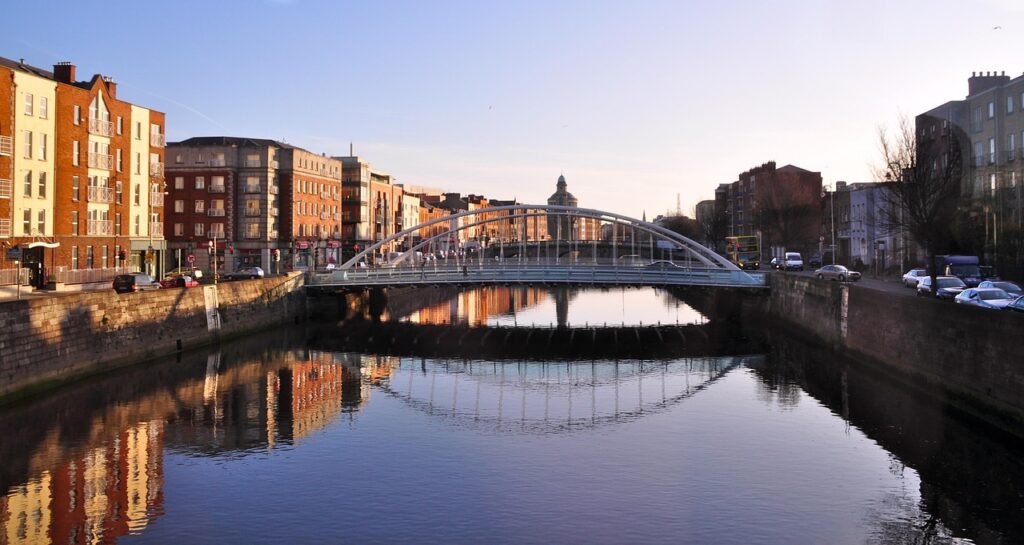
The Woollen Mills — address: 42 Ormond Quay Lower, Dublin 1. Hours: Daily 08:30–17:00 (seasonal variations). Prices: coffee €3.50–4.50, brunch €10–16. Housed in a historic building on the Liffey, this café-restaurant serves hearty food, good coffee and a pleasant terrace when the sun’s out. The interior mixes industrial objects with vintage furniture, creating a comfortable urban feel. Tip: for an afternoon of reading or work, ask for a plug socket near the window—the place is wifi-friendly and has quieter corners.
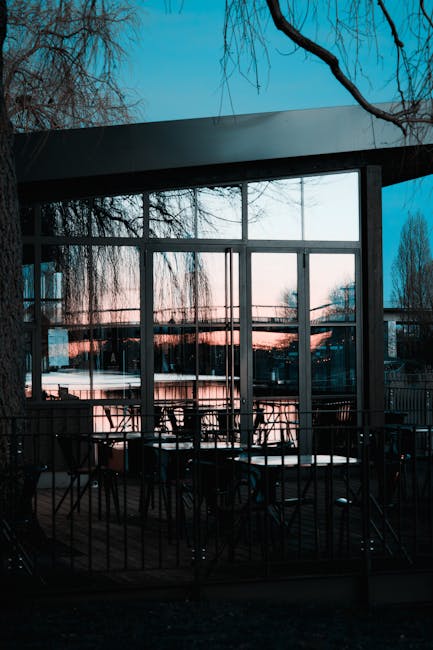
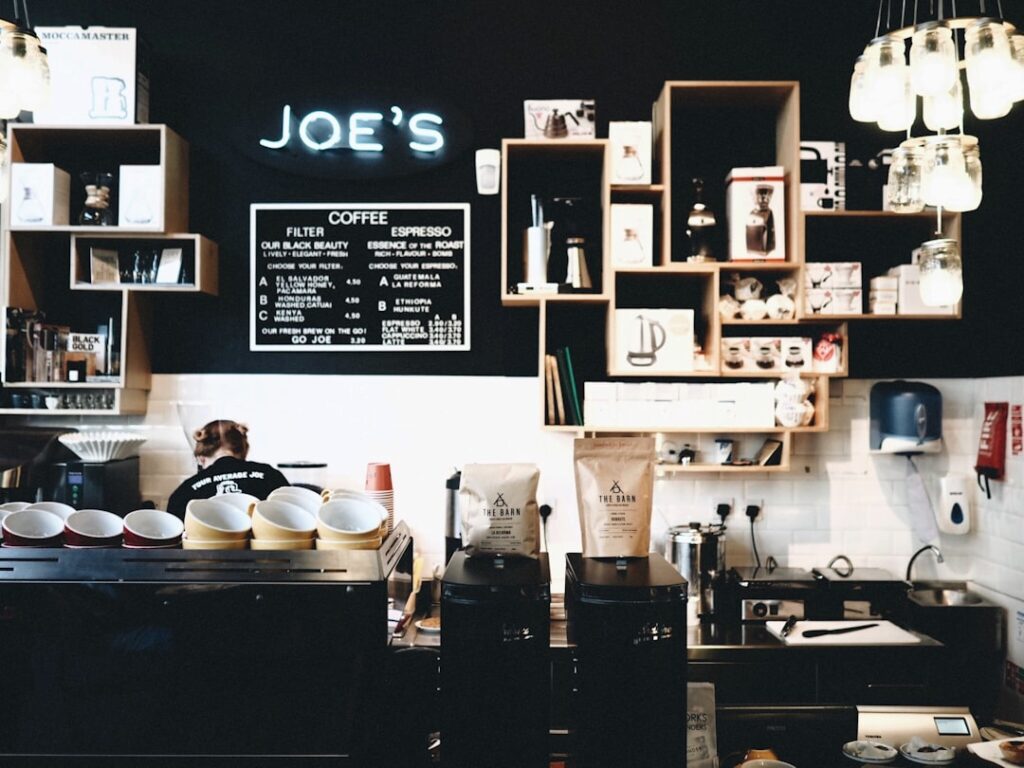
For a quick, quality coffee, look for local roasters with a street presence: places like 3FE (check current address) or the small independent cafés in Rathmines, Phibsborough and Smithfield often serve a well-made espresso for €2.80–3.80 and provide a tranquil corner far from tourist flows.
Practical Tips for Planning a Cultural Day Away from the Crowds
A little planning goes a long way to maximise enjoyment and minimise queues. Here are proven tips for museum-and-café outings in Dublin, away from Temple Bar.
- Pre-book when possible: some sites like Kilmainham Gaol and Farmleigh require or recommend online booking for time slots. Small galleries rarely need it, but an email the day before can secure a guided visit.
- Visit early morning or late afternoon: for free museums (National Museum, Hugh Lane), the 10:00–12:00 and 15:00–17:00 windows are often quieter. Avoid weekend mid-days if you value peace and quiet.
- Combine a neighbourhood visit with a coffee break: plan a morning at Collins Barracks, lunch nearby at the museum café (Collins Barracks Museum Café, Benburb Street—coffee €3.00–4.50, sandwiches €6–9) then finish the afternoon at The Fumbally for a second coffee and some writing time.
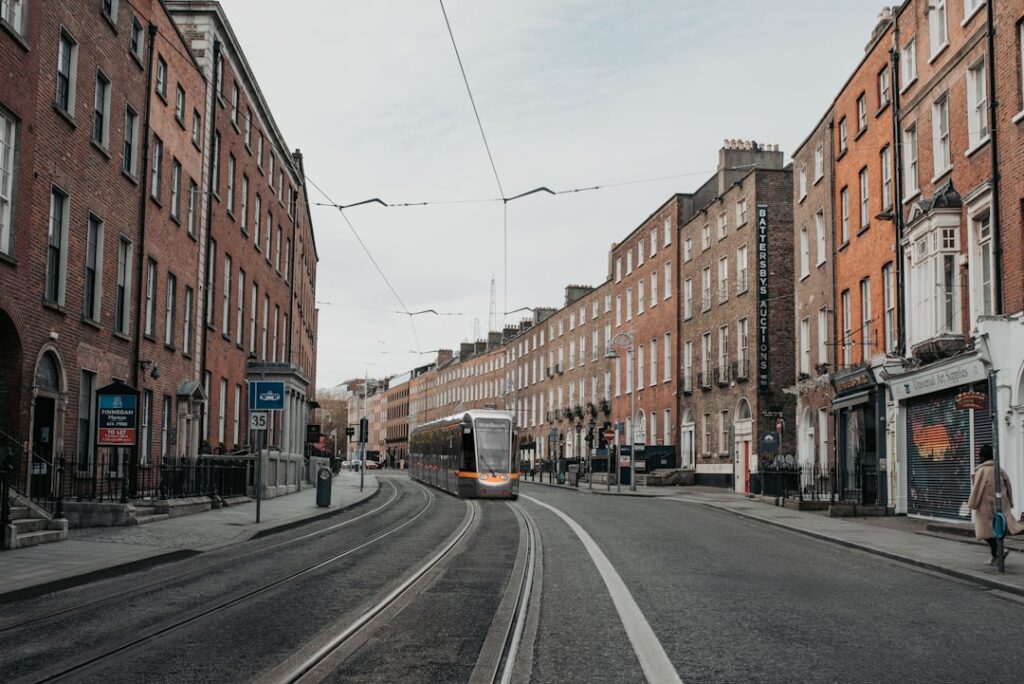
- Transport: taking the LUAS tram or local buses is often faster than taxis for reaching areas like Kilmainham or Portobello. Get a Leap Card if you’ll use public transport frequently—it’s cheaper and more convenient.
- Respect opening schedules: many small museums close on Monday. Also check for reduced Sunday hours.
- Dress comfortably: Dublin is best explored on foot—wear suitable shoes, bring a light waterproof and keep a pocket for your bags if you’re in transit; this makes hopping between cafés and museums easier.
- Talk to the staff: museum and café staff love to share tips—ask about lesser-known exhibits, upcoming literary nights or local concerts; their suggestions can transform your visit.
Suggested Anti-Cliché Day Itinerary
Here’s a sample full day outside Temple Bar that mixes museums and cafés for anyone wanting to see the city differently.
Morning — 09:30: Arrive at Collins Barracks, Benburb Street, Dublin 7. Visit the National Museum of Ireland – Decorative Arts & History. Enjoy the free entry and the design displays. Coffee break around 11:15 at the Museum Café at Collins Barracks (coffee €3.00–4.50, pastry €3–5).
Noon — 12:30: Take the bus or walk to The Fumbally, 5 Fumbally Lane, Dublin 8 for a homemade lunch and a local atmosphere (brunch €8–15). After eating, wander through The Liberties toward Kilmainham for a digestive stroll.
Afternoon — 14:30: Guided tour of Kilmainham Gaol, Inchicore Road, Kilmainham, Dublin 8 (book online recommended; adult price around €9–10). Finish with a walk in Phoenix Park or head back to Marsh’s Library (St Patrick’s Close, Dublin 8) if you prefer a quieter afternoon in an old library.
Evening — 17:30: Coffee-cocktail at The Woollen Mills, 42 Ormond Quay Lower, Dublin 1; a light dinner or savory tart and a riverside stroll. For theatre or a small gallery show, check the Douglas Hyde Gallery or the programme at Parnell Square for evening events.
This itinerary can be tailored to your interests: contemporary art, social history or neighbourhood cafés. Each segment can be lengthened or shortened depending on your pace and the weather—Dublin rewards slow exploration.
Conclusion — Rediscover Dublin, One Place at a Time
Leaving Temple Bar behind doesn’t mean losing Dublin’s spirit; often it’s the opposite—you meet it more directly. Neighbourhood museums, old libraries, independent galleries and local cafés offer more nuanced, intimate experiences where details win over clichés. You’ll come away with precise impressions: the texture of a Georgian chair, the handwriting in an ancient book, the intensity of a contemporary installation, the flavour of freshly roasted coffee.
This guide has given you verifiable addresses (Collins Barracks, Benburb Street; Dublin City Gallery The Hugh Lane, Parnell Square North; Irish Jewish Museum, 3 Walworth Road; Kilmainham Gaol, Inchicore Road; Marsh’s Library, St Patrick’s Close), indicative prices and hours, and above all practical tips to get the most from each visit. Prices and opening times reflect common practice but can change—always check official sites before you set out. The cafés listed (The Fumbally, Brother Hubbard, The Woollen Mills) are perfect for extending a visit, working or simply watching neighbourhood life.
Finally, the best way to enjoy Dublin off the beaten path is to stay curious and open: chat with curators, baristas and locals; take time to observe; plan a day that blends culture with pauses. You’ll discover a city that is rich, diverse and surprisingly welcoming—far from the one loud, singular image Temple Bar can project. Bring a notebook, keep your schedule flexible and let yourself be surprised.