





Introduction: Why Choose a B&B in Dublin and What to Expect
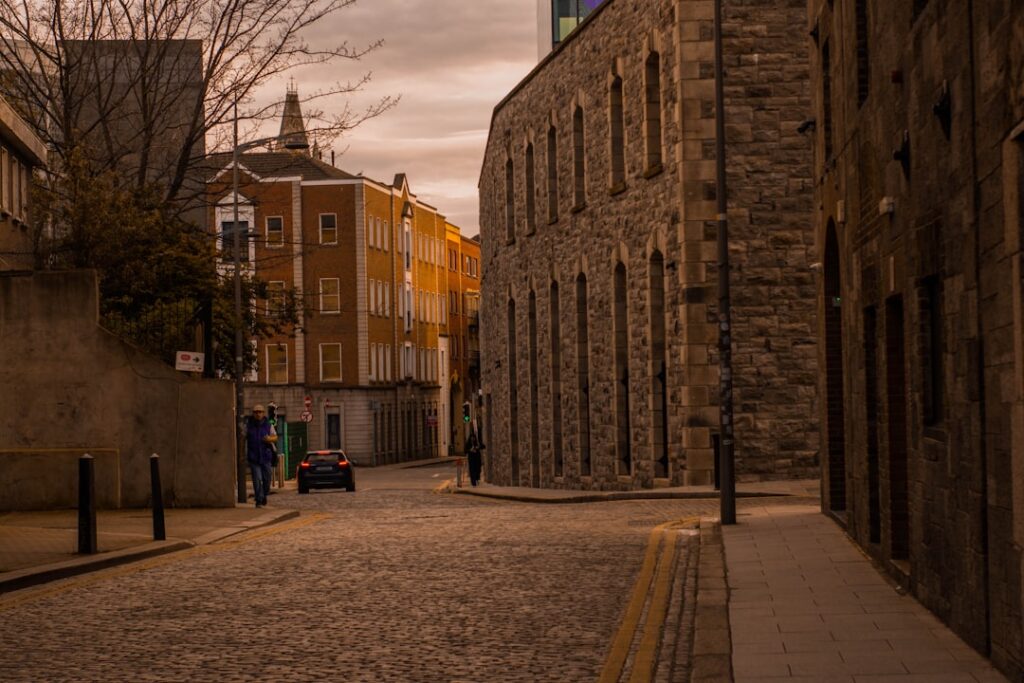
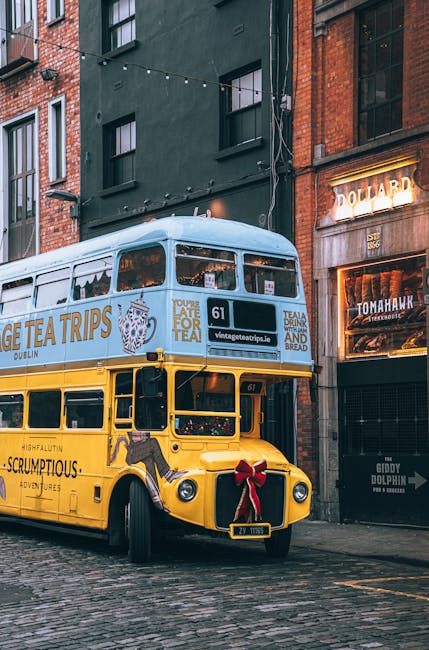
Dublin, Ireland’s warm, compact capital, charms visitors with its cobbled streets, painted Georgian houses and welcoming spirit. For travelers who want a local experience, staying in a bed & breakfast (B&B) is often the perfect balance of comfort, personal service and authentic discovery. Unlike large hotels, most Dublin B&Bs are family-run or run by small groups of hosts who live in the same neighborhood: expect on-the-spot tips, little touches (home-cooked breakfasts, custom maps) and insider recommendations for dining and nightlife.
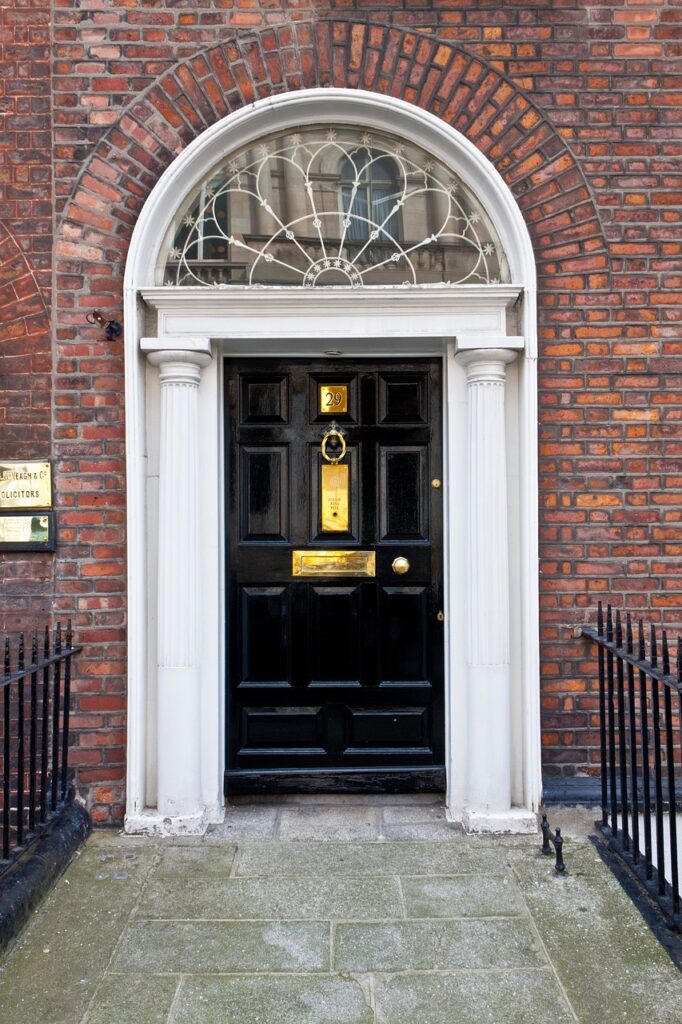
A stay in a Dublin B&B can also mean sleeping in buildings full of history: it’s common for your room to be in a Georgian townhouse a stone’s throw from Trinity College (College Green, Dublin 2) or a Victorian home in Ballsbridge (Dublin 4). Expect rooms that are often smaller than hotel rooms, sometimes a narrow staircase or a cozy landing decorated with local objects, and a friendly atmosphere where breakfast — frequently a Full Irish Breakfast — becomes a highlight of the day.
Before you book, it helps to know a few practical facts: B&B prices typically range from €60 to €180 per night depending on season, location and level of comfort. Standard check-in is usually from 15:00 and check-out before 11:00, though many hosts are flexible if you ask. Most places include breakfast served between 08:00 and 10:00; some offer à la carte options or a buffet with porridge, homemade bread, jams and Irish tea. Finally, Wi‑Fi quality, whether the bathroom is private, and proximity to bus routes or the Luas (tram) are key details to confirm before you finalize your reservation.
This guide helps you understand how Dublin B&Bs work, spot signs of quality, and book smart so you can make the most of the city — from Temple Bar and Grafton Street to quieter parks like Merrion Square. You’ll find practical advice on reading listings, typical addresses, price estimates, common timings, and tips to avoid unpleasant surprises. The goal: a stay that’s both comfortable and authentic, away from tourist traps and close to the heart of Dublin life.
Choosing the Right Neighborhood: Ballsbridge, Dublin 2, St Stephen’s Green and More
Your neighborhood choice will hugely shape your B&B experience. Dublin is compact but varied: each area has its own vibe and advantages. Here’s a rundown of popular neighborhoods for B&B stays, with practical pointers and typical price ranges.
- Ballsbridge (Dublin 4) — A smart residential neighborhood close to the Aviva Stadium and Herbert Park. Great for travelers seeking peace and easy bus links to the airport. Typical example: Lansdowne Guesthouse, 140 Shelbourne Road, Ballsbridge, Dublin 4. Price guide: €90–150 per night. Pros: often roomy accommodations, gardens, tree-lined streets. Cons: a bit further from the pedestrian center if you want to walk everywhere.
- Dublin 2 / Trinity College and Temple Bar — The tourist and cultural heart. Typical example: Georgian Townhouse B&B, 14 Merrion Square North, Dublin 2. Price guide: €100–180 per night. Pros: everything on your doorstep (museums, pubs, restaurants). Cons: nighttime noise near Temple Bar and higher prices.
- Ranelagh and Rathmines — Neighboring southside suburbs popular with young families and expats. Typical example: Ranelagh House B&B, 22 Ranelagh Road, Dublin 6. Price guide: €75–130 per night. Pros: independent cafes, good transport (Ranelagh Luas stop). Cons: fewer tourist rooms — check availability.
- Smithfield / Dublin 7 — An area in transition, close to the Liffey and the Jameson Distillery. Typical example: Smithfield Guest Rooms, 5 Queen Street, Dublin 7. Price guide: €65–110 per night. Pros: young vibe, museums and local life. Cons: some streets remain industrial.
Practical tips: aim for a B&B within a 15-minute walk of a Luas stop or a direct bus route (for example the 145 to the airport). Also check whether the B&B offers luggage storage (often free) and information on parking if you’re driving — parking in Dublin can cost €2–4 per hour in paid zones.
What to Check Before Booking: Amenities, Breakfasts and Policies
Reading a B&B listing carefully is essential to avoid surprises. Unlike standardized hotel ratings, B&Bs vary widely. Here are concrete things to check:
- Bathroom type — private or shared? Some B&Bs advertise an attractive rate but the bathroom is shared. If privacy matters, look for the term « en-suite ». Example: « Double room en-suite with shower ».
- Breakfast — included or optional? Most B&Bs include breakfast (Full Irish or continental) served between 08:00 and 10:00. Confirm the menu if you have dietary restrictions: many hosts offer vegetarian options, porridge, and gluten-free breads on request. Price for breakfast if not included: typically €6–12 per person.
- Check-in and check-out times — standard: check-in from 15:00/16:00, check-out before 11:00. Many hosts accept late arrivals if you notify them in advance, sometimes for a small fee (€5–10).
- Cancellation policy — flexible or strict? Check the notice period (commonly 48–72 hours) and any penalties. During high season (St. Patrick’s Day, festivals), rules may be tighter.
- Accessibility and stairs — some Georgian houses have no lift: mention if you have heavy luggage or mobility issues.
- Wi‑Fi and conveniences — free or charged? Most places offer Wi‑Fi at no extra cost, but speeds vary. Ask whether there’s a socket by the bed for charging devices.
Another tip: read several recent reviews (within the last six months) and check how the host responds to negative feedback — a responsive host is a good sign. Always ask for the full address (number, street, postcode) to verify the location on a map and estimate travel time from Heuston Station or Dublin Airport (about 10–15 km from the city center).

Local Tips for a Great Stay: Transport, Going Out and Little Secrets
To get the most out of your Dublin B&B stay, pick up a few local habits. Dublin is very walkable, but knowing transport options and local tips will turn a decent trip into a memorable one.
- Local transport — The Luas (tram) and Dublin Bus cover the city well. Buy a Leap Card to save money: single adult fares in the city ≈ €1.55–2.40 depending on distance. The Airlink 747/757 connects the airport to the center for about €7 one-way (2024 indicative fare). Many B&Bs will give precise advice on the best route from their exact address.
- Restaurants and pubs — Avoid Temple Bar’s tourist traps for dinner. Ask your host for local spots like The Winding Stair, 40 Ormond Quay Lower, Dublin 1 (main courses from around €15) or the bistro Forest Avenue, 44b Morehampton Road, Dublin 4 (tasting menus). For an authentic pint near your B&B, ask about the neighborhood pub — usually cheaper and friendlier than tourist spots.
- Museums and opening hours — Many museums have free days (National Gallery of Ireland, Merrion Square West, Dublin 2 — free); check opening times: the National Museum of Ireland – Archaeology (Kildare Street, Dublin 2) typically opens 10:00–17:00. Major attractions often close between 17:00 and 18:00.
- Safety and local etiquette — Dublin is generally safe, but as anywhere, watch your valuables and avoid leaving bags at the back of a pub. B&B hosts can recommend a safe route home at night, often walkable if it’s under a 15-minute walk.
Finally, the best tip: talk to your host. They often know about unadvertised concerts, local food markets (for example the Howth Market by the sea at the weekend), or might even pack you a lunch for a day trip. The real charm of a Dublin B&B is the human connection and the small doors it opens into a city that’s always a pleasure to explore.
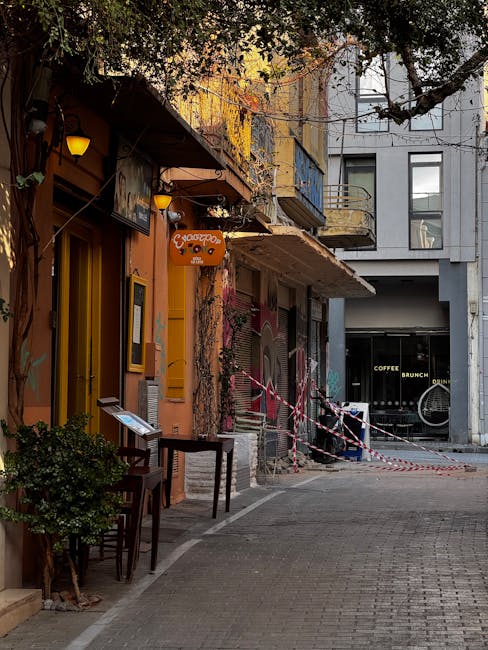
Conclusion: Book Smart to Experience Dublin Differently
Choosing a B&B in Dublin means opting for authenticity, personal encounters and tailored comfort. To book wisely, combine careful reading of listings, recent reviews, checking amenities (private bathroom, Wi‑Fi, opening hours) and messaging the host directly: a quick message before booking often gets you practical info on parking, breakfast or airport transfers. Keep the usual price ranges in mind (€60–180 per night depending on location and season) and typical times (check-in from 15:00, check-out around 11:00, breakfast between 08:00 and 10:00).
During your stay, use the B&B as a base to explore Dublin’s highlights: strolls around Trinity College and Merrion Square, traditional music in a neighborhood pub, weekend markets and coastal walks in Howth. Don’t hesitate to ask your host for local recommendations — often those tips are what turn an okay trip into a true Dublin experience. In short: plan ahead, communicate, and let yourself be guided — the charm of Dublin’s B&Bs lies as much in the city as in the people who welcome you.