





Introduction — Why take an offbeat stroll in Stoneybatter?
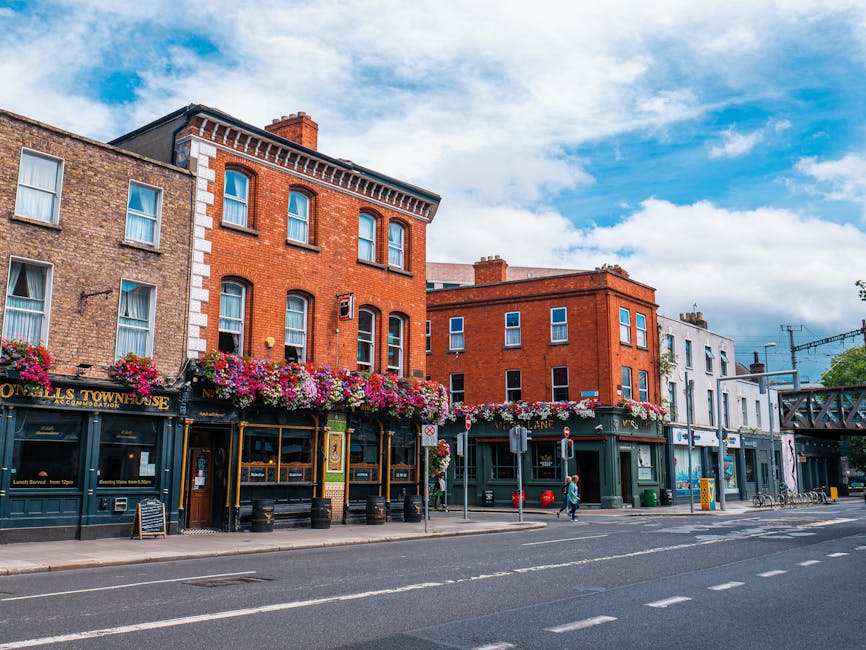
Stoneybatter, tucked into the northwest corner of Dublin’s city centre (Dublin 7), is one of those neighbourhoods that charms visitors looking for something real and unhurried, away from the usual tourist routes. Once a working-class suburb, it’s been reborn as a creative and food-focused pocket of the city, yet it still feels village-like: brick-fronted houses, narrow lanes, small parks and a steady stream of cafés, restaurants and pubs run by locals. The Dublin you’ll find here isn’t the one of double-decker buses and queues at major sights, but a close-up Dublin — where people linger over coffee, chat at the bar and browse a neighbourhood market.
This offbeat walk is designed to be done on foot at your own pace, focusing on tangible spots: tucked-away gardens, local markets, neighbourhood eateries, traditional pubs and lesser-known cultural markers. The guide prioritises practical details (exact addresses, opening hours, rough prices), immersive descriptions and local tips to help you make the most of your visit: when to go, what to order, how to get around and what little things to look out for. The goal is twofold: give you a route you can do in half a day or a full day, and inspire you to wander beyond the main drag.
Stoneybatter is perfect for travellers who like to mix aimless wandering with sensory discoveries: the smell of fresh bread from a tiny bakery, the sound of a folk band in an unpretentious pub, the colours of murals that tell the neighbourhood’s story. It’s also a playground for photographers (street angles, textures, market scenes) and foodies curious about micro-restaurants that have built loyal followings. And it’s very accessible: about 10–20 minutes on foot from Connolly or Heuston stations depending on where you arrive, with good bus connections.
On this walk you’ll encounter standout public spaces (like Blessington Street Basin), cafés and restaurants with exact addresses, craft shops and a few pubs where you can still hear authentic Irish music. Times and prices shown were current when this guide was written and are meant as a planning reference. Be ready to adapt the route depending on weather and opening hours; many places close in the mid-afternoon or reopen in the evening for dinner and music sessions.

1) Detailed walking route: from Smithfield to Manor Street (over 250 words)
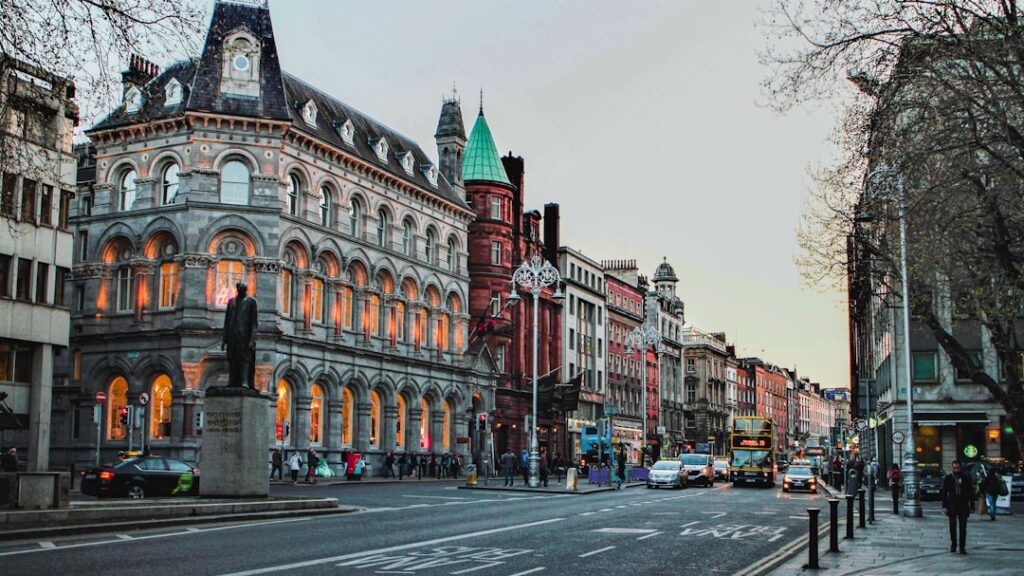
Start your walk in Smithfield, the square that marks the transition between the tourist centre and Stoneybatter. Recommended starting point: Smithfield Square, North King Street, Dublin 7. You can reach it on the Luas (Red Line) at Smithfield station or walk from Temple Bar in roughly 20 minutes. Smithfield Square is ringed with eateries and galleries, making it a useful landmark before you slip into Stoneybatter’s quieter lanes.
From Smithfield, head west along King Street North, then turn right onto Queen Street to enter the south-east edge of Stoneybatter. A few minutes in you’ll find L. Mulligan Grocer at 18 Stoneybatter, Dublin 7 — a well-regarded pub-restaurant known for seasonal dishes and a good craft-beer selection. Address: L. Mulligan Grocer, 18 Stoneybatter, Dublin 7. Typical opening hours: Mon–Sat 12:00–22:30, Sun 12:00–21:30 (seasonal variations). Prices: mains around €14–€24, pints €5–€7. Local tip: book ahead for weekend dinners — it’s popular with locals.
From Mulligan, walk on to Blessington Street Basin (Blessington Street, Stoneybatter, Dublin 7). This former Victorian reservoir has been turned into an urban oasis — great for watching ducks, enjoying the planting and spotting early-morning joggers. Free to enter, it’s a lovely spot for a photo break or a quiet moment. Keep going toward Manor Street, where you’ll find a cluster of independent cafés and vintage shops: this is where day-to-day neighbourhood life hums along, with bakeries, tea rooms and small gourmet grocers.
Route advice: aim for an early-morning stroll (08:00–10:00) to watch the neighbourhood wake up, or late afternoon (16:00–19:00) for soft light on the façades and a livelier atmosphere. Allow 2–3 hours for this first stage if you include coffee and photo stops, and don’t be afraid to follow the side streets — that’s often where the artisan shops hide.
2) Cafés, bakeries and small spots to taste: where to stop and what to order
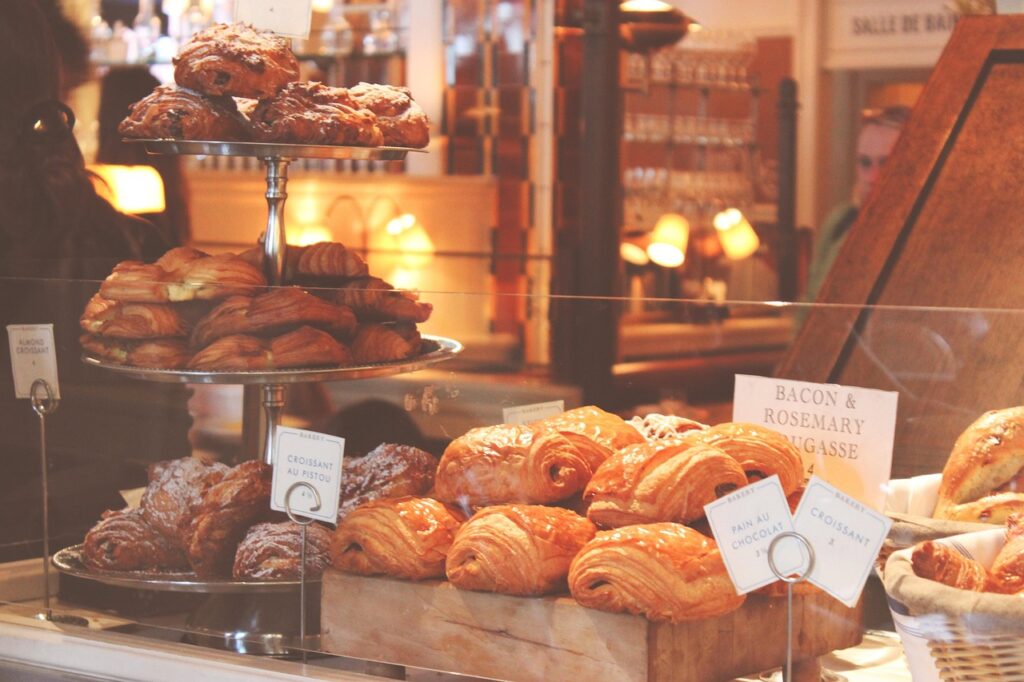
Stoneybatter is full of small food spots where quality beats size. For breakfast or a coffee break, drop into one of the neighbourhood’s independent cafés. Example: Bow Street Bakery (approximate location: Bow Street / Stoneybatter area, Dublin 7) — a local bakery famed for its sourdough and pastries. Indicative prices: filter coffee €2.50–€3.50, slice of sourdough €1.50–€2.50, pastry €2.50–€4.00. Typical hours: 08:00–16:00 on weekdays, 08:00–15:00 at weekends.
For a heartier brunch or lunch, The Fumbally Kitchen (with locations nearby in Dublin 8/7 depending on the venue) is often recommended by locals for its seasonal cooking. Check the exact address on arrival; alternatively, hunt out similar collective cafés on Manor Street and Constitution Hill. Prices: brunch €10–€18. Hours: often 09:00–15:00 for brunch.
If you’re after a cosy, typically Irish afternoon treat, find a pub-café serving homemade scones and a selection of teas — prices are modest (€3–€6 for a drink and a pastry). Local tip: order a flat white in cafés — it’s a favourite with Dubliners and usually less acidic than a straight espresso.
For a market-style, artisanal experience, look for stalls and small grocers selling Irish cheese, craft bread and homemade preserves. These shops often display clear prices: cheeses €6–€12/kg, whole loaves €3.50–€6. Bring some change to sample local goods to take with you on the walk.
3) Pubs, live music and nightlife: Stoneybatter after dark
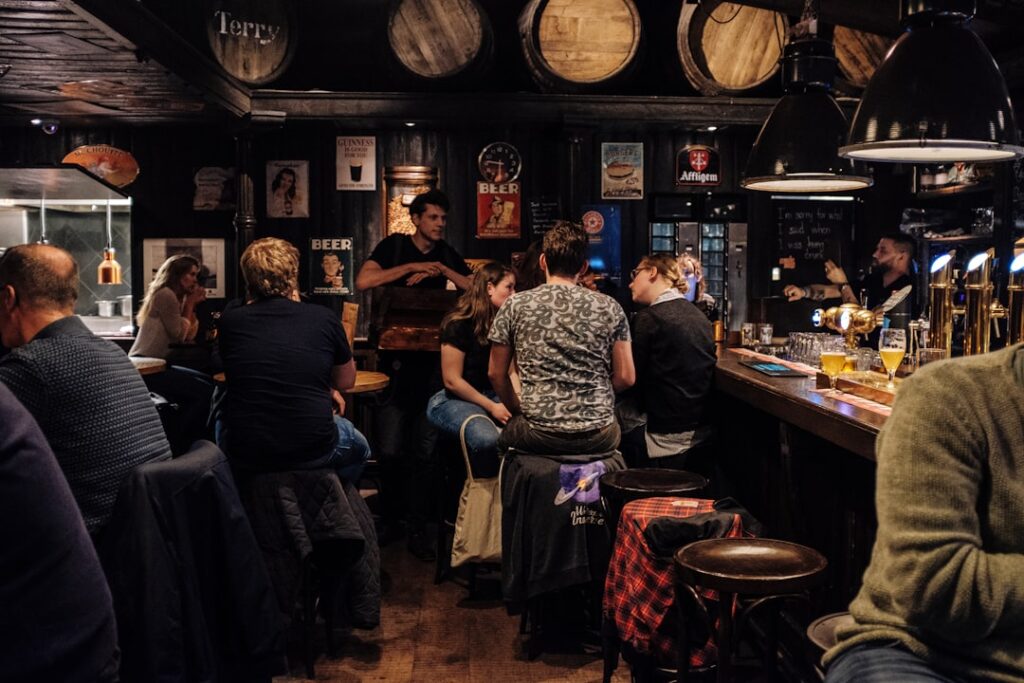
Stoneybatter’s nightlife is quieter than the city centre but rich in authenticity. Local pubs remain meeting places, with traditional music nights (trad) some evenings and spontaneous sessions at other times. A must-visit: The Cobblestone, 77 King Street North, Smithfield, Dublin 7 — sitting on the border of Stoneybatter and Smithfield, this pub is renowned for its trad sessions. Address: The Cobblestone, 77 King St N, Smithfield, Dublin 7. Typical hours: open daily 15:00–01:00; music sessions on weeknights often from around 20:00–23:30. Entry: usually free; buying a drink is appreciated. Pints: €5–€6.
Other quieter neighborhood pubs sometimes host jazz or contemporary folk — venues change their programming often, so check local noticeboards and the venues’ social pages for that night’s line-up. Prices for craft beers or cocktails generally sit in a reasonable range: €6–€10 for a cocktail, €4–€7 for a draft beer.
Evening tips: arrive early if you want a table for dinner, and be prepared to share space with locals — the friendly atmosphere is part of the appeal. When listening to a trad session, show respect for the musicians: avoid intrusive photography and keep chatter to a minimum during tunes. Note that some venues prefer cards or cash only; carry a payment card and a few coins just in case.
4) Green spaces, markets and community initiatives to discover
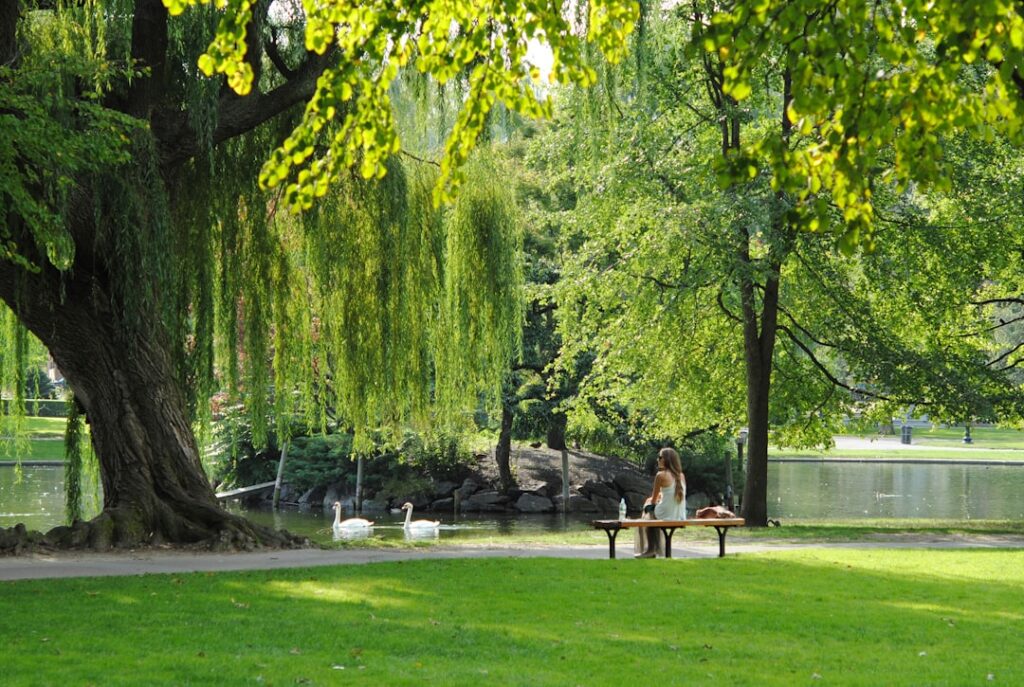
Stoneybatter stands out for its greening projects and small neighbourhood markets. The highlight is Blessington Street Basin, on Blessington Street, Stoneybatter, Dublin 7. This former reservoir turned public basin offers a botanical pause in the middle of the city. Hours: public access is unrestricted, open daily (lighting and some services vary by season). Entry: free. Best times: sunny mornings to watch wildlife, or late afternoons for soft light.
Nearby, keep an eye out for the Stoneybatter Community Garden (locations vary — check local council noticeboards for the exact spot on the day). These urban gardens are often run by volunteers and host occasional workshops (planting, composting). Participation is usually free or by voluntary donation. It’s a great way to chat with locals and learn more about community life.
Neighbourhood markets (for example pop-ups on Smithfield Square or mobile food markets on nearby streets) sell farm produce, handmade goods and street food. Prices: street-food portions €5–€12, artisanal items €3–€20 depending on the product. Hours: typically weekend mornings (09:00–14:00). Tip: look for local producers — many accept card payments.
Finally, watch out for community cultural events, pop-up exhibitions and street performances. These initiatives are often posted on local noticeboards or shared on social media by Stoneybatter community groups.
5) Independent shops, galleries and vintage finds
If you enjoy slow shopping and unique finds, Stoneybatter has several independent shops: second-hand clothes, antique stores, designer workshops and small galleries. Main and side streets are full of retro shopfronts and hand-painted signs. To explore, stroll down Manor Street and Constitution Hill to discover record shops, vintage furniture stores and local art galleries.
Indicative prices: second-hand vinyl €6–€25; vintage homewares €10–€80; artisan jewellery €20–€150. Hours: most small shops open around 10:00 and close around 17:30 on weekdays; some close earlier on Sundays. Tip: if you find a piece you love, don’t be shy about a polite bargain — shopkeepers often enjoy a conversation and may share the object’s story or offer a small discount.
For contemporary art lovers, seek out small galleries and studios showcasing the local scene. These spaces often offer free exhibitions and the chance to buy original works at prices usually lower than larger city galleries.

Conclusion — Practical tips and final notes for your walk
Stoneybatter deserves time to be wandered without a strict plan. The neighbourhood in Dublin 7 offers a human-scale city experience: a blend of industrial heritage, community projects and culinary talent. To get the most out of your visit, plan for the morning if you like calm, bright streets, or late afternoon if you want to catch pub music sessions. Wear comfortable shoes — cobbles and pavements can be uneven, and walking is the best way to feel the area’s character.
Practical highlights to remember: Smithfield Square (North King Street, Dublin 7) is a great starting point. Blessington Street Basin (Blessington Street, Dublin 7) is free and open daily. For a meal, L. Mulligan Grocer (18 Stoneybatter, Dublin 7) serves seasonal dishes — mains €14–€24, pints €5–€7, with opening hours that often include lunch and dinner. For trad music, The Cobblestone (77 King St N, Smithfield, Dublin 7) is a classic; sessions are usually in the evening and free to attend. Local markets mainly run at weekends, and independent shops typically open from around 10:00.
A few extra local tips: carry a waterproof jacket — Dublin weather can change quickly; ask shop staff for their favourite dishes or drinks — they love recommending local gems; bring a small bag for food purchases or vintage finds; pay attention to opening hours, as some places close between lunch and dinner. And most importantly, take the time to talk to people — Stoneybatter residents are often proud of their area and happy to share anecdotes, tips or the story behind a building.
In short, Stoneybatter is a relaxed, discovery-filled walk — a microcosm of modern Dublin where tradition and creativity meet. Whether you come for food, music, independent shopping or just a quiet stroll off the beaten track, the neighbourhood will reward you with authentic, memorable moments. Enjoy the walk, and let the little surprises around Stoneybatter’s corners brighten your visit.